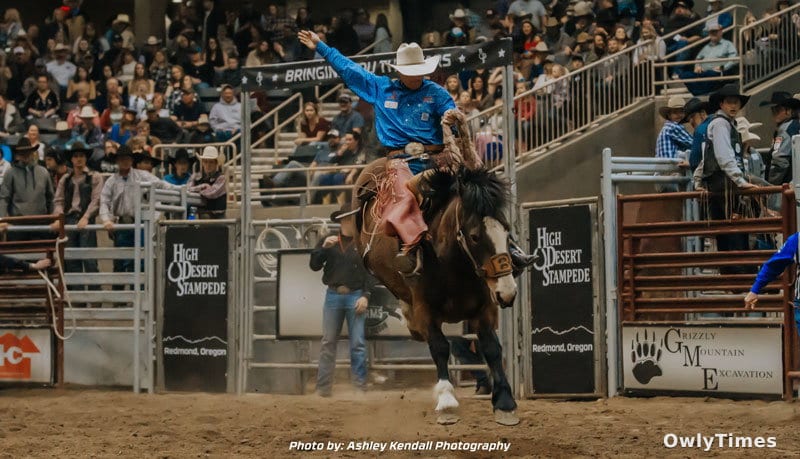

The scent of dust and leather hangs thick in the air, a familiar perfume for anyone who’s spent a summer evening at the Deschutes County Fair & Expo Center. But this isn’t just about the rodeo; it’s about a community clinging to a tradition in a rapidly changing Central Oregon. The High Desert Stampede isn’t simply returning for another year – it’s recalibrating, attempting to hold its place as a cultural anchor in a region grappling with growth, affordability, and a shifting identity. While much of the national conversation centers on the decline of rural America, events like the Stampede represent a determined effort to not just survive, but to thrive on its own terms.
Beyond the Bucking Chutes: A Regional Identity on Display
The High Desert Stampede, gearing up to welcome world-champion rodeo competitors and crowds from across the region, is more than just a sporting event. It’s a carefully curated showcase of what Central Oregon believes itself to be. Organizers are promising a full lineup of classic rodeo events – bull riding, barrel racing, the works – alongside family-friendly activities and local vendors. But consider the context: Deschutes County’s population has grown by nearly 30% in the last decade, fueled by an influx of residents seeking a different pace of life, often bringing with them different expectations and priorities. The Stampede, with its roots in ranching and agricultural heritage, is consciously presenting a counter-narrative to the increasingly cosmopolitan vibe taking hold in Bend and other parts of the High Desert.
This piece references the ktvz.com report.
This isn’t to say the two are mutually exclusive, but the Stampede’s enduring appeal speaks to a desire to preserve a sense of place. It’s a deliberate performance of authenticity, a reminder of the region’s history even as it looks toward the future. The event consistently draws sizable crowds – attendance figures in 2023 exceeded 25,000 across the four-day event, a number organizers are hoping to match or surpass this year – demonstrating a continued appetite for these traditions. But maintaining those numbers requires constant adaptation.
The Economics of Tradition: Local Vendors and Community Buy-In
The emphasis on local vendors isn’t simply a charming aesthetic choice; it’s a crucial economic lifeline for small businesses in Redmond and surrounding communities. While larger events often prioritize national sponsors and corporate partnerships, the Stampede’s commitment to showcasing local artisans, food producers, and craftspeople represents a conscious effort to keep revenue circulating within the region. This is particularly important in a state like Oregon, where small businesses account for over 99% of all businesses and employ roughly half of the state’s workforce, according to the Small Business Administration.
The Stampede’s economic impact extends beyond vendor sales. The influx of visitors boosts local hotels, restaurants, and gas stations, providing a significant, albeit temporary, injection of capital into the Redmond economy. But the long-term sustainability of this model depends on fostering a sense of community ownership. Organizers aren’t just selling tickets; they’re selling an experience, a connection to a shared heritage, and a stake in the region’s future.
Rodeo’s Evolving Audience: Balancing Tradition with Modern Sensibilities
Rodeo, as a sport, faces ongoing scrutiny regarding animal welfare and safety. The High Desert Stampede isn’t immune to these concerns. While organizers emphasize their commitment to responsible animal care and adherence to industry standards, the conversation surrounding rodeo’s ethics is becoming increasingly prominent. This presents a challenge: how to maintain the authenticity of the sport while addressing the concerns of a more ethically conscious audience.
The Stampede’s response appears to be a multi-pronged approach. Increased transparency regarding animal care practices, educational initiatives for attendees, and a focus on the skill and athleticism of the competitors are all strategies aimed at mitigating criticism. But the underlying tension remains: can a sport rooted in tradition successfully navigate the evolving values of a modern society? The Stampede’s ability to attract both longtime attendees and first-time visitors suggests a willingness to engage with these questions, but the long-term implications are still unfolding. Claire Elmer’s report on KTVZ News at 4:00 p.m. will undoubtedly offer further insight into how organizers are addressing these challenges.
What This Moment Signals for Central Oregon’s Future
The High Desert Stampede’s continued success isn’t just a win for rodeo fans; it’s a barometer of Central Oregon’s cultural health. As the region continues to grow and evolve, events like this will play an increasingly important role in defining its identity. The question isn’t whether the Stampede can survive, but whether it can adapt and remain relevant in a landscape that is constantly shifting. Will it be able to successfully balance its commitment to tradition with the demands of a changing audience? And, crucially, will it be able to leverage its economic impact to support the local businesses and communities that are the heart and soul of the High Desert? The answers to these questions will not only shape the future of the Stampede, but also the future of Central Oregon itself.