
Is the spectacle of a state funeral merely a final farewell, or is it a high-stakes software patch for a nation’s crumbling operating system? As Tehran prepares for a six-day mourning period for the late Supreme Leader Ali Khamenei, the regime is attempting to reboot its public narrative through sheer, overwhelming scale. The real story here isn't the mourning itself—it’s the desperate attempt to project a "business as usual" continuity in a country whose leadership has been decapitated by war.
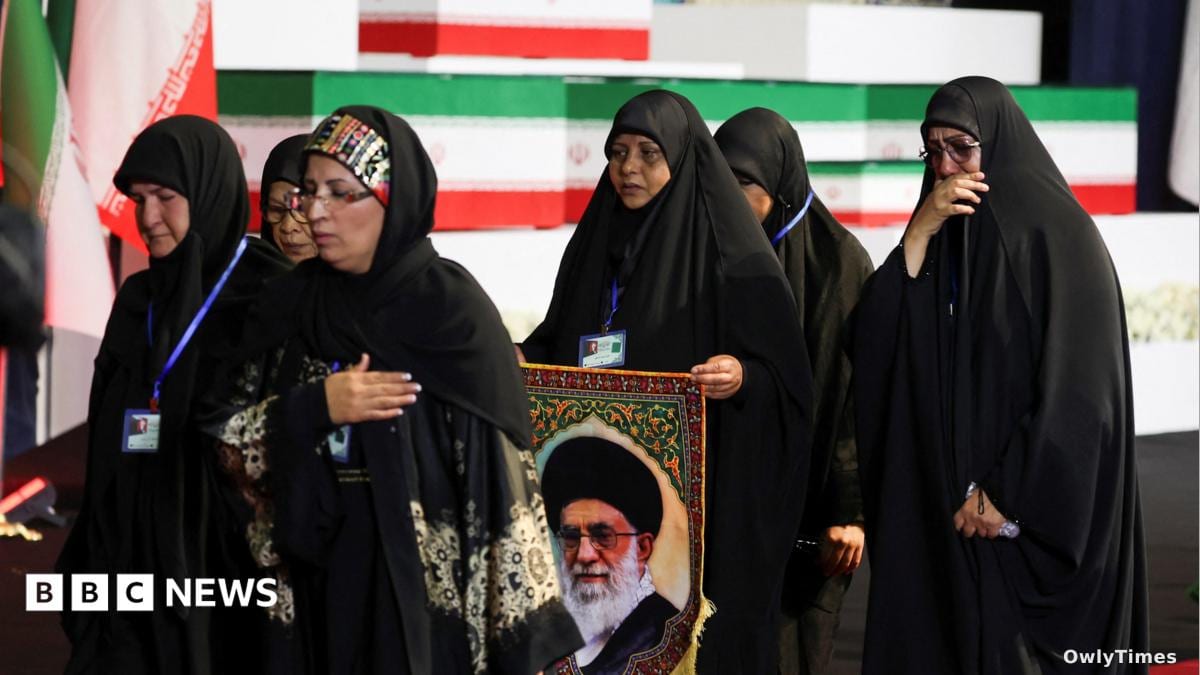
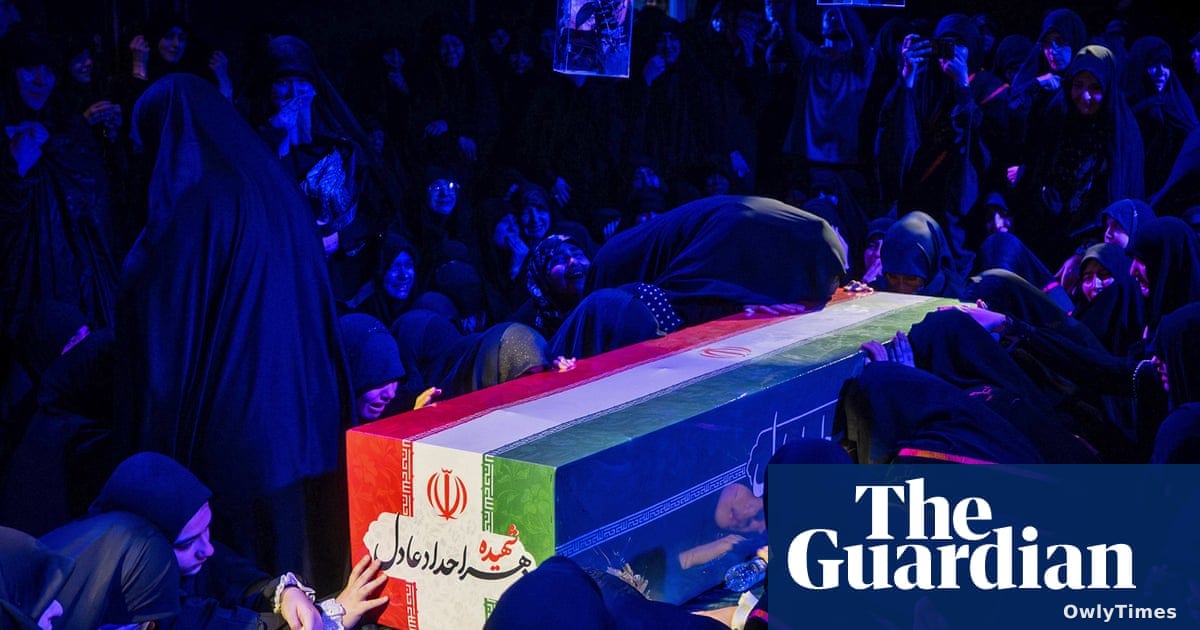
The logistics are staggering. According to The Guardian, authorities have installed giant statues of clenched fists in Revolution Square and established sprawling pilgrim hostels to accommodate the throngs. While Al Jazeera reports that upwards of 10 million people are expected to attend, The Guardian offers an even higher estimate, suggesting as many as 30 million mourners could participate. This gap in projected turnout highlights the regime's reliance on "social cohesion" as a metric of survival.
The political vulnerability behind this display is palpable. The funeral follows the death of Khamenei, who was killed alongside family members in a US-Israeli strike on February 28, according to NPR and Euronews. The human cost of that strike is physically present at the Imam Khomeini Grand Mosalla mosque, where Khamenei’s casket is displayed beside those of his daughter, son-in-law, and 14-month-old granddaughter. For the average Iranian citizen, the funeral isn't just a ritual; it’s a forced confrontation with the reality that the country’s central authority was effectively "hacked" in the opening salvos of the war.
The "system" is also showing signs of hardware failure. While the regime projects strength, the new Supreme Leader, Mojtaba Khamenei, remains in hiding after being wounded in the same strike that killed his father, as reported by The Guardian and NPR. The absence of the successor—the person intended to carry the "code" of the Islamic Revolution forward—creates a vacuum that military leaders like Gen. Ahmad Vahidi are scrambling to fill. Vahidi’s public reappearance on Thursday, his first since February 8, serves as a defensive firewall, signaling that the IRGC remains operational even as the civilian leadership under President Masoud Pezeshkian navigates a delicate diplomatic landscape.
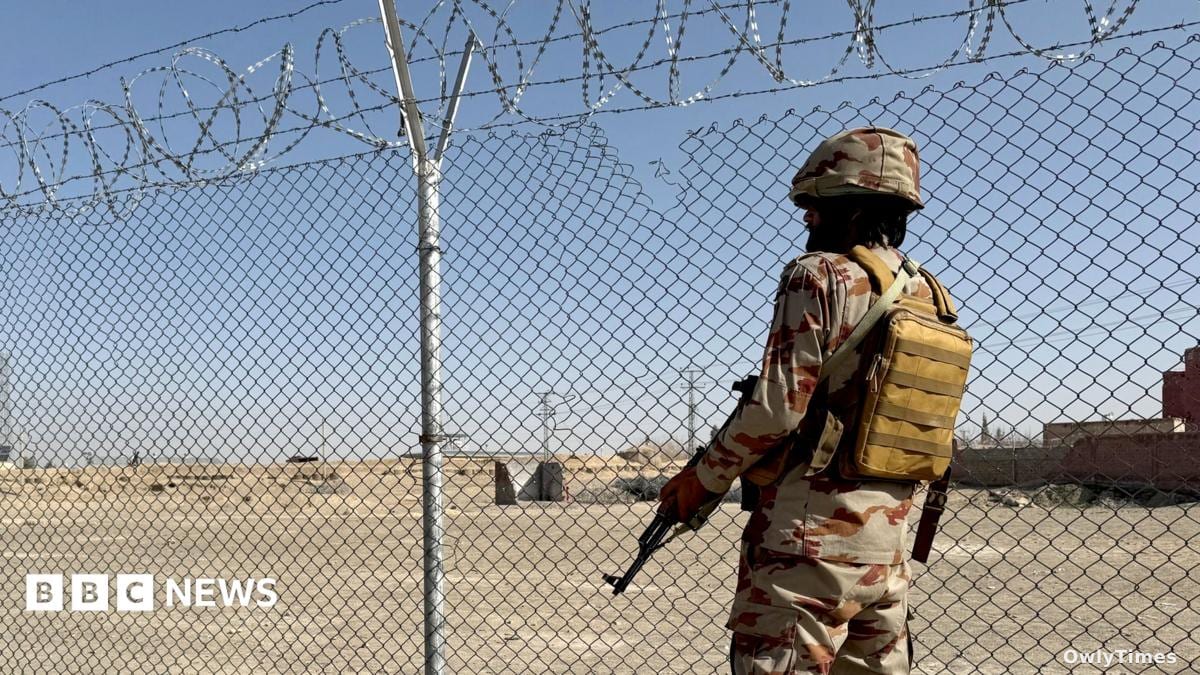
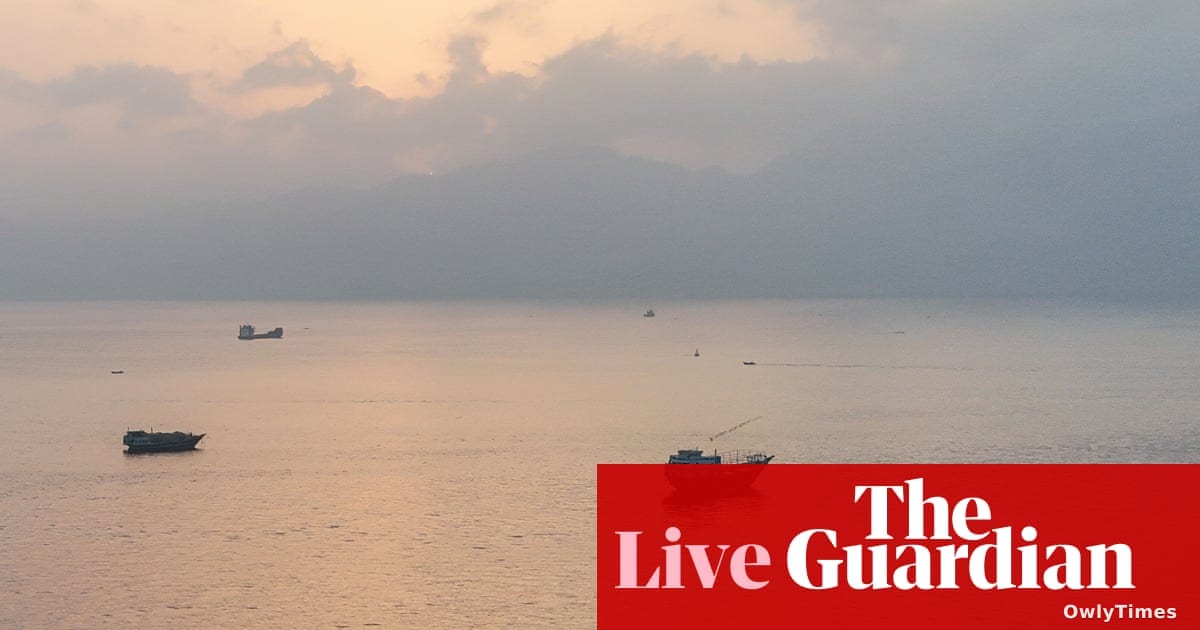
The volatility of this transition is underscored by the fragility of the current ceasefire. Euronews reports that Iranian Foreign Minister Abbas Araghchi confirmed Washington believed Israel targeted Iran’s top negotiators to derail talks held in Pakistan. This context transforms the funeral from a religious observance into a strategic maneuver; the regime is using the event to solidify its leverage in ongoing negotiations over the Strait of Hormuz.
For the average user of the Iranian political landscape—the ordinary citizen facing economic instability and the threat of renewed conflict—this week is a test of whether the state can maintain its signal in the face of persistent noise. The government is leaning on the symbolism of the "Ya Hussein" flag, brought from Karbala, to frame the death of their leader as a sacred turning point rather than a military defeat.
As the funeral procession moves toward its conclusion, watch the negotiations in Islamabad. The current 60-day extended ceasefire, signed on June 17, remains the most critical trigger; the ability of the Iranian state to project strength at this funeral will directly determine if they have enough political capital to reach a final agreement before that window slams shut.