
$283 million in drones and ballistic missiles launched at Kuwait over a single weekend – that figure underscores a stark reality reshaping global security: modern conflict is increasingly defined by the volume and sophistication of aerial attacks, and the ability to defend against them. The recent escalation between the US, Israel, and Iran isn’t simply a regional flare-up; it’s a live demonstration of how crucial robust air defense systems have become, a lesson already painfully learned in Ukraine and now forcing a reassessment of defense priorities worldwide. Follow the money, and you’ll see a surge in investment flowing into this sector, driven not by hypothetical threats, but by concrete events unfolding in real-time.
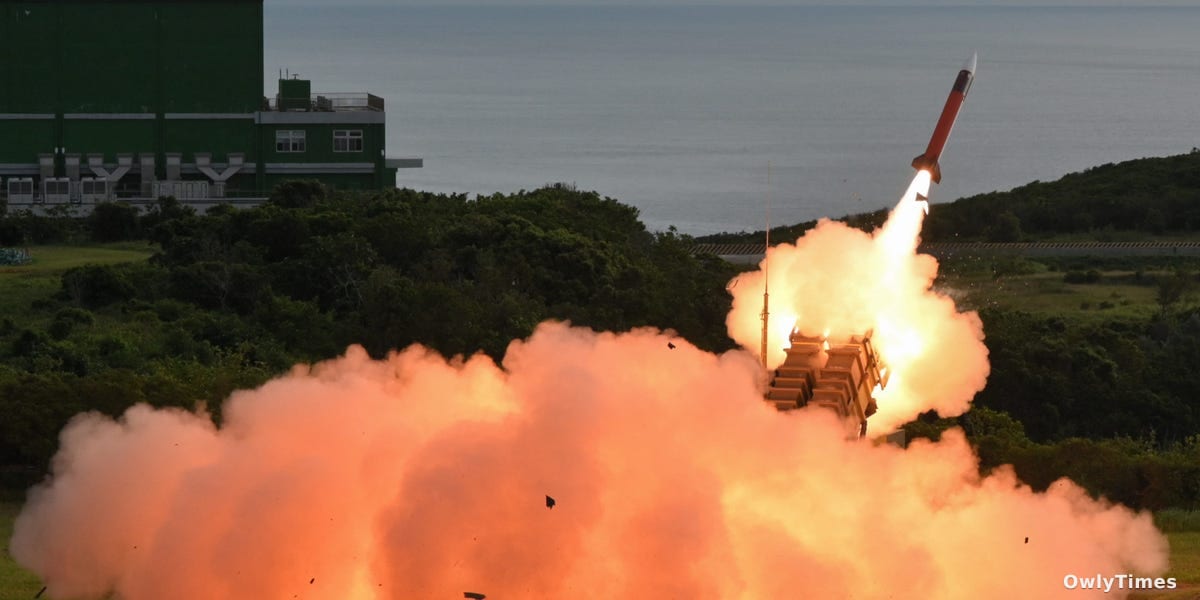
The conflict, triggered by the killing of Iran’s Supreme Leader, immediately prioritized the neutralization of air defense capabilities. US Central Command’s stated objective – to “dismantle the Iranian regime’s security apparatus” – explicitly included targeting Iranian air defense systems, missile launch sites, and military airfields. This wasn’t collateral damage; it was the primary objective. Simultaneously, nations like Kuwait, hosting vital US installations like Ali Al Salem Air Base, were bracing for and intercepting massive barrages – 97 ballistic missiles and 283 drones – demonstrating the sheer scale of potential attacks. The success in mitigating damage, with reportedly minimal casualties, hinged directly on the deployment of systems like the MIM-104 Patriot and THAAD batteries, alongside warship-launched interceptors.
This piece references the Business Insider report.
This isn’t a new trend, but the intensity is escalating. The war in Ukraine, where nightly Russian missile and drone attacks are commonplace, served as a brutal wake-up call for the West. A single engagement has, at times, cost Ukraine nearly $100 million in interceptor missiles. This financial strain highlights a critical vulnerability: even possessing air defense systems is insufficient without a sustainable supply of interceptors. The Ukrainian experience is forcing a re-evaluation of stockpiles and production capacity across NATO, a shift previously overshadowed by decades of focusing on counter-terrorism and asymmetric warfare. NATO Secretary General Jens Stoltenberg has pledged a fivefold increase in air defenses, a commitment backed by increased alliance spending, but translating that pledge into tangible capabilities is proving challenging.
The problem isn’t simply a matter of funding. Air defense systems and their interceptor missiles are notoriously expensive and time-consuming to manufacture. Established companies like Raytheon and Lockheed Martin are ramping up production, but demand is outstripping supply. This bottleneck creates a dangerous strategic dilemma. As retired Australian Major General Mick Ryan points out, diverting Patriot interceptors to the Middle East, while necessary in the short term, could “exploit any temporary Ukrainian capability gaps” and potentially embolden Russia to escalate its attacks. The US faces a delicate balancing act: maintaining a strong air defense posture in Europe, the Pacific, and the Middle East simultaneously.
The implications extend beyond immediate conflict zones. President Donald Trump’s proposed “Golden Dome” missile defense system, intended to protect against complex attacks from China and Russia, underscores the growing concern about long-range threats. However, the current strain on production capacity raises serious questions about the feasibility of such ambitious projects. Every carrier group in the Gulf, every squadron stationed in Europe, every missile defense battery protecting allies represents a capability unavailable for deterring Chinese expansion, as Ryan warns. This isn’t merely a military calculation; it’s a geopolitical one.
What this means for your wallet: expect continued upward pressure on defense spending, not just in the US but globally. This translates to increased government debt and potentially higher taxes. More directly, the scarcity of interceptor missiles will likely drive up their cost, impacting not only military budgets but also the price of advanced defense technologies. The question now isn’t if another large-scale aerial conflict will occur, but when – and whether the West can build and deploy enough defenses to effectively respond before the next barrage arrives. Investors should watch for companies positioned to benefit from increased defense spending, particularly those specializing in missile defense technologies and interceptor production, but also be mindful of the potential for supply chain disruptions and escalating costs.





