
The Calculated Risk of Striking at the Apex
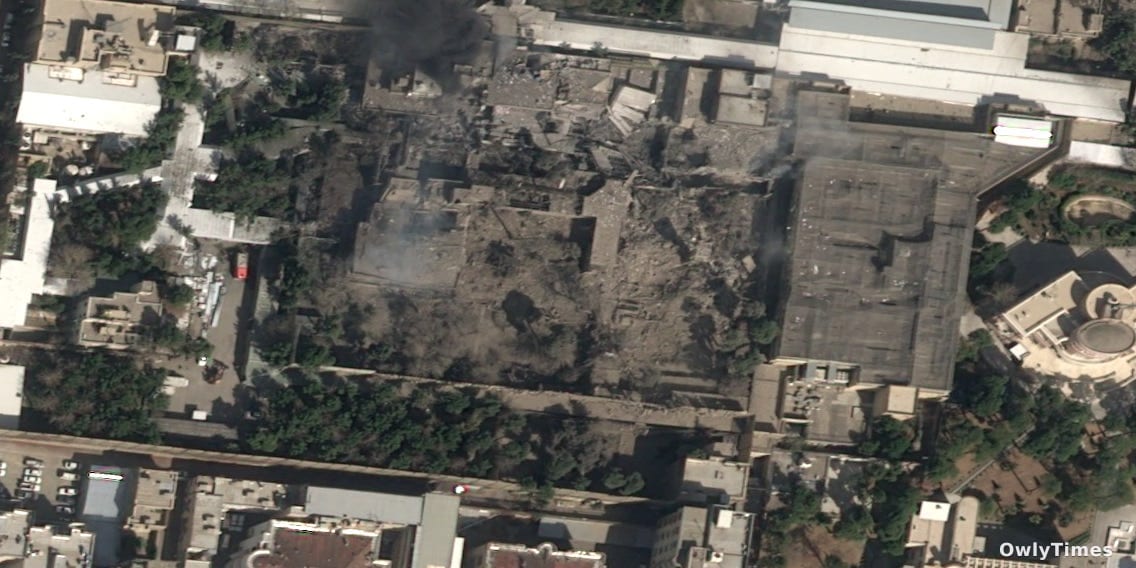
The deliberate targeting of Ayatollah Ali Khamenei’s primary residence, as evidenced by recent satellite imagery, wasn’t a spontaneous act of retaliation. It represents a high-stakes gamble predicated on a strategic calculation: to destabilize the Iranian regime by directly challenging the authority of its supreme leader. The scale of the damage to the Leadership House, and the Imam Khomeini Hussainia, suggests a level of intent beyond mere symbolic messaging; it signals a desire to cripple the very center of Iranian power. The question isn’t simply if this was a justifiable response to Iranian actions, but why this particular target was chosen, and what the architects of this strike truly hope to achieve.
This piece references the Business Insider report.
Who Benefits and Who Loses?
The immediate beneficiaries of this action are clear: President Donald Trump and the Israeli Defense Forces, both of whom have publicly asserted their involvement. Trump’s statement, urging Iranians to “take over your government,” underscores a desire to trigger internal upheaval and potentially pave the way for a new, more pliable leadership. Israel, facing escalating tensions and proxy conflicts with Iran, likely views the strike as a means to significantly degrade Iran’s ability to project power in the region. However, the potential losers are far more numerous and include the Iranian people, who now face a period of profound uncertainty and potential instability. The broader international community also loses, as the escalation of hostilities dramatically increases the risk of a wider regional conflict, potentially drawing in other global powers. The reported death of Khamenei, while confirmed by all parties, further complicates the situation, removing a figure who, despite his hardline views, provided a degree of stability within the Iranian system.
Echoes of the Shah’s Fall
This moment bears unsettling parallels to the events leading up to the Iranian Revolution in 1979. Then, as now, a powerful external force – in that case, the United States’ support for the Shah – contributed to the erosion of public trust and ultimately fueled widespread unrest. The current strikes, and Trump’s subsequent call for regime change, echo the rhetoric and actions that preceded the collapse of the Pahlavi dynasty. However, there’s a crucial difference: the 1979 revolution was driven by a broad coalition of forces, while the current situation risks being perceived as a purely external imposition, potentially galvanizing support for the existing regime under a new leader. The historical precedent of the Soviet invasion of Afghanistan, which backfired spectacularly by strengthening the Mujahideen, serves as a cautionary tale.
Why Memphis Manufacturers Are Watching Closely
The economic ramifications of this escalation are already being felt. Memphis, a major logistics hub for global trade, is particularly vulnerable. The city’s manufacturers, heavily reliant on international supply chains, face immediate disruptions due to the closure of shipping lanes and increased insurance costs. Prior to this weekend’s strikes, Memphis saw a 3% increase in export volume to the Middle East in the last quarter of 2025, a trend now likely to be reversed. The potential for retaliatory strikes against US assets, including critical infrastructure like ports and pipelines, adds another layer of uncertainty for businesses already grappling with inflation and labor shortages. The disruption to oil markets, with prices spiking 15% in early trading Monday, will further exacerbate these economic pressures.
The Succession Question: The Next Political Chess Move
The immediate aftermath will focus on the succession process within Iran. While the constitution outlines a clear line of succession, the power vacuum created by Khamenei’s death could trigger a fierce struggle between competing factions – the hardliners, the pragmatists, and the Revolutionary Guard. The political chess move to watch is the identity of the individual chosen to replace Khamenei. If a hardliner, such as Mohsen Rezai, emerges as the new supreme leader, it will likely signal a further escalation of tensions and a rejection of any diplomatic overtures. Conversely, the selection of a more moderate figure could offer a window for de-escalation, albeit a narrow one. The speed and manner in which this succession is managed will be the defining factor in determining the future trajectory of the conflict.