
The Calculus of Regime Change: A Joint Strike and Its Regional Fallout
The coordinated U.S.-Israeli attack on Iran this past Saturday wasn’t a spontaneous escalation, but a calculated gamble predicated on a belief that the existing constraints on Iranian power – sanctions, covert operations, regional proxy conflicts – had reached a point of diminishing returns. The stated objective, regime change, reveals a strategic shift from containment to direct intervention, a move signaling a profound reassessment of the threat posed by Iran and a willingness to accept substantial risk to neutralize it. This isn’t simply about Iran’s nuclear program; it’s about dismantling a regional power structure perceived as fundamentally destabilizing, and the timing suggests a belief that geopolitical conditions – specifically, perceived weakness in the global response to Russian aggression and a fractured European consensus – offered a window of opportunity. The announcement by President Trump via social media regarding the death of Supreme Leader Ali Khamenei wasn’t a post-hoc boast, but a deliberate attempt to project decisive action and shatter Iranian morale from the outset.
Reporting from PBS informs this analysis.
The Immediate Costs: Civilian Casualties and Escalation Dynamics
The immediate consequence of the strikes is a dramatic escalation of regional tensions, and a humanitarian crisis unfolding in Iran. President Masoud Pezeshkian’s condemnation of the attacks as “unprovoked and illegal” is predictable, but the reported strike on a girls’ school resulting in over 100 deaths introduces a particularly potent element of outrage and complicates the narrative. This isn’t simply a military operation; it’s a direct assault on Iranian society, and the targeting of civilian infrastructure – if confirmed – carries significant legal and moral implications. Iran’s retaliatory wave, extending beyond American bases to include civilian infrastructure, demonstrates a willingness to escalate beyond established norms, mirroring tactics previously employed by adversaries like Russia in Ukraine. The scale of this retaliation, and its deliberate targeting of civilian assets, suggests a calculated effort to raise the costs of continued intervention for both the U.S. and Israel.
Historical Echoes: From Iraq to Libya and Beyond
The pursuit of regime change through direct military action carries a heavy historical baggage. The 2003 invasion of Iraq, predicated on flawed intelligence and a miscalculation of post-invasion dynamics, serves as a stark warning. While the current situation differs – Iran possesses a more robust military and a more deeply entrenched political system than pre-invasion Iraq – the underlying risk of protracted conflict and unintended consequences remains. The intervention in Libya in 2011, ostensibly to protect civilians, devolved into a chaotic civil war and a failed state, demonstrating the limitations of military intervention even with a narrower mandate. What distinguishes this situation is the joint nature of the attack, with Israel taking a leading role. This suggests a convergence of strategic interests, but also introduces a layer of complexity, as Israel’s objectives in Iran may not perfectly align with those of the United States. The dynamic recalls the covert support provided by the United States to the Mujahideen during the Soviet-Afghan War, a policy that ultimately contributed to the rise of extremist groups.
Who Benefits and Who Loses in a New Middle East?
The immediate beneficiaries of a successful regime change in Iran – as envisioned by Washington and Jerusalem – would be regional allies like Saudi Arabia and the United Arab Emirates, who view Iran as a primary source of instability. A weakened Iran would also potentially open up new economic opportunities for Western companies, particularly in the energy sector. However, the potential losers are far more numerous. A destabilized Iran could trigger a wider regional conflict, drawing in actors like Turkey and potentially even China. The collapse of the Iranian state could also create a power vacuum, exploited by extremist groups like ISIS. Within Iran itself, the consequences would be catastrophic, with the potential for widespread violence and a humanitarian disaster. Even if the regime change is successful, the long-term costs of occupation and reconstruction could be substantial, both financially and in terms of American credibility. The analysis from Alan Eyre of the Middle East Institute, Joel D. Rayburn, and Holly Dagres of the Washington Institute for Near East Studies, as reported by PBS, likely underscores these complex and often contradictory outcomes.
The Next Chess Move: Tehran’s Response and the Role of Regional Proxies
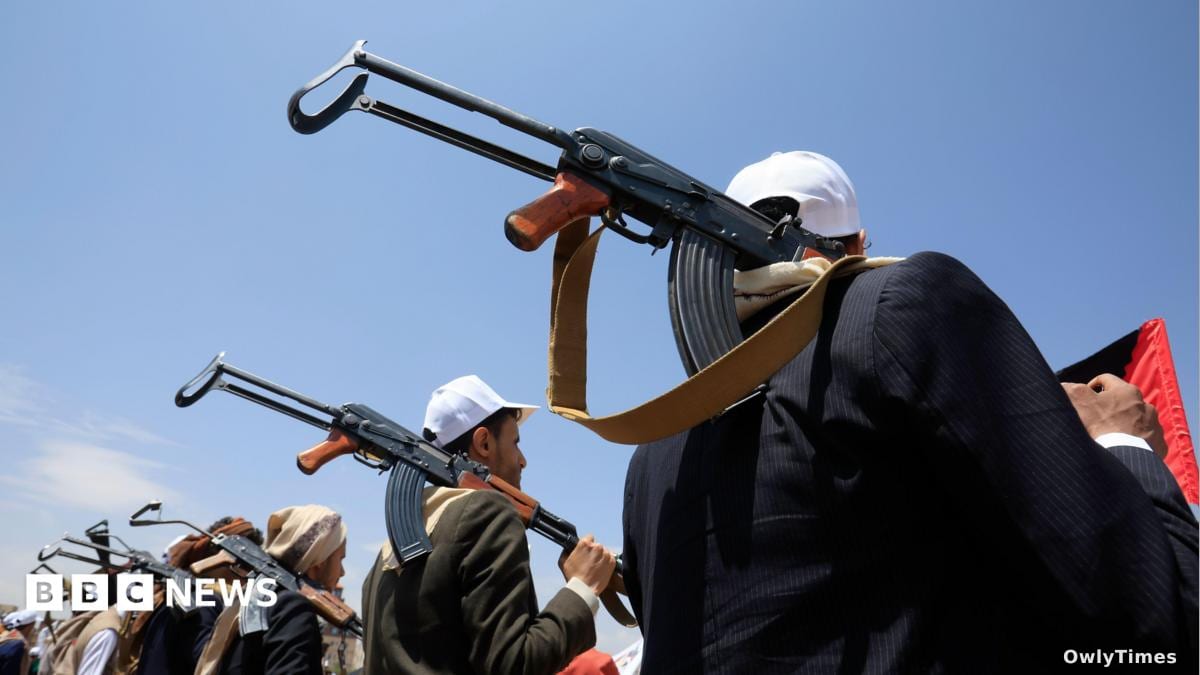
The critical question now is not whether Iran will retaliate – it already has – but how it will escalate. The most immediate concern is the potential for attacks on American and Israeli assets in the region, including military bases, oil infrastructure, and civilian targets. However, Tehran is also likely to activate its network of regional proxies – Hezbollah in Lebanon, Houthi rebels in Yemen, and Shia militias in Iraq and Syria – to launch attacks against American and Israeli interests. Reza Sayah’s reporting from Tehran will be crucial in understanding the internal dynamics and the mood on the ground. The political chess move to watch is whether Iran attempts to close the Strait of Hormuz, a vital shipping lane for global oil supplies. Such a move would represent a significant escalation and could trigger a direct military confrontation with the United States. The coming weeks will determine whether this calculated gamble by Washington and Jerusalem will lead to a more stable Middle East, or a descent into a wider and more dangerous conflict.