
Is anyone actually surprised anymore? We’re fixated on body counts and geopolitical maneuvering in the US-Israeli war on Iran, but the real story here isn’t the escalating conflict itself – it’s the sheer, brutal scale of displacement it’s already unleashed. While headlines scream about potential escalation and nuclear facilities, over 3.2 million Iranians – more than 3% of the entire population – have been internally displaced since February 28th. That’s not a consequence of war; it is the war, experienced by the people actually living through it. And it’s a pattern repeating itself across the region, with Lebanon facing a displacement crisis of its own.
The Crushing Weight on Iran’s Infrastructure
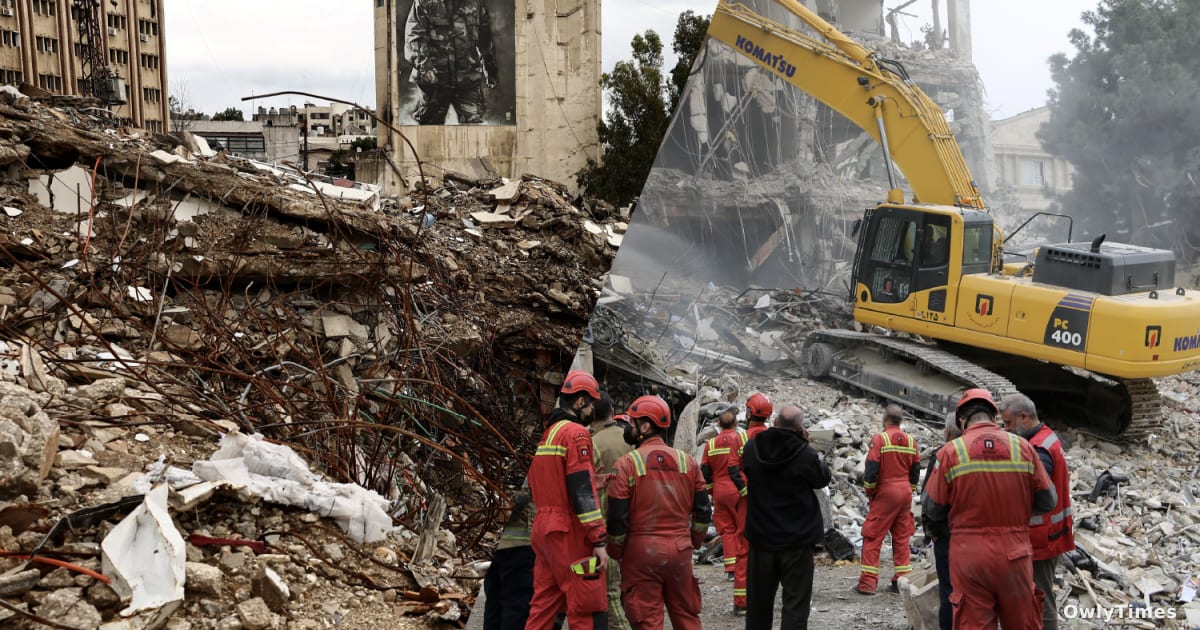
The official death toll in Iran currently stands at over 1,500, a figure authorities admit is likely conservative. But beyond the immediate casualties, the systematic dismantling of civilian infrastructure is the engine driving this mass exodus. We’re not talking about isolated incidents; over 85,176 civilian sites have been damaged, including 282 healthcare facilities, 600 schools, and a staggering 64,583 homes. In Tehran alone, nearly 14,000 residential units are damaged, forcing at least 6,000 people into municipal hotels – a temporary fix for a problem that’s rapidly spiraling out of control. This isn’t about strategic military targets; it’s about breaking the capacity of a nation to function, to house its people, to be a nation.
Original reporting: Al Jazeera.
Lebanon’s Borders Become Lines of Flight
The situation in Lebanon is equally grim, though unfolding with a different tempo. Israel’s expanding forced displacement orders now cover 14% of Lebanese territory – 1,470 square kilometers – impacting over a million people in just two weeks. Nearly one in five Lebanese citizens are now displaced, overwhelming the country’s already strained shelter capacity. The International Organization for Migration reports 1,049,328 registered displaced people, with over 132,000 crammed into collective shelters, leaving countless others sleeping in streets and vehicles. And the exodus isn’t stopping at the border; over 250,000 people have fled Lebanon in the last two weeks, a 40% increase, with a significant portion – over 125,000 – crossing into Syria, many of them children.
Beyond Bridges: The Deliberate Severing of Connection
The deliberate targeting of infrastructure in both countries isn’t simply collateral damage. Israel’s recent attacks on key bridges in southern Lebanon – the Qasmiyeh, Coastal Highway, al-Qantara, Khardali, al-Dalafa, and Zaraiya-Tirseflay bridges – are a clear attempt to isolate the region and create a “buffer zone.” As Lebanese President Joseph Aoun rightly points out, this isn’t about security; it’s about severing geographical connections and solidifying a de facto occupation. These aren’t just transportation routes; they’re lifelines for communities, and their destruction is a calculated move to further displace and control the population. The rhetoric of “buffer zones” always translates to restricted movement, limited access to aid, and a slow, grinding erosion of sovereignty.
The Refugee Crisis No One Is Prepared For
What’s particularly alarming is the limited cross-border movement beyond economic or short-term flows. While Afghanistan, Pakistan, Turkiye, Turkmenistan, and Azerbaijan report stable borders, this stability is largely superficial. It reflects a reluctance to absorb refugees, not a lack of need. Iraq has seen only small-scale returns and a mere 325 Iranian nationals crossing the border. This isn’t a sign of stability; it’s a bottleneck waiting to burst. Aid agencies are bracing for a potential refugee crisis, but the international response remains woefully inadequate. The focus remains on geopolitical calculations and military aid, while the human cost – the millions of displaced, the shattered lives, the crumbling infrastructure – is relegated to a footnote.
Here’s what to watch for: in the next six weeks, the number of Syrian refugees attempting to cross from Lebanon will likely triple. The already overwhelmed Syrian infrastructure, crippled by years of civil war, simply won’t be able to cope. This isn’t a prediction of future conflict; it’s a description of a crisis already unfolding, and one that will redefine the geopolitical landscape of the Middle East long after the headlines fade.