
The Calculus of Escalation: Israel and the US Redraw the Red Lines in Iran
The sheer scale of Israel’s recent airstrikes against Iran – described as the “largest” air operation in its history, involving roughly 200 fighter jets and hundreds of bombs targeting 500 sites – wasn’t about inflicting maximum damage, but about establishing a new threshold. This wasn’t a spontaneous reaction, but a calculated demonstration of capability intended to reshape the strategic landscape, specifically regarding Iran’s nuclear program and regional influence. The involvement of US forces, explicitly framed by President Trump as the beginning of “major combat operations,” transforms this from a localized conflict into a direct confrontation with implications far beyond the Middle East. The question isn’t whether this escalation was inevitable, but why it was chosen now, and what the architects of this operation believe they can achieve.
Drawn from Business Insider.
The official narrative centers on a “preemptive” strike, a justification that rings hollow given the history of tensions and the prior US bombing of Iranian nuclear facilities in June 2025 as part of Operation Midnight Hammer. The targeting of air defense systems – a tactic known as suppression of enemy air defenses, or SEAD – wasn’t simply about neutralizing a threat, but about creating a permissive environment for deeper, more sustained strikes. This suggests a willingness to escalate beyond limited tactical engagements, and a belief that Iran’s response can be contained. Who benefits and who loses from this calculation? Israel gains a temporary advantage in regional power dynamics, potentially delaying Iran’s nuclear ambitions and signaling resolve to its allies. The US, under President Trump, reinforces its commitment to containing Iran, potentially bolstering its standing with regional partners like Saudi Arabia. However, Iran, despite suffering “hundreds of killed and wounded” according to reports, is now undeniably incentivized to accelerate its nuclear program and retaliate, as it already has with missile launches against Israel and US bases.
The immediate aftermath – waves of Iranian missiles met by a robust, if not entirely successful, air defense network involving the US and several Middle Eastern countries – echoes the dynamics of the Yom Kippur War in 1973. In that conflict, a surprise attack by Egypt and Syria aimed to shatter the perception of Israeli military invincibility and force a renegotiation of territorial disputes. Similarly, Israel’s strike against Iran appears designed to demonstrate its willingness to use force to prevent Iran from achieving a perceived unacceptable level of regional power. The key difference is the direct involvement of the US, which in 1973 initially adopted a posture of neutrality before ultimately intervening. This time, the US is openly aligned with Israel, a shift that dramatically raises the stakes. The claim by US Central Command of successfully defending against “hundreds” of Iranian attacks, while reassuring, lacks granular detail. The fact that some projectiles “managed to slip past air defenses” is a critical detail, suggesting vulnerabilities that Iran will undoubtedly exploit in future attacks.
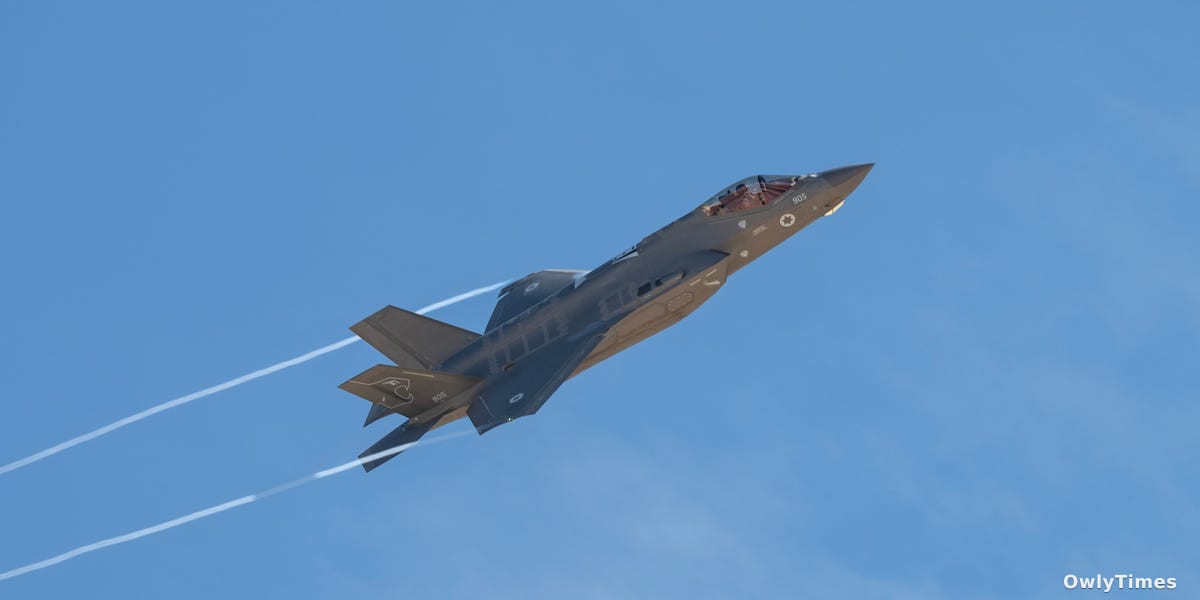
The involvement of advanced aircraft like Israeli F-35 stealth fighters and F-15 jets, alongside US drones, rocket artillery, and cruise missiles, highlights the technological asymmetry in this conflict. However, technology alone doesn’t guarantee victory. Iran’s retaliatory missile and drone attacks, while largely intercepted, demonstrate its capacity to project force and disrupt regional stability. The steady buildup of US military forces in the Middle East – “more than a dozen warships and hundreds of aircraft” – preceding this operation wasn’t simply about deterrence, but about preparing for a sustained campaign. This isn’t a crisis to be resolved with a single round of strikes and counter-strikes; it’s the opening move in a protracted struggle for regional dominance. The reported hundreds of Iranian casualties, while significant, are unlikely to deter further escalation given the regime’s ideological commitment and strategic calculations.
The political chess move to watch next isn’t whether Iran will retaliate again – that’s a certainty – but how it will choose to do so. Will it focus on direct military confrontation with Israel and the US, risking a wider war? Or will it opt for asymmetric warfare, leveraging its network of proxies in Lebanon, Syria, Iraq, and Yemen to launch attacks against US interests and regional allies? The latter option, while less conventional, is arguably more likely, as it allows Iran to inflict costs without triggering a full-scale military response. The question for President Trump and his administration is whether they are prepared to manage a prolonged, multi-faceted conflict in the Middle East, and whether the perceived benefits of confronting Iran outweigh the very real risks of a regional conflagration.