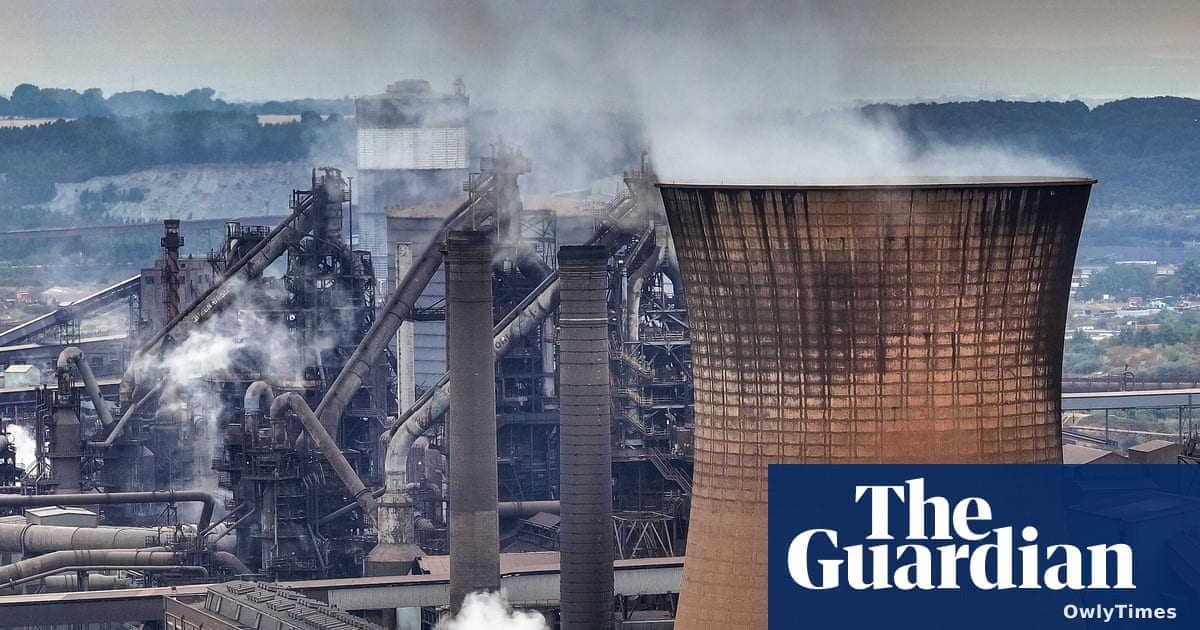

The British government’s formal nationalization of British Steel on July 16, 2026, has ignited a high-stakes legal and diplomatic confrontation, with the firm’s former owner, Jingye Group, now demanding compensation for what it terms a "severe blow" to investor confidence. The move follows the enactment of the Steel Industry (Nationalisation) Act 2026, which granted ministers the authority to transfer the Scunthorpe-based manufacturer into public hands after months of operational uncertainty.
Follow the money: The cost of state intervention
The financial burden of maintaining the site has been substantial, with the National Audit Office reporting that the government was spending approximately £1.3 million per day to keep the plant operational prior to the full takeover. This figure represents a significant escalation from the £700,000 daily loss reported by Jingye in March 2025, when the firm first signaled it could no longer sustain the site. According to the BBC, the government’s move to seize control was prompted by the failure of commercial negotiations to reach an agreement that provided adequate value to the taxpayer.
While the Guardian notes that the government plans to appoint an independent valuer to determine potential compensation, the scale of that payout remains a point of intense contention. Jingye Group has publicly criticized the government’s initial stance, alleging in a WeChat statement that the UK was "only willing to provide almost zero compensation," according to ABC News.
Geopolitical friction and legal exposure
The diplomatic fallout has been immediate. China’s Ministry of Commerce (Mofcom) issued a statement expressing strong dissatisfaction, accusing the UK of disregarding Jingye’s previous investments and threatening to support the company in "safeguarding their rights through legal means." The Guardian reports that Mofcom specifically cited the China-UK bilateral investment treaty, warning that the nationalization could undermine the broader environment for Chinese investment in the UK.
There is, however, a slight discrepancy in the reporting regarding the timing of the transition. While The Guardian highlights the 15-month timeline since the government first intervened to prevent a total closure, the BBC clarifies that the government took operational control in April 2025, but Jingye retained legal ownership of the company until this week’s legislative action.
Industrial strategy vs. fiscal risk
The primary rationale cited by the Department for Business and Trade for the seizure is the preservation of a "vital national capability." The Scunthorpe plant, which employs roughly 2,700 people, remains the UK's last site capable of producing "virgin steel" from raw materials. Business Secretary Peter Kyle defended the move, stating that reliance on foreign supply chains for primary steel production was not a viable long-term strategy for the nation’s defense and construction sectors.
For investors and taxpayers, the immediate trigger to watch is the release of draft compensation regulations, which the government has scheduled for the autumn. This process will determine the extent of the UK’s financial liability to Jingye. Until the independent assessment concludes, the company faces a dual mandate: stabilizing the business as a "low-carbon enterprise" while navigating the threat of international arbitration that could extend the fiscal impact of this nationalization well beyond the daily operating costs currently being absorbed by the Treasury.