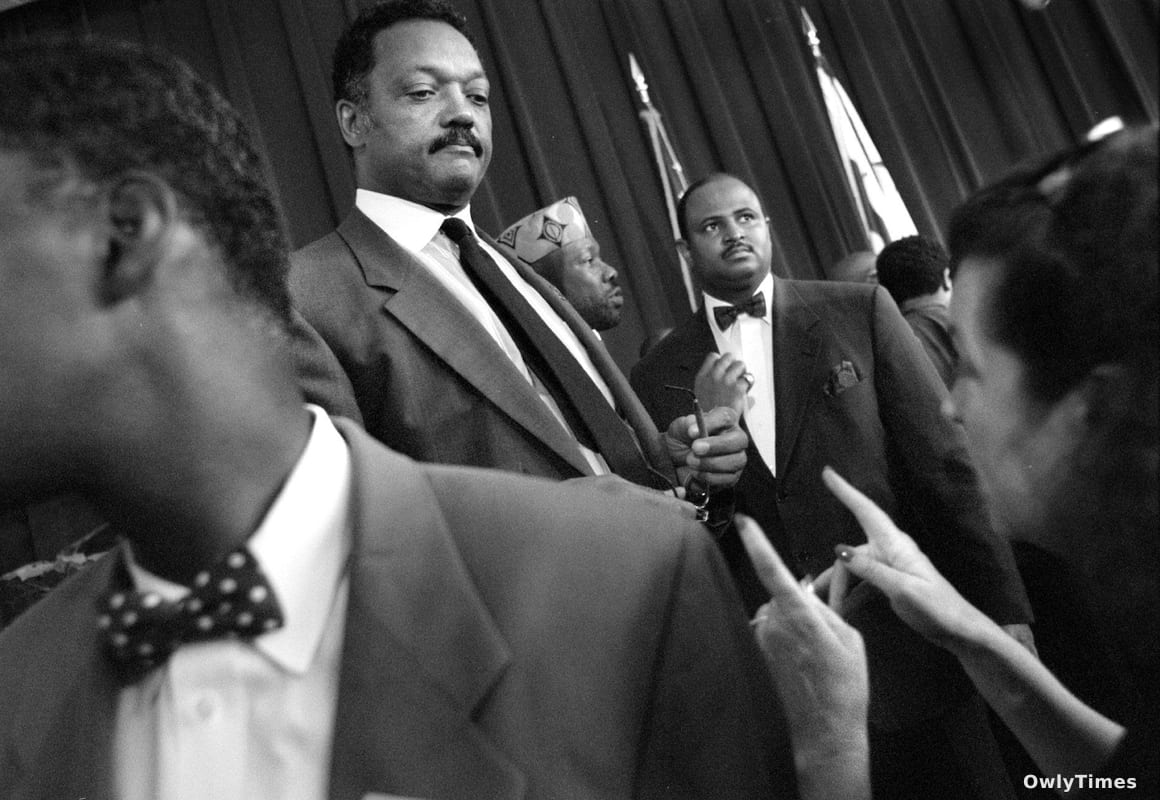

The denial of Jesse Jackson’s ceremonial recognition isn’t simply a procedural rejection; it’s a calculated signal from Speaker Mike Johnson regarding the shifting battle lines of the coming election and the ongoing culture war. The decision to bar Jackson from lying in honor at the Capitol wasn’t about decorum, but about solidifying a base increasingly responsive to narratives of perceived disrespect towards traditional American values – and, crucially, about drawing a stark contrast with perceived threats to election integrity, as framed by Donald Trump. This move isn’t an isolated incident, but a continuation of a strategy to weaponize symbolic gestures for political gain, a tactic with deep roots in American history.
A Calculus of Symbolic Capital
The request to honor Jackson, a towering figure in the Civil Rights Movement, came from a coalition of Democrats, but the political calculation for Johnson wasn’t about appeasing them. It was about not appeasing them. The symbolic capital accrued from honoring Jackson – a man who directly challenged the established order – would have been minimal within Johnson’s conservative base. Conversely, a denial, framed as a defense against what his supporters view as radical ideologies, generates significant positive reinforcement. The timing is critical: as Trump faces multiple legal challenges and continues to assert claims of a rigged election, Johnson is actively aligning himself as a bulwark against perceived attacks on American institutions, even if that means rejecting a widely respected figure like Jackson. The optics are clear: defending the process, even at the cost of appearing insensitive, is prioritized over honoring an individual.
Source material: The Washington Post.
Who Gains and Who Loses in the Aftermath
The immediate losers are, predictably, the NAACP and the broader Democratic party, who are left to articulate the moral implications of the decision. NAACP President Derrick Johnson’s statement – “Mike Johnson will defend a president who wants to unlawfully nationalize elections but won’t authorize a civil rights legend to lie in honor” – is a direct attempt to frame the situation as hypocrisy, highlighting the perceived contradiction between Johnson’s defense of Trump’s election claims and his rejection of a civil rights icon. However, this framing relies on a shared understanding of “unlawful” and “disrespect,” which is precisely what Johnson’s strategy seeks to disrupt. The beneficiaries are Johnson’s core constituents – those who view Jackson’s activism as disruptive and his legacy as a challenge to their worldview. More subtly, the move benefits Trump by reinforcing the narrative of a political establishment actively working against him and his supporters.
Historical Echoes of Contested Memorialization
The denial of recognition isn’t unprecedented. Throughout American history, memorialization has been a fiercely contested political act. Consider the decades-long struggle over a monument to Confederate General Robert E. Lee in New Orleans, or the ongoing debates surrounding statues of historical figures implicated in slavery and colonialism. These controversies demonstrate that honoring – or refusing to honor – individuals from the past is never simply about historical accuracy; it’s about present-day power dynamics and the narratives we choose to uphold. Johnson’s decision echoes the tactics employed by Southern segregationists who actively resisted efforts to commemorate civil rights leaders, framing such gestures as provocations. The difference now is the speed and reach of the information ecosystem, allowing Johnson to bypass traditional media and directly appeal to his base through social media and conservative news outlets.
The Election Integrity Wedge and Its Implications
The core of Johnson’s strategy lies in the “election integrity” wedge issue. By positioning himself as a defender of the electoral process – while simultaneously rejecting a figure synonymous with expanding voting rights – he’s attempting to galvanize his base around a single, unifying theme. This is a direct response to the anxieties stoked by Trump’s repeated claims of a stolen election, anxieties that remain potent within the Republican electorate. The $16.6 million the Republican National Committee (RNC) spent on “election integrity” efforts in 2022, according to OpenSecrets, demonstrates the party’s commitment to this issue. Johnson’s move isn’t about preventing voter fraud; it’s about signaling to his supporters that he’s taking their concerns seriously, even if it means alienating others. This strategy is particularly effective in a polarized environment where symbolic gestures often carry more weight than substantive policy debates.
The Next Move: Weaponizing Committee Assignments
The political chess move to watch next isn’t a grand legislative initiative, but a series of seemingly minor committee assignments and procedural maneuvers. Specifically, observe how Johnson utilizes his control over House committees to investigate claims of election irregularities and to scrutinize organizations perceived as promoting “radical” ideologies. Expect to see increased focus on organizations involved in voter registration drives and challenges to voting laws. This isn’t about uncovering evidence of widespread fraud; it’s about creating a constant drumbeat of suspicion and distrust, further solidifying Johnson’s position as a defender of the “true” America and simultaneously laying the groundwork for potential challenges to the 2024 election results. The question isn’t whether Johnson believes these claims, but whether he believes they are politically useful.