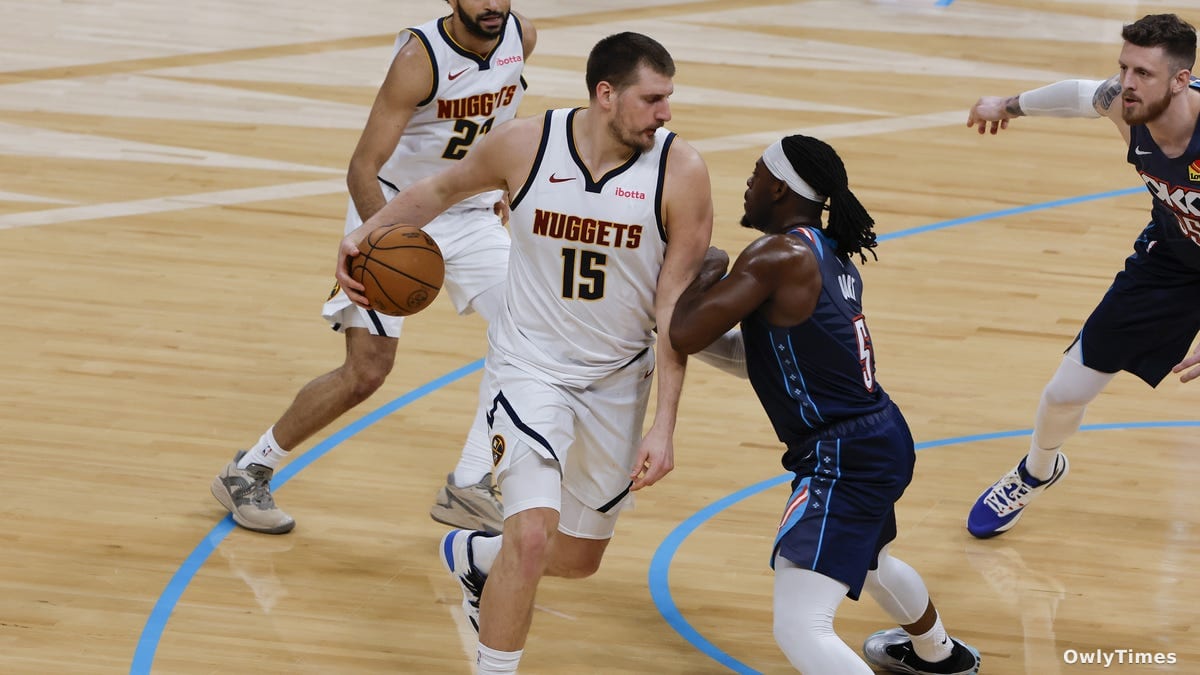

The Paycom Center in Oklahoma City wasn’t just echoing with the squeak of sneakers and the roar of the crowd last Friday night; it vibrated with a simmering tension that spilled over into a moment of blatant physicality. With 8:03 left in the fourth quarter of a nail-biting contest between the Denver Nuggets and the Oklahoma City Thunder, Luguentz Dort didn’t just defend Nikola Jokic – he actively tripped him. The ensuing Flagrant 2 foul and ejection weren’t simply about a single play; they were a flashpoint revealing a league grappling with the increasingly aggressive edge of championship contention, and a question of where the line between hard play and intentional harm truly lies. The Thunder ultimately won 127-121 in overtime, even without their reigning MVP Shai Gilgeous-Alexander for the extra period, but the victory felt secondary to the incident that sparked a firestorm of debate.
A Deliberate Act in a Rising Rivalry
The context matters. This wasn’t a casual matchup. Both the Nuggets (currently third in the West with a 43-20 record as of February 28th) and the Thunder (second in the West at 41-21) are legitimate title contenders, exceeding preseason expectations. Oklahoma City, boasting the league’s youngest roster, has surged into the upper echelon, fueled by Gilgeous-Alexander’s MVP-caliber play and a relentless defensive intensity. The Nuggets, defending champions, are attempting to prove their dominance wasn’t a fluke. This budding rivalry, built on contrasting styles – Denver’s methodical offense versus Oklahoma City’s explosive athleticism – was already charged. Crew Chief James Williams, in the postgame pool report, stated the foul was deemed “unnecessary and excessive,” a carefully chosen phrase that suggests intent beyond simply playing aggressive defense. The league is averaging 18.8 technical fouls per game this season, a slight increase from last year’s 18.2, but Flagrant fouls, particularly those resulting in ejection, remain relatively rare – making Dort’s action all the more conspicuous.
This piece references the USA Today report.
Beyond the Foul: The Shifting Landscape of NBA Physicality
The immediate aftermath – the pushing and shoving between Jokic and Jaylin Williams, the offsetting technical fouls – felt almost predictable. It’s a league built on physicality, where players routinely absorb and dish out punishment. But Dort’s trip felt different. It wasn’t a collision during a drive to the basket; it was a deliberate act to impede Jokic’s progress. Jokic, known for his calm demeanor, didn’t mince words postgame, expressing his frustration with what he perceived as a dangerous play. This incident isn’t isolated. We’ve seen a noticeable uptick in aggressive fouls this season, a trend some attribute to the increased pressure of a hyper-competitive landscape and the emphasis on disrupting opponents’ star players. Teams are actively strategizing to make life difficult for players like Jokic and Gilgeous-Alexander, pushing the boundaries of what’s considered acceptable. The question becomes: is the league doing enough to protect its stars without stifling the inherent physicality of the game?
The Impact of Absence: Thunder Triumph Despite Setbacks
What’s truly remarkable about Oklahoma City’s win is how they overcame adversity. Not only did they play the entire fourth quarter and overtime without Dort, but Gilgeous-Alexander, who finished with 31 points, sat out the entire overtime period. This speaks volumes about the Thunder’s depth and resilience, qualities that have defined their surprising season. While Dort’s ejection undoubtedly shifted the momentum, it also galvanized the rest of the team. The Thunder are currently 22-8 at home, a testament to their ability to thrive under pressure. This victory wasn’t just about outscoring the Nuggets in overtime; it was about demonstrating a mental fortitude that separates contenders from pretenders. It’s a signal to the rest of the league that even when facing setbacks, Oklahoma City can find a way to win.
A League at a Crossroads
The Dort-Jokic incident isn’t just a single game’s controversy; it’s a microcosm of a larger issue facing the NBA. The league is walking a tightrope between celebrating its physicality and ensuring player safety. The current system of fines and suspensions feels increasingly inadequate to deter truly dangerous plays. Will the NBA consider stricter penalties for intentional fouls that put players at risk? Will they revisit the Flagrant foul system to provide clearer guidelines for officials? More importantly, will teams adjust their strategies to prioritize player safety over aggressive disruption? The Thunder’s win, and the controversy surrounding it, forces us to confront these questions. The league’s response – or lack thereof – will shape not only the remainder of this season but the future of the game itself.