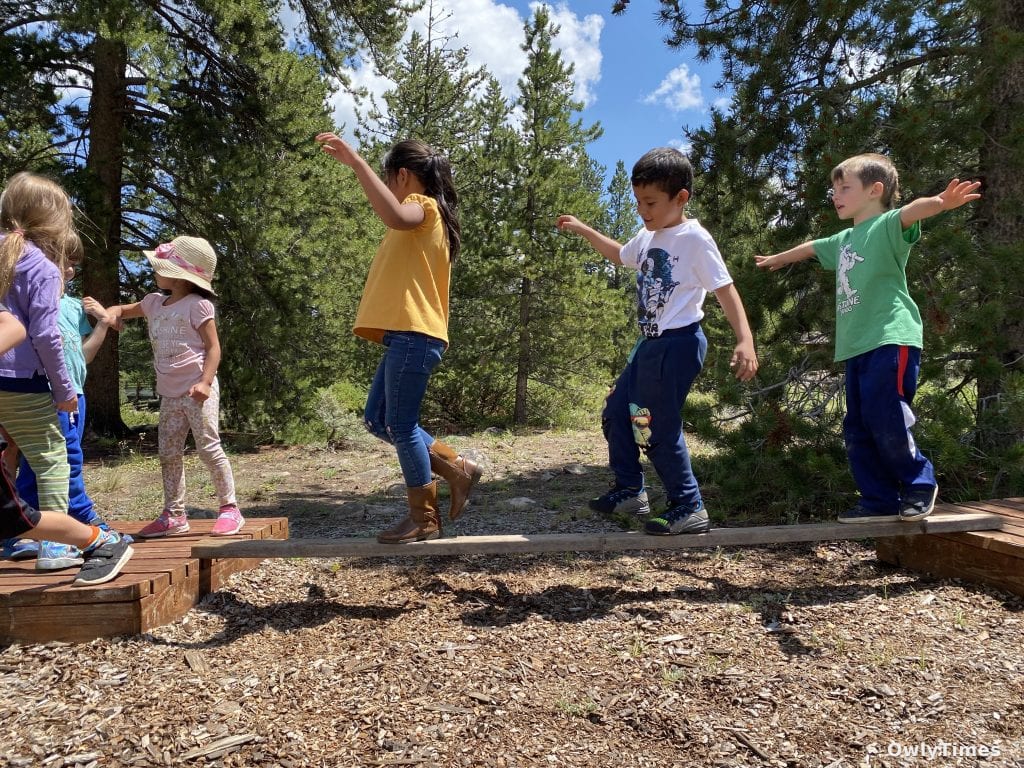

On a 23-acre parcel of land defined by the winding Snake River and the remnants of a historic rail line, the Keystone Science School occupies a space where the past and future of pedagogy intersect. Founded in 1976 by the renowned mountaineer and educator Bob Craig, the institution was built on the premise that intellectual rigor is best cultivated in the field rather than within the sterile confines of a lecture hall. As the school marks its 50th year, the question facing its leadership is no longer just how to teach science, but how to maintain a "living museum" while evolving into a critical hub for modern adolescent development.
Bridging History and Modern Pedagogy
For Executive Director Eric Rightor, who stepped into the role early last year, the school’s longevity is a significant operational milestone. However, the true utility of the campus lies in its ability to force students to confront the natural world directly. While headlines often categorize the organization primarily as a summer camp, the school’s actual footprint is much broader, serving over 4,100 participants annually through a mix of school-year outdoor education and after-school initiatives.
The scientific methodology here is experiential. Students do not simply read about geology; they analyze the formations of the Rocky Mountains or examine mining remnants on-site. In the most advanced sessions, older campers are tasked with simulating debates between competing interests like Denver Water and the oil and gas industry. This approach reflects a conscious shift from traditional rote learning toward the development of critical thinking, where students are forced to navigate complex, real-world trade-offs.
The Reality of Financial Accessibility
A tension exists between the school’s identity as a community pillar and its status as one of the more expensive programs in the region. To address this, the school operates on a model heavily reliant on philanthropy, with roughly 23% of its annual revenue derived from donations. This funding is not merely supplemental; it is structural. The organization leverages these donations to provide over $305,000 in financial aid to local families, supplemented by an additional $32,335 in scholarships for school groups.
By reserving more than half of its summer day camp spots for Summit County students—many of whom qualify for free and reduced lunch—the school attempts to mitigate the barrier to entry. This commitment is vital for the institution’s identity, as Rightor frames his primary objective as community development rather than simple recreation.
Limitations and the Challenge of Aging Infrastructure
Despite the success of its programs, the school faces significant physical limitations. The campus serves as a living museum, featuring structures moved from the original town of Dillon, including cabins that once housed early Keystone Resort planners. However, these historic assets are increasingly becoming liabilities. Facilities like the longstanding Coyote cabin, which has stood for nearly a century, are approaching the end of their functional lifespan.
These aging structures create a bottleneck for growth, particularly regarding staff housing and modern programmatic needs. Balancing the preservation of these historical artifacts with the need for modern, high-capacity facilities is a central challenge for the next iteration of the campus.
Next Steps in Strategic Evolution
The next phase of the school’s development is set to be formalized on Saturday, July 18, when leadership plans to unveil a new strategic plan at a gala. This document is expected to outline specific goals for increasing capacity and deepening local partnerships. The success of this transition will be measured by the institution's ability to pivot from its 50-year history toward a more sustainable, long-term model that addresses the rising mental health challenges and digital saturation facing today’s youth. The upcoming strategic rollout will serve as the primary indicator of how the school intends to balance its legacy with the necessity of infrastructure replacement and multi-year, immersive student engagement.





