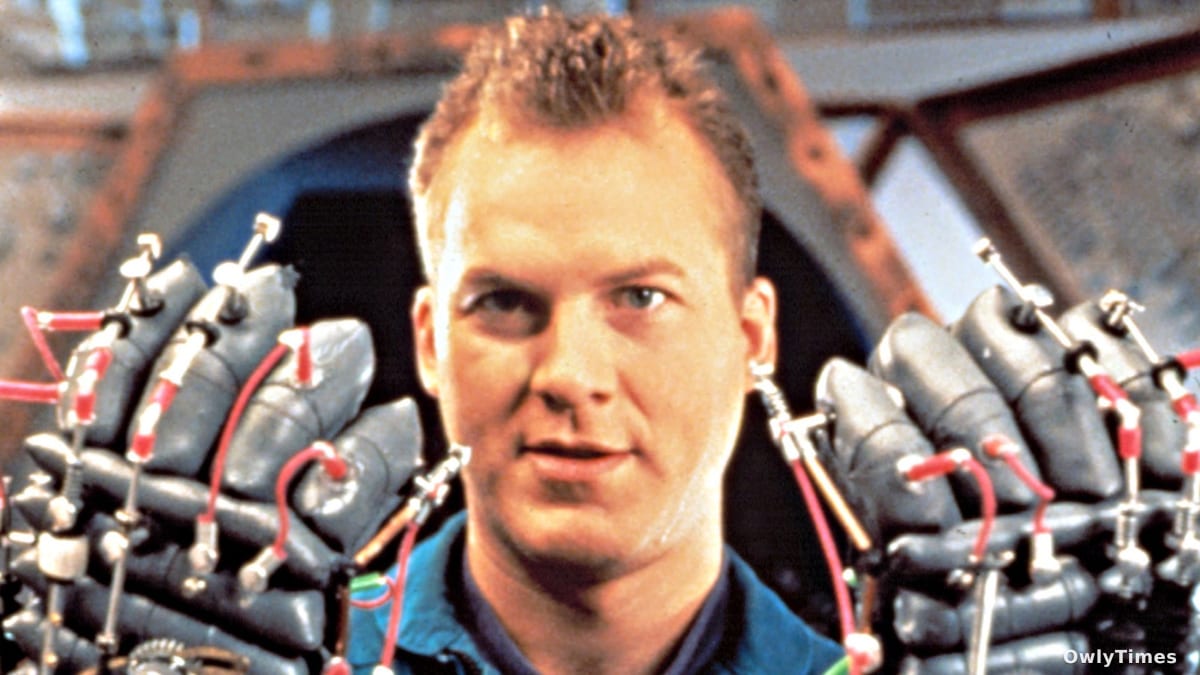

The chipped Formica of the diner booth felt familiar under Mike Nelson’s elbows, a stark contrast to the chrome and blinking lights of the Satellite of Love he’d left behind decades ago. He was recounting, with a wry chuckle, the sheer disbelief of being asked to return to riffing bad movies, a career path that began as a Minneapolis public access experiment in 1988 and somehow, impossibly, is being resurrected again in 2024. This isn’t just a nostalgia play; it’s a fascinating case study in how a cult following can defy the logic of streaming, licensing, and the relentless churn of the entertainment industry. The revival of Mystery Science Theater 3000, now dubbed Mystery Science Theater 3000: The RiffTrax Experiments, isn’t simply about bringing back a beloved show – it’s about a community reclaiming its cultural touchstone, and a business model built on owning the joke itself.
For the uninitiated, MST3K’s premise is deceptively simple: a human host (initially Joel Hodgson, later Mike Nelson) and their robot companions, Tom Servo and Crow T. Robot, are forced to watch terrible movies by evil overlords. Their running commentary, delivered from a shadowy theater set, transforms cinematic dreck into comedic gold. The show’s journey has been anything but linear. After seven seasons on Comedy Central and three on the Sci-Fi Channel, it vanished for 18 years, only to briefly reappear on Netflix in 2017. That revival, spearheaded by comedian Jonah Ray, ultimately fizzled, leaving many to believe the Satellite of Love had docked for good. But the story doesn’t end there. Hodgson sold the rights to Radial Entertainment, and now, against all odds, Nelson, alongside Kevin Murphy (Tom Servo, seasons 2-10) and Bill Corbett (Crow T. Robot, seasons 8-10), are back at the helm.
Based on the original rollingstone.com report.
The key to understanding this latest resurrection lies in the 20 years Nelson, Murphy, and Corbett spent building RiffTrax, an audio-only riffing service. While MST3K navigated the treacherous waters of rights clearances and network demands, RiffTrax thrived on its simplicity. “No one can stop you riffing Star Wars or Titanic,” Nelson explained, a hint of satisfaction in his voice. “There are no rights issues.” This freedom, born out of necessity after MST3K’s initial cancellation, allowed them to build a sustainable business and a fiercely loyal fanbase. RiffTrax, as of today, has riffed over 550 movies, proving there’s a substantial audience hungry for witty, irreverent commentary. The Kickstarter campaign for The RiffTrax Experiments has already raised nearly $2 million, a testament to that enduring demand – and a pointed rebuke to the streaming services that often prioritize quantity over cultivating dedicated communities.
The return of the original trio isn’t just a sentimental gesture; it’s a strategic move. The 2017 Netflix revival, while well-intentioned, faced criticism for its wholesale cast change. Fans struggled to connect with a completely new crew, missing the familiar dynamic honed over years of shared history. As Nelson admitted, he received “really, really personal hate mail” when he initially took over hosting duties from Hodgson in 1999, but that transition was gradual. This time, the shift was abrupt. “The changes were very gradual back then,” he reflected. “This was an entirely new cast all at once.” The current plan – shooting in Minneapolis with the original sets, bringing back guest appearances from MST3K alumni like Frank Conniff and Trace Beaulieu (of “The Mads” fame) – is a clear attempt to tap into that nostalgia and rebuild the show’s core identity. It’s a calculated risk, acknowledging the power of the show’s legacy while simultaneously forging a new path.
But the success of this venture hinges on more than just fan service. Nelson acknowledged the challenges of producing MST3K compared to the streamlined process of RiffTrax. “MST is like spinning plates,” he said. “When you start putting puppets under the lights and things like that, they tend to catch fire.” The initial run of four episodes feels like a cautious approach, a way to test the waters and ensure they can deliver a product that meets both their own standards and the expectations of their devoted fanbase. The question now isn’t just can they bring back MST3K, but can they do so without sacrificing the quality and spontaneity that made the show a cultural phenomenon in the first place? And, perhaps more importantly, can they build a sustainable model that doesn’t rely on the whims of a Netflix executive demanding a monkey be added to the script? The future of the Satellite of Love, it seems, is once again in the hands of those who truly understand its orbit.