
The Vancouver rain felt fittingly Norse as the first scenes of Prime Video’s God of War adaptation were filmed last fall. Not the sweeping landscapes of Midgard, not yet, but the quiet, contained energy of a set building a world steeped in myth and brutal consequence. It’s a world millions know intimately through the PlayStation franchise, a series that has consistently redefined action-adventure gaming, but translating that visceral experience – and its surprisingly tender core – to live-action is a gamble. This isn’t just another video game adaptation; it’s a test of whether a story built on operatic violence can truly resonate when stripped of interactive control, and whether audiences are ready for a leading man defined by rage and regret.
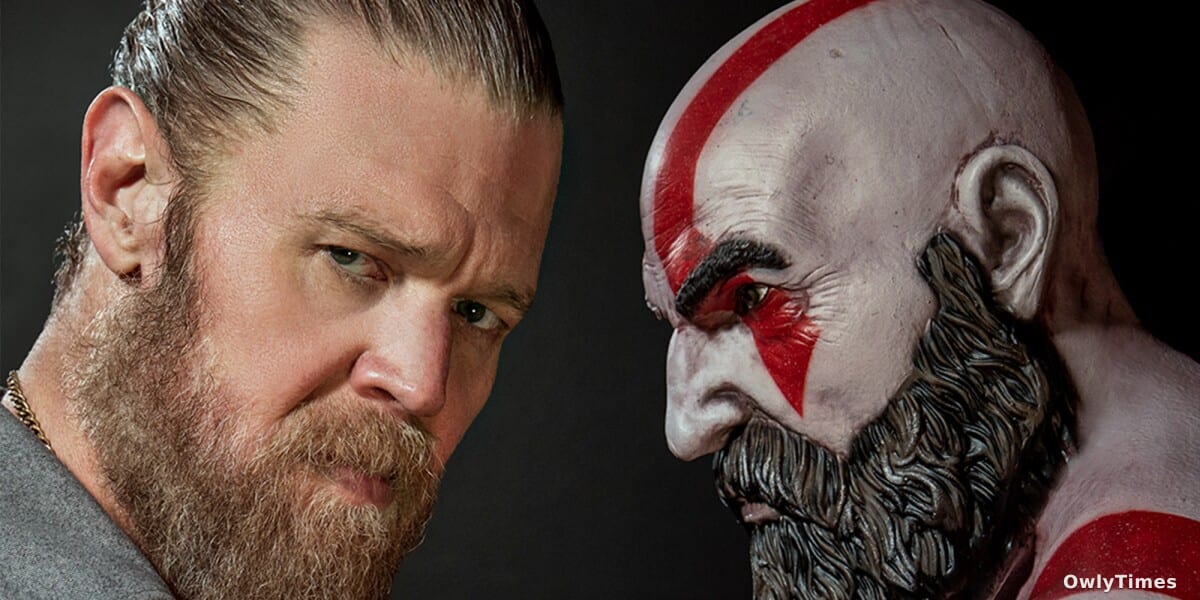
The casting of Ryan Hurst as Kratos, the titular Spartan warrior, immediately sparked conversation. Hurst isn’t a stranger to complex, brooding characters – Sons of Anarchy fans will recognize his intensity – and crucially, he’s already in the God of War universe, having delivered a BAFTA-nominated performance as Thor in God of War Ragnarök. This isn’t stunt casting; it’s a deliberate choice to bring someone who understands the weight of the mythology, the nuances of the characters, and the emotional landscape of the story. But beyond the headline names, the ensemble being assembled by showrunner Ronald D. Moore (Battlestar Galactica, Outlander) signals a commitment to depth. Mandy Patinkin as Odin, the manipulative All-Father, is a masterclass in casting, promising a performance that will be both chilling and intellectually captivating. Callum Vinson as Atreus, Kratos’ son, carries the weight of representing a generation grappling with a legacy of violence, a role that demands vulnerability and strength in equal measure.
Based on the original aboutamazon.com report.
What’s particularly striking about this adaptation isn’t just what story it’s telling – the journey to scatter the ashes of Faye, Kratos’ wife and Atreus’ mother – but when in the franchise’s timeline it’s choosing to begin. The series will closely follow the narrative of the last two critically acclaimed games, a deliberate pivot from the earlier, more overtly violent installments. This isn’t the Kratos of ten games ago, indiscriminately slaughtering gods. This is a Kratos attempting, however clumsily, to break the cycle of rage and teach his son a different path. This shift reflects a broader cultural moment, a reckoning with toxic masculinity and a growing appetite for stories that explore the complexities of fatherhood. The games themselves tapped into this, and Moore, a showrunner known for his character-driven narratives, seems intent on amplifying it.
Beyond the headlines about casting and plot, the two-season order from Amazon MGM Studios and Sony Pictures Television is a significant vote of confidence. Video game adaptations have historically been fraught with peril, often falling into the trap of fan service over substance. The industry average for critical reception of video game adaptations hovers around a lukewarm 60% on Rotten Tomatoes, a stark contrast to the 93% average for adaptations of novels. God of War is aiming higher, and the investment suggests Amazon believes this franchise has the potential to transcend the genre. The success of Fallout on Prime Video, another adaptation that prioritized narrative fidelity and character development, likely played a role in that decision. But Fallout benefited from a pre-existing cultural awareness fueled by decades of the game’s popularity; God of War, while immensely successful within the gaming community, still needs to prove its appeal to a broader audience.
The choice of Frederick E.O. Toye (Shōgun, The Boys, Fallout) as director for the first two episodes is another telling detail. Toye’s work is characterized by a meticulous attention to detail, a willingness to embrace morally grey characters, and a knack for building tension. He’s not simply recreating action sequences; he’s crafting a world that feels lived-in and dangerous, a world where the gods are as flawed and vulnerable as the mortals they rule over. This is crucial for a story that hinges on the internal conflicts of its characters, on the struggle between destiny and free will.
The question now isn’t whether God of War will be visually spectacular – the source material and the talent involved all but guarantee that. It’s whether it can capture the emotional resonance of the games, whether it can convince viewers to invest in the journey of a father and son navigating a world on the brink of Ragnarök. Will audiences embrace a protagonist defined by his past trauma, or will they demand a more conventional hero? The answer will not only determine the fate of this adaptation, but will also shape the future of video game storytelling on screen. Will God of War prove that these worlds can be more than just spectacle, that they can offer genuine emotional depth and cultural commentary? That’s the battle worth watching.