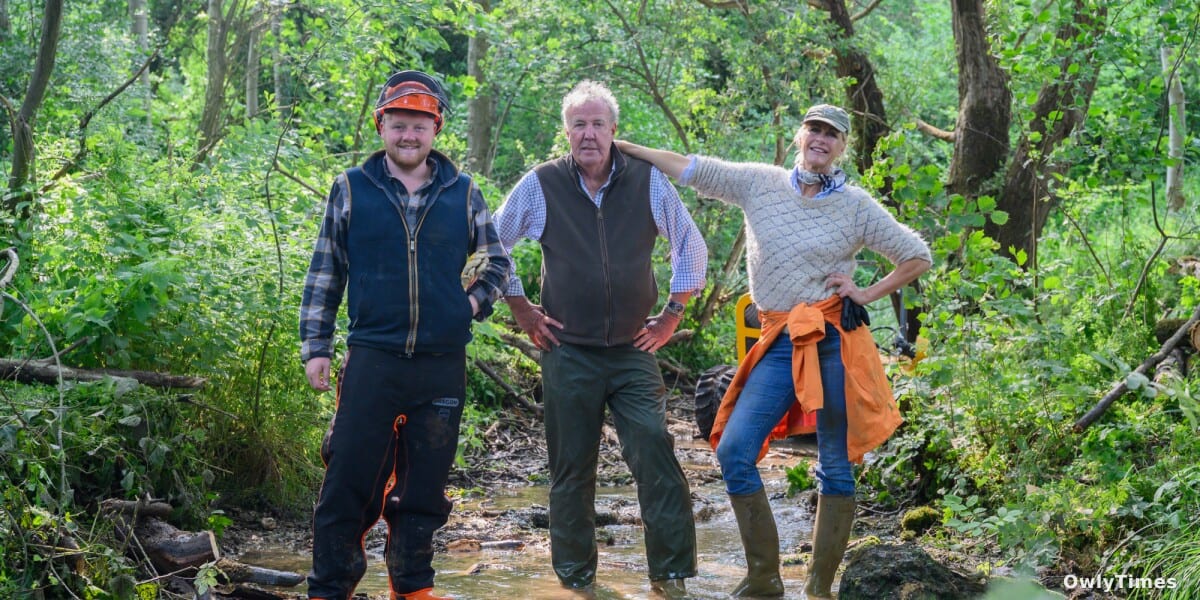

The rain-slicked fields of the Cotswolds have become an unlikely theater for the tension between modern bureaucracy and the stubborn, mud-caked reality of agriculture. When Jeremy Clarkson first traded the high-octane world of automotive journalism for the unpredictability of a tractor seat, few expected the experiment to evolve into a global cultural phenomenon. Yet, as the cameras return to Diddly Squat, the stakes have shifted from mere crop yields to survival in an era of tightening fiscal policy.
The High-Tech Gamble Amid Political Upheaval
The upcoming fifth season of the hit UK Original Series, arriving June 3 on Prime Video, finds its protagonist caught in a familiar, yet intensified, struggle. While previous chapters focused on the granular difficulties of farming, the narrative is now firmly anchored to the fallout from a government budget that has left the UK farming community in a state of genuine uproar. This is not just a show about planting seeds; it is a docuseries about the collision between traditional labor and the volatile economic decisions emanating from Whitehall.
In an effort to insulate the farm from these mounting external pressures, Clarkson is pushing the operation toward a high-tech evolution. This transition promises to be the season’s most jarring arc, forcing the crew to pivot away from their established rhythms. Perhaps most tellingly, this technological pivot mandates Kaleb’s first-ever trip abroad—a moment that highlights the international reach of what began as a strictly local, British endeavor.
A Staggered Release for a Global Audience
Prime Video has structured the launch of this eight-episode season to maintain momentum throughout the month of June. The platform will debut the series globally on June 3 with a substantial drop of the first four episodes, followed by two episodes arriving on June 10, and the final two concluding the story on June 17. This weekly cadence suggests a strategy designed to sustain the cultural conversation around the series, ensuring that the specific challenges faced by the Diddly Squat team remain top-of-mind for viewers for the duration of the month.
By making all four previous seasons available to stream worldwide now, the service is betting that the audience’s appetite for the show’s unique brand of rural realism is stronger than ever. The series has become a pillar of Prime Video’s international content strategy, demonstrating that viewers are just as captivated by the complexities of agricultural policy as they are by high-budget scripted drama.
The True Cost of Diddly Squat
Beyond the humor and the inevitable mishaps, the core of the show remains the tension between individual grit and systemic hurdles. The "big developments" promised for the new season are framed as a much greater challenge than the technical upgrades the farm is currently undertaking. These developments appear to be the catalyst for the season’s dramatic stakes, moving the series from a humorous look at a celebrity farmer to a sharper critique of the agricultural landscape.
The upcoming episodes serve as a bellwether for the future of the series and the broader genre of reality-based rural storytelling. Whether the farm’s pivot to technology can withstand the pressures of the current government budget remains the central, unresolved question of the season. The next reading of audience reception and engagement metrics following the June 17 finale will show whether this blend of technical modernization and political friction continues to resonate with a global audience.