
The bass drum hit me in the chest before I even reached the Bridgestone Arena doors. Not the music from the show, but the thrum of anticipation – and anxiety – radiating from the crowd already gathering for a Lauren Daigle concert. It’s a feeling I’ve chased for years covering live events, but this time, the energy felt different. It wasn’t just excitement; it was a palpable awareness of need. Need for a safe space, for a little control in a chaotic environment, for the simple ability to experience the music without being overwhelmed. That need is precisely what’s driving a quiet revolution in arenas and amphitheaters across the country, one spearheaded by an organization called KultureCity.
Over the past decade, the conversation around live events has shifted from simply “putting on a show” to a holistic consideration of safety, access, and experience. But for a significant portion of the population – individuals with autism, PTSD, dementia, traumatic brain injuries, and other invisible disabilities – those experiences have historically been fraught with barriers. Loud volumes, flashing lights, and dense crowds aren’t just inconveniences; they can be debilitating. KultureCity, founded in 2014 in Birmingham, Alabama, is changing that, and their impact is now being felt by over 3.5 million people annually. In 2025 alone, they distributed 1.8 million sensory bags, built 988 sensory rooms, and placed 632 mobile sensory stations across 40 countries. These aren’t just numbers; they represent a fundamental shift in how we define inclusivity in live entertainment.
Source material: musicrow.com.
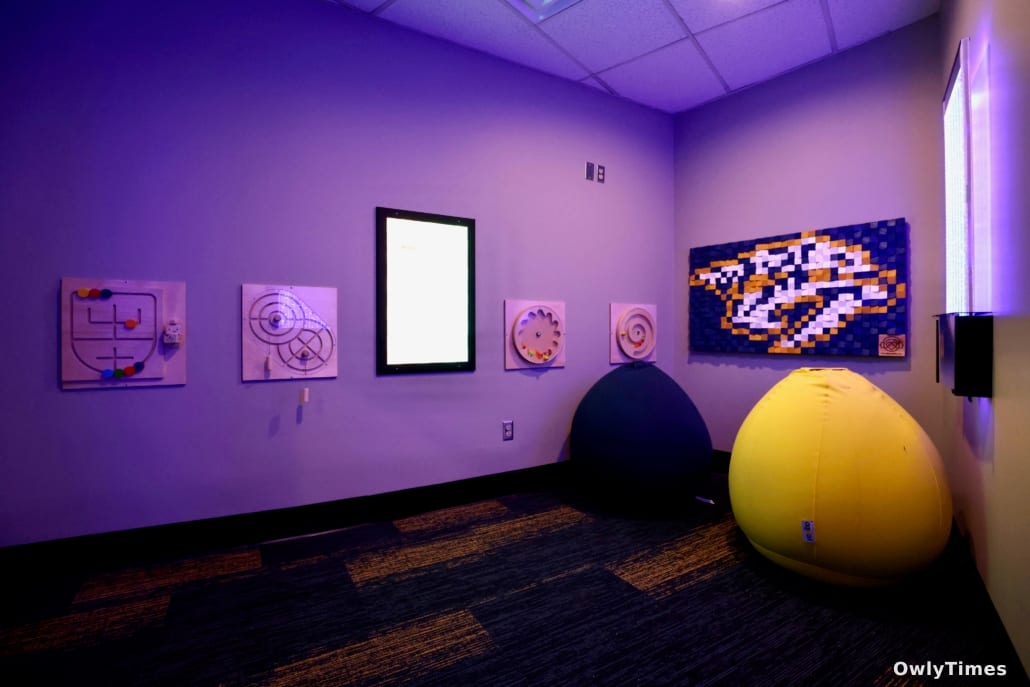
The organization’s approach is multi-faceted. It’s about training venue staff to recognize and respond to sensory overload, providing tangible tools like noise-canceling headphones and fidget toys through their signature sensory bags, and creating dedicated quiet spaces like The Lauren Daigle Sensory Room at Bridgestone Arena itself. This isn’t about “special treatment,” as some might assume. It’s about leveling the playing field, removing obstacles that prevent a segment of the population from participating in a shared cultural experience. The arena, which partnered with KultureCity and the Nashville Predators in 2021, now offers annual staff training led by medical professionals, ensuring a consistent and informed response to fans in need.
The ripple effect extends far beyond brick-and-mortar venues. KultureCity has become a fixture on major tours, including Coldplay’s “Music of the Spheres World Tour” (impacting over 25,000 fans from 2022-2025), Paul McCartney’s 2025 North American tour (reaching over 3,000), and even Stevie Nicks’ recent shows (impacting over 1,500 attendees). In the country music world, Lainey Wilson took inclusivity on the road with her 2025 “Whirlwind Tour,” activating KultureCity at all 31 dates and directly impacting over 4,604 fans with sensory bags. These partnerships aren’t just PR moves; they’re a recognition that accessibility is good business. The numbers tell the story: 726 sensory bags distributed on Wilson’s tour, each one potentially unlocking a concert experience for a family who might otherwise have stayed home.
But the real story isn’t in the statistics, it’s in the individual experiences. Wilder Key, a young autistic fan, embodies the impact of these initiatives. “When you first go into a concert and you don’t know how loud it’s going to be, [that’s a challenge],” he explains, “but if it’s not too loud, then I’m usually fine.” For Wilder and his mother, Shea Fowler, the availability of sensory bags and the predictability offered by the KultureCity app are game-changers. “Knowing that KultureCity is in most every venue we go to…is really nice,” Shea says, highlighting the relief of knowing resources are readily available and clearly communicated. This isn’t just about managing sensory input; it’s about reducing anxiety and empowering families to participate in experiences they previously felt excluded from.
Beyond the headlines of celebrity partnerships and impressive impact numbers, KultureCity’s work reveals a broader shift in audience development. The industry is finally recognizing that accessibility isn’t a niche accommodation, but an integral part of creating a thriving and sustainable live entertainment ecosystem. It’s a move away from a one-size-fits-all approach to a more nuanced understanding of audience needs. The creation of spaces like The Lauren Daigle Sensory Room – outfitted with bean bags, visual light panels, and calming design elements – demonstrates a commitment to the full spectrum of the fan experience.
As more artists and venues embrace sensory-inclusive practices, the question isn’t if this trend will continue, but how it will evolve. Will sensory inclusivity become a standard expectation for all live events, or will it remain a voluntary initiative? And, crucially, will the industry move beyond simply providing tools and spaces to actively designing experiences that are inherently more accessible to all? The future of live entertainment may well depend on the answer.