
The Unexpected Lifeline of Decades-Long Advocacy
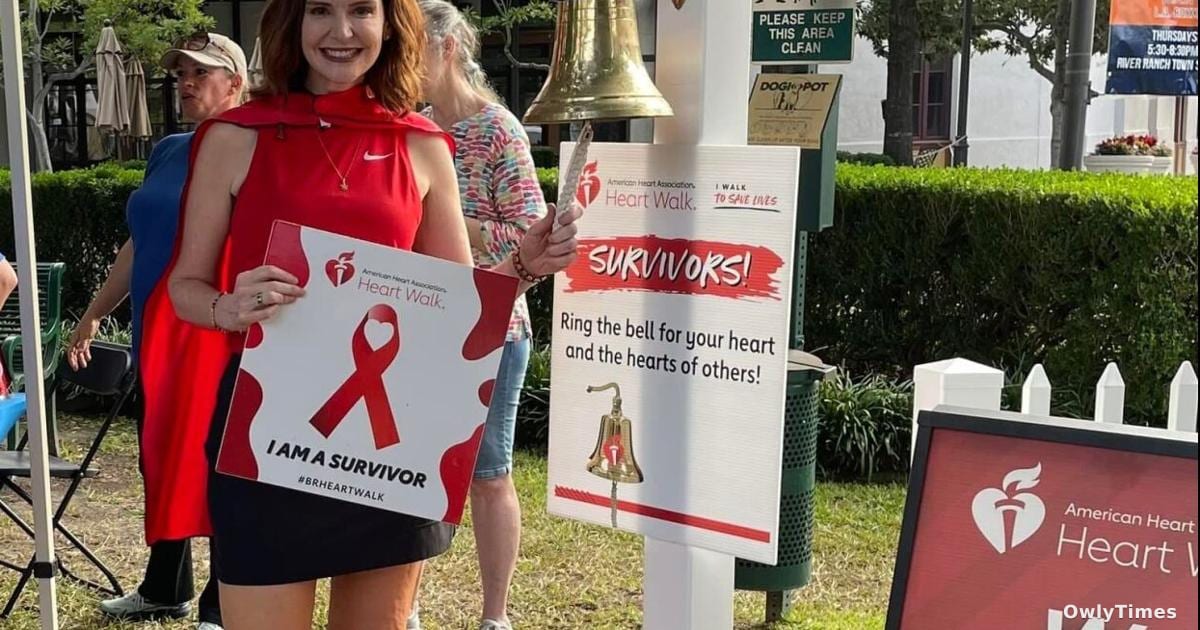
The narrative around heart disease often focuses on dramatic interventions – bypass surgeries, stents, and medication. But what if the groundwork for a successful outcome was laid not in a hospital, but in years of community fundraising and awareness campaigns? This is the story of Katie Ferguson, a heart disease survivor and community leader in Acadiana, whose personal experience underscores a critical, often overlooked aspect of cardiovascular health: the power of sustained, preventative advocacy. Ferguson’s journey isn’t simply about surviving an ascending aortic aneurysm and undergoing open-heart surgery in January 2023; it’s about how two decades of volunteer work with the American Heart Association inadvertently prepared her – and ultimately, partially saved her life.
This piece references the NOLA.com report.
Ferguson’s involvement began in 2005, initially as a volunteer motivated by family history. Her father had suffered a heart attack, and her grandfather underwent open-heart surgery in the 1970s, instilling in her a sense of urgency around heart health. This personal connection deepened over the years, culminating in her role as immediate past chair of the American Heart Association’s Greater Acadiana Go Red for Women campaign. However, it wasn’t until 2021, when she received her own diagnosis of an enlarged ascending aorta, that the full impact of her dedication became clear. As she recounts, it was a “full circle moment” – the fundraising and awareness work she’d been doing for 20 years positioned her to not only understand her diagnosis but to benefit directly from the research it funded. During her surgery, doctors discovered a bicuspid aortic valve, requiring a mechanical replacement. Crucially, Ferguson notes that the research underpinning both the graft and the valve was supported by American Heart Association dollars. This isn’t to suggest that advocacy replaces medical intervention, but rather that it creates a foundation of knowledge and resources that improves outcomes when intervention becomes necessary.
The statistics surrounding heart disease are stark. According to the American Heart Association, one in three women will die from heart disease – a figure exceeding deaths from all cancers combined. For men, the statistic is one in four. What’s particularly concerning is the often-silent nature of heart disease; unlike many cancers, it doesn’t always present with visible symptoms, leading to delayed diagnosis and treatment. Every 80 seconds, a woman in the United States dies from cardiovascular disease. Ferguson emphasizes the growing recognition of disparities in heart health, highlighting the need for more research focused on females, African Americans, and Native Americans. This isn’t simply about inclusivity; it’s about acknowledging that cardiovascular risk factors and disease presentation can vary significantly across populations, necessitating tailored research and preventative strategies.
Ferguson’s experience also highlights the power of incremental lifestyle changes. She advocates for small, realistic adjustments to eating habits – opting for one cookie instead of five, choosing a fold-over sandwich to reduce bread intake – as a way to build healthier habits over time. These seemingly minor modifications, she argues, accumulate and contribute to overall well-being, particularly heart health. This approach is a departure from the often-overwhelming advice surrounding diet and exercise, offering a more accessible and sustainable path to preventative care. It’s a reminder that consistent, small efforts can be more impactful than sporadic, drastic changes.
Beyond her personal transformation, Ferguson’s story illuminates the American Heart Association’s evolving strategy in Lafayette and surrounding communities. While national research remains a priority, the organization has increasingly focused on reinvesting funds locally over the past decade. Current initiatives include partnerships with the Second Harvest Food Bank to improve food safety, providing blood pressure cuffs to public libraries, and equipping high schools with CPR training mannequins. These efforts demonstrate a commitment to meeting people where they are and providing accessible tools for proactive heart health management. The placement of blood pressure check stations in public recreation centers further exemplifies this localized approach.
However, it’s important to acknowledge the limitations of these localized efforts. While increased access to resources is valuable, systemic factors – such as food deserts, lack of healthcare access, and socioeconomic disparities – continue to pose significant challenges to heart health equity. Furthermore, the reliance on volunteerism and fundraising, while commendable, can create instability and limit the scope of interventions. The American Heart Association’s ability to sustain these programs will depend on continued community engagement and financial support. Looking ahead, research needs to focus not only on diversifying cardiovascular studies but also on understanding the complex interplay between social determinants of health and heart disease risk. Will the current localized initiatives be sufficient to address the underlying systemic issues driving cardiovascular disparities in Acadiana? That’s a question worth watching closely in the coming years.





