
The 49-Cent Souvenir: How Las Vegas Small Businesses Are Diverging on Tourism and Trade
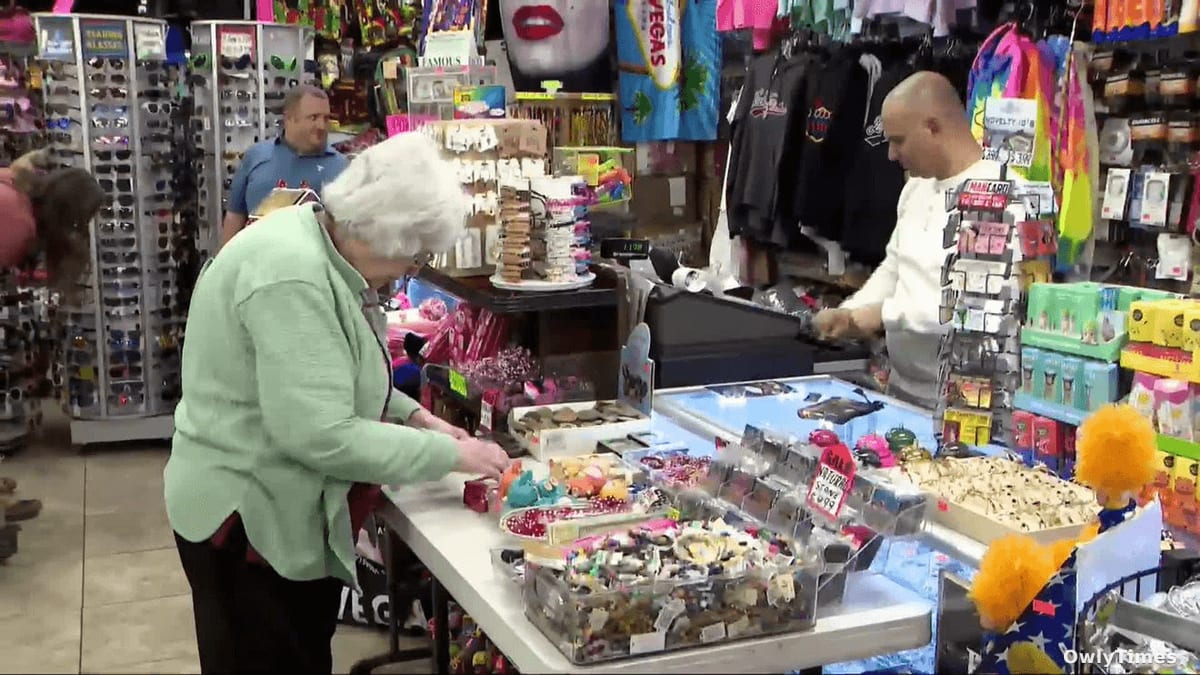
A 49-cent price increase on ubiquitous Las Vegas souvenirs – shot glasses, keychains, magnets – encapsulates a widening split in the city’s small business landscape. Jimmy Singh, owner of Las Vegas Souvenirs and Gifts near the Strip, isn’t simply adjusting for inflation; he’s absorbing the double blow of declining foot traffic and escalating costs due to tariffs on imported goods. This isn’t a uniform experience, however. While Singh struggles, businesses in the Arts District are increasingly reliant on tourism, even as they too feel the pinch of trade policies. Follow the money, and a clear picture emerges: Las Vegas’ economic recovery isn’t a rising tide lifting all boats, but a fragmented pattern dictated by location and supply chains.
Reporting from news3lv.com informs this analysis.
The shift in customer base at establishments like Esther’s Kitchen is particularly telling. General Manager Keith Bracewell reports that tourists now comprise 60-70 percent of his clientele, a significant jump from the restaurant’s early days. This isn’t accidental. The Arts District’s deliberate cultivation of a unique, “local” vibe is attracting visitors seeking an alternative to the Strip’s spectacle. Convention traffic, a historically reliable economic driver, is actively funneling patrons into the neighborhood, effectively monetizing the city’s efforts to diversify its appeal. This reliance on out-of-state spending, however, introduces vulnerability. A 10% dip in convention attendance, for example, could translate to a substantial revenue loss for businesses like Esther’s Kitchen, given their current customer mix.
This dependence on tourism isn’t limited to restaurants. Aspen Davis, Manager of the vintage clothing store Red Kat, notes that tourists account for 60 percent of her business, supplemented by a crucial base of repeat local customers. The key difference for Red Kat is its sourcing strategy. Unlike Singh, who relies on imported goods, Davis’ inventory is primarily sourced locally through estate sales and direct consignments. This shields the business from the direct impact of tariffs, demonstrating a clear correlation between supply chain vulnerability and exposure to global trade policies. Red Kat’s success highlights a potential resilience strategy for Las Vegas small businesses: prioritizing local sourcing to mitigate external economic shocks.
However, the tariff impact is demonstrably real. Bracewell specifically cites rising alcohol costs as a “big pressure point” for the restaurant industry, directly attributable to tariffs on imported spirits. While he doesn’t quantify the increase, the broader beverage industry has reported price hikes ranging from 5-15% on affected products since the implementation of tariffs in 2018. This isn’t simply a matter of profit margins; it forces businesses to either absorb the cost, potentially impacting profitability, or pass it on to consumers, risking a decline in demand. Singh’s decision to raise prices on his low-margin souvenirs – from 99 cents to $1.49 – illustrates this difficult trade-off. A 50% price increase on a staple item signals a significant squeeze on his business.
The diverging fortunes of these businesses reveal a critical tension within the Las Vegas economy. The city is actively promoting itself as a diverse destination, attracting visitors to areas beyond the Strip. However, this diversification is creating a two-tiered system, where businesses reliant on tourism are increasingly vulnerable to fluctuations in visitor numbers and global trade policies, while those with localized supply chains demonstrate greater resilience. The question now is whether Las Vegas can proactively address these imbalances. Will the city invest in programs to support local sourcing and reduce reliance on imported goods, or will it continue to rely on attracting ever-increasing numbers of tourists to offset the risks of a volatile global economy?
What this means for your wallet: Expect continued price increases on imported goods in Las Vegas, particularly souvenirs and beverages. If you’re a local, supporting businesses that prioritize local sourcing could help stabilize prices and bolster the local economy. Watch for shifts in convention schedules and tourism numbers – a decline in either could trigger further price hikes and business closures, especially near the Strip.