
Is the most important computer in Apple’s lineup actually the one you can’t buy? While the tech world obsesses over the latest iPhone launch cycles, a quiet, screen-free box is currently causing a massive supply chain headache for Cupertino. The real story here isn’t just a seasonal inventory shortage—it’s the sudden, unexpected transformation of the Mac Mini into the primary engine for the next wave of autonomous software.
The Agentic AI Bottleneck
For years, the Mac Mini was relegated to the status of a secondary device, often used by hobbyists or as a low-cost entry point into the Apple ecosystem. That narrative shifted rapidly following the release of OpenClaw earlier this year. This open-source AI tool requires a dedicated, always-on environment to run agentic tasks—software that can autonomously navigate files, browse the web, and execute complex workflows without constant human hand-holding.
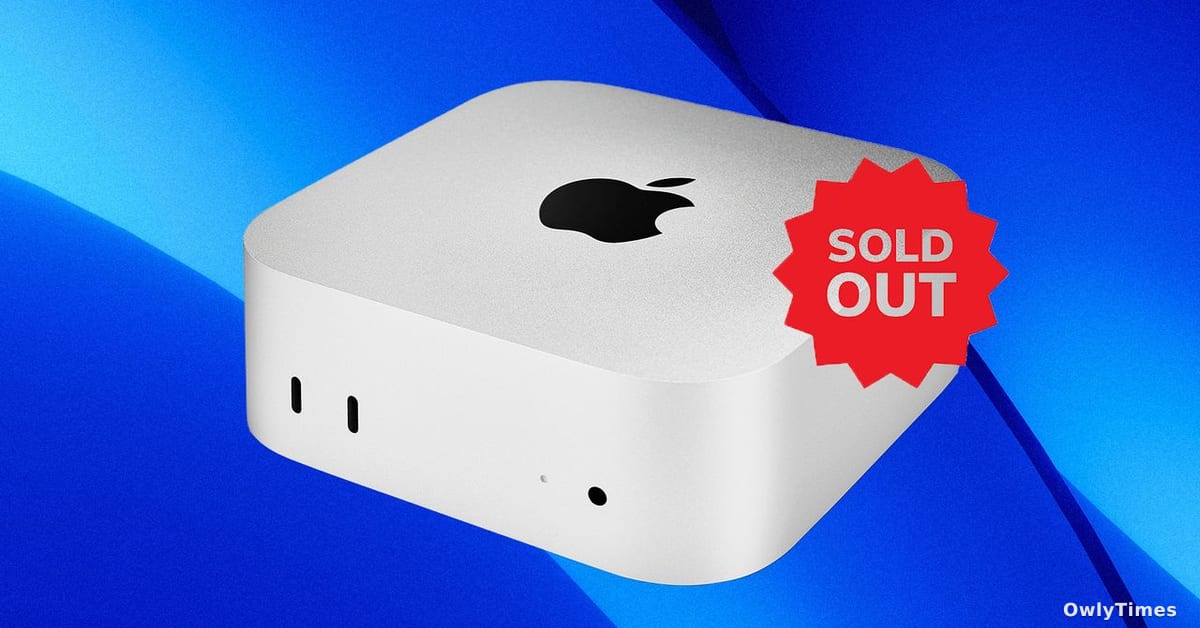
The Mac Mini, with its specialized architecture, has become the preferred "brain" for these autonomous agents. Apple CEO Tim Cook confirmed on the company’s earnings call on Thursday that the company is struggling to keep up with this shift, noting it could take "several months" to meet the skyrocketing demand for the machine. While Mac sales remain a smaller slice of the company’s revenue pie at $8.4 billion this quarter—a stark contrast to the $57 billion generated by the iPhone—the cultural impact of these devices is punching far above their weight class.
When Hardware Hits the AI Wall
The supply chain constraints tell a story of a company caught off guard by its own user base. MacRumors reported in early March that Apple had quietly discontinued a 512 GB memory configuration of the Mac Mini, and as of last week, the base model was completely sold out. This isn't just a simple production delay; it represents a fundamental disconnect between Apple’s traditional sales forecasting and the aggressive, real-world application of generative AI by developers.
Cook admitted on the call that the adoption of these AI tools is happening "faster than we expected." The pressure is compounded by the runaway success of the MacBook Neo, a colorful and affordable laptop that is pulling resources away from other hardware priorities. While the iPhone 17 continues to see high demand, the "compact but mighty" Mac Mini has become the unexpected victim of a market that suddenly values dedicated, local computing power over mobile portability.
A Changing of the Guard
This logistical crunch arrives at a pivotal moment for Apple’s executive suite. Tim Cook used the earnings call to address his transition out of the CEO role later this year, describing it as the "right moment" to move into the executive chairman position. His designated successor, John Ternus, joined the call to reassure investors, though both men kept details regarding the company’s future product road map intentionally vague.
As Apple prepares for this leadership handoff, the company is juggling a fragile balance between its legacy as a consumer-electronics giant and its new reality as a supplier of infrastructure for the AI age. The transition of power will be measured not just by the grace of the C-suite handoff, but by how quickly the company can scale its hardware production to meet the demands of a new developer class. The next reading of Mac inventory levels will show whether Apple can translate this sudden, AI-driven demand into a sustainable pillar for its future growth.