
The Unexpected Triumph of the Magnet: How MagSafe Became Essential to the iPhone Ecosystem
Apple’s relentless pursuit of refinement often manifests in subtle changes. While consumers eagerly anticipate advancements in processing power or camera technology, sometimes the most impactful innovations are surprisingly simple. The introduction of MagSafe with the iPhone 12 series initially seemed like a minor addition – a magnet on the back. Yet, it has rapidly evolved from a perceived gimmick into a cornerstone of the iPhone experience, spawning a thriving ecosystem of accessories and fundamentally altering how users interact with their devices. This isn’t merely about convenience; it signals a broader shift in Apple’s strategy towards a more integrated and adaptable hardware experience.
Background & Context: From PowerTap to a Platform
The story of MagSafe isn’t entirely new. Apple previously employed a magnetic charging connector – also called MagSafe – for MacBooks from 2006 to 2016. This original MagSafe was lauded for its safety; the connector would detach easily if the cable was yanked, preventing laptops from being pulled off desks. When Apple reintroduced MagSafe for the iPhone, it wasn’t solely about replicating that safety feature. It was about creating a platform. The timing was crucial. The iPhone 12 marked the first Apple phone without a power adapter in the box, pushing users towards wireless charging. MagSafe provided a more precise and efficient wireless charging experience than previous iterations, and crucially, opened the door for third-party accessory development. This represents a shift from Apple’s historically closed ecosystem to one that, while still controlled, allows for greater external innovation. Prior to MagSafe, wireless charging was often imprecise, requiring careful alignment. The magnetic connection solved this, and the potential was immediately apparent.
This article draws on reporting from bgr.com.
Beyond Charging: The Expanding Utility of MagSafe
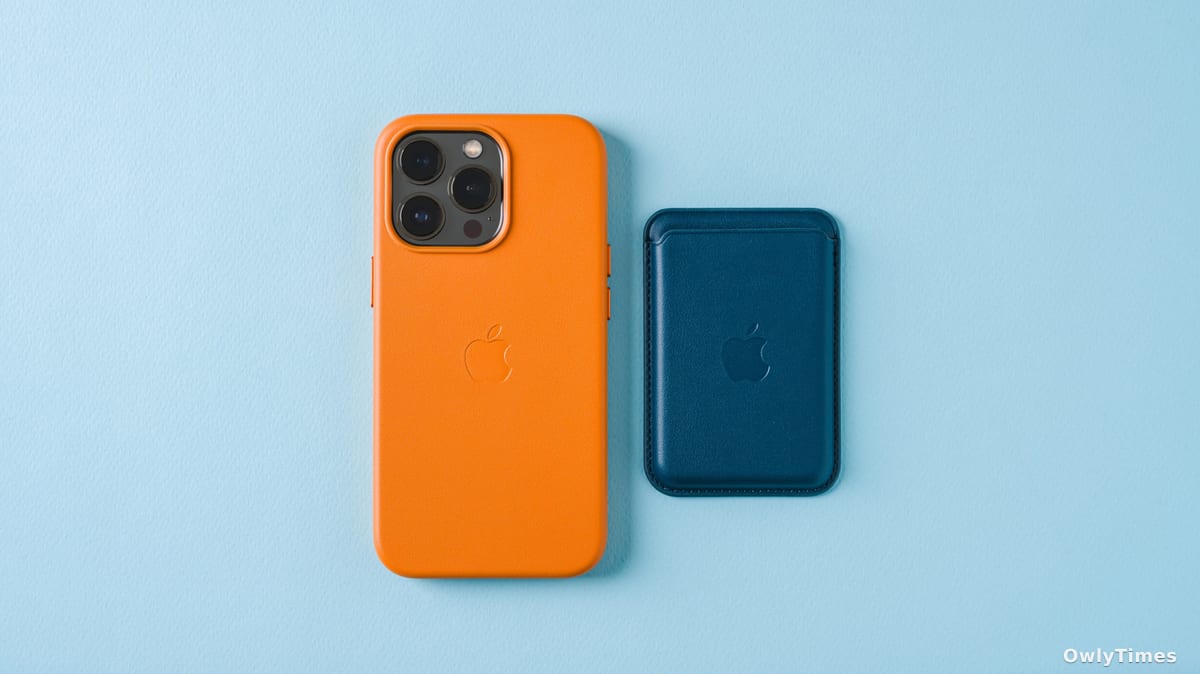
While wireless charging remains a primary function, the true power of MagSafe lies in its versatility. The accessories highlighted – Belkin’s 3-in-1 charging station, the UGREEN MagFlow power bank, LISEN’s MagSafe car mount, the ESR Geo MagSafe Wallet, and the Zike Z791C magnetic portable SSD – demonstrate this expanding utility. Each addresses a common user pain point with elegant simplicity. The convenience of a power bank snapping securely onto the back of a phone, eliminating dangling cables, is a tangible improvement. Similarly, the ease of mounting a phone in a car, or having a secure wallet attached, enhances daily life. What’s often overlooked is the impact on data transfer. The Zike SSD, offering 2TB of portable storage, directly addresses the limitations of iPhone storage, particularly for users creating high-resolution content. This isn’t just about adding features; it’s about creating a cohesive experience where accessories seamlessly integrate with the core device. The fact that even Apple’s own wallet, while functional, is often superseded by alternatives like the ESR Geo, speaks to the strength of the third-party ecosystem.
What This Means: Implications for Users, Industry, and Apple
The success of MagSafe has significant implications. For consumers, it means increased convenience, expanded functionality, and a wider range of personalization options. For the accessory industry, it’s a goldmine. The demand for MagSafe-compatible products is demonstrably high, as evidenced by the proliferation of options and positive user reviews. However, this also creates a potential for fragmentation and quality control issues. Apple’s recent adoption of Qi2, the next generation of wireless charging, with MagSafe compatibility, is a strategic move to standardize the technology and ensure a consistent user experience. For Apple itself, MagSafe represents a successful foray into creating a platform-driven ecosystem. It encourages users to invest further in the Apple world, increasing brand loyalty and creating recurring revenue streams. The relatively high cost of iPhone storage upgrades, as highlighted in the article, actively drives demand for accessories like the Zike SSD, effectively shifting the cost burden onto accessory purchases rather than direct hardware upgrades.
Looking Ahead: The Future of Magnetic Integration
The future of MagSafe appears bright. We can anticipate further innovation in accessory design, with a focus on functionality and integration. Expect to see more sophisticated charging solutions, potentially incorporating faster charging speeds and improved thermal management. The development of more robust data transfer protocols via MagSafe is also likely, potentially rivaling the speed of Lightning or USB-C connections. A key area to watch is Apple’s continued commitment to Qi2 and its impact on interoperability with Android devices. Will Apple maintain a proprietary advantage, or will MagSafe become a truly universal standard? The tension between maintaining control and fostering wider adoption will be a defining factor. Ultimately, the success of MagSafe demonstrates that sometimes the smallest changes can have the biggest impact, and that a well-executed platform can be more valuable than any single feature.