
The swift consolidation of Maine’s Democratic establishment behind former State Senate President Troy Jackson reveals a calculated effort to bypass a protracted internal power struggle and project unity ahead of a high-stakes challenge against Republican Senator Susan Collins. Following the sudden collapse of primary winner Graham Platner’s campaign amid sexual assault allegations, which Platner denies, party leaders recognized that prolonged division would effectively hand Collins an easy path to re-election. By rapidly clearing the field, Democrats are attempting to salvage their hopes in a race that could decide the balance of power in the U.S. Senate. According to NPR, the party has had to settle on a frontrunner in a rushed process to keep their electoral prospects alive.
Strategic Consolidation in the Wake of Scandal
The sudden vacancy forced Maine Democrats into an unprecedented scramble to find a replacement before the state's looming legal deadlines. Over a whirlwind weekend of county-level delegate voting, Jackson established what his campaign described as an insurmountable lead. As reported by NBC News, Jackson's team claimed his supporters won 481 of the 500 contested county convention seats. However, The Guardian cited Politico in reporting that over two-thirds of the total 601 convention delegates have already committed to Jackson. This discrepancy highlights the fluid nature of the delegate count, though both sources agree that the momentum has overwhelmingly shifted in Jackson's favor.
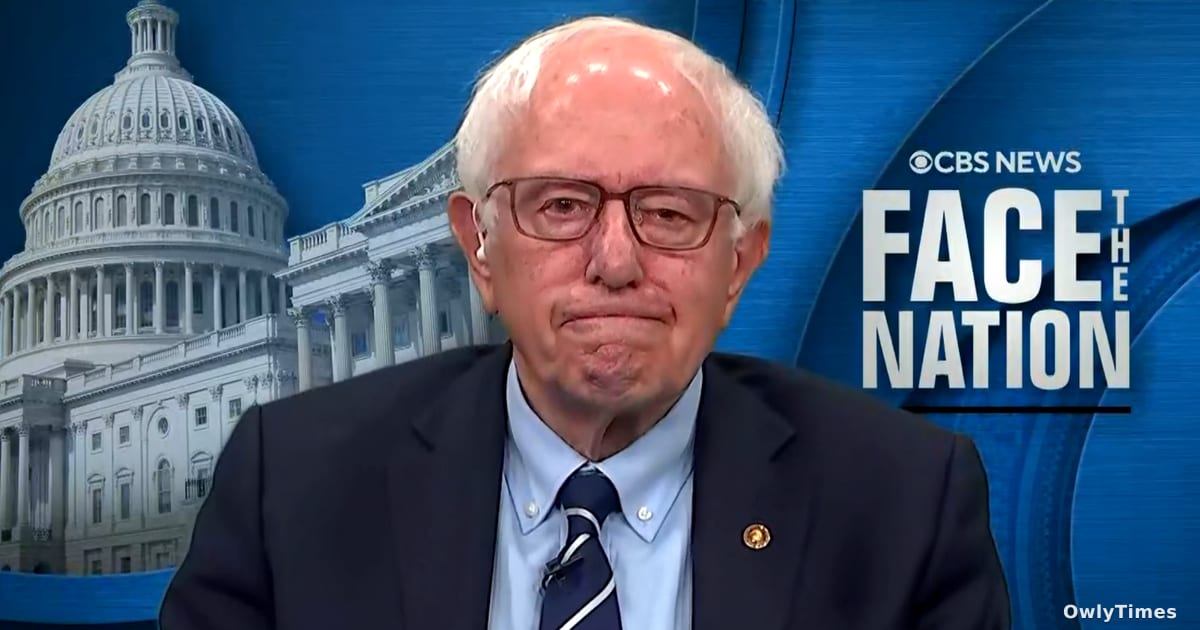
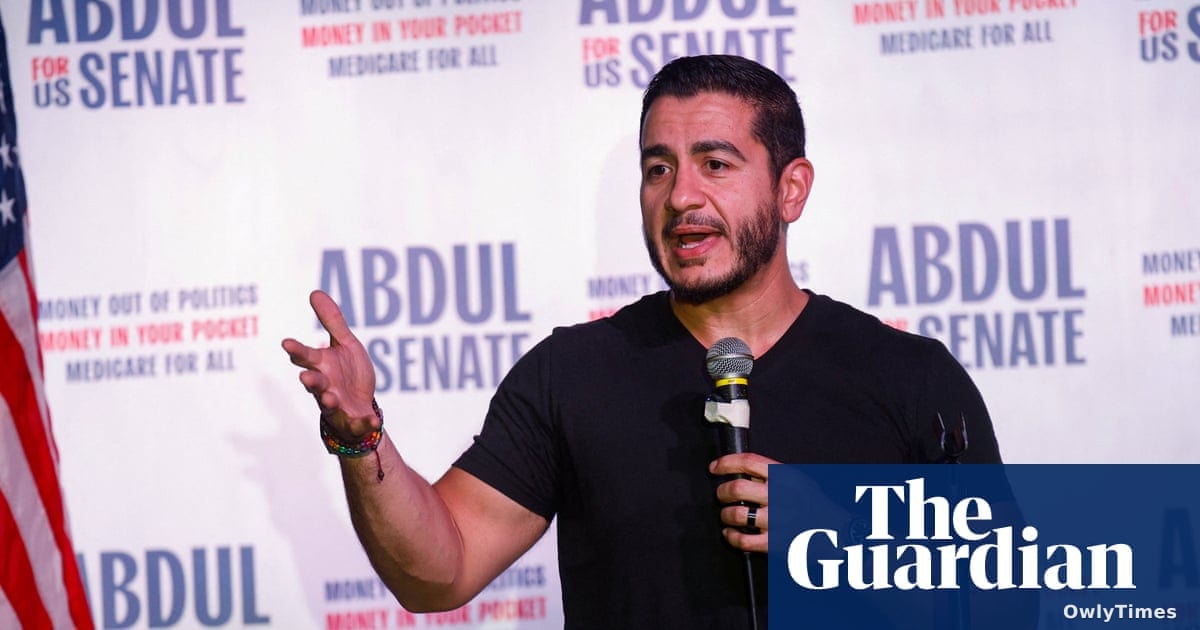
The consolidation was cemented when Jackson's primary rivals withdrew in rapid succession. Maine Secretary of State Shenna Bellows dropped out on Sunday morning, stating that Democrats did not have a day to waste in unifying. By Sunday evening, former Maine CDC Director Nirav Shah also suspended his campaign and endorsed Jackson. They were quickly followed by Dan Kleban, the co-founder of Maine Beer Company, and progressive candidate Jordan Wood, who reversed his initial pledge to stay in the race to endorse Jackson late Sunday night.
Who Benefits and Who Loses in the Power Shift
An analysis of this sudden realignment reveals a distinct set of political winners and losers. Jackson benefits immensely, inheriting a ready-made progressive base and avoiding a costly, divisive primary campaign. Progressive organizations like Our Revolution, which originally backed Platner, have also won by quickly transferring their organizational strength to Jackson, a logger with strong union roots. Conversely, moderate and alternative progressive factions lose their chance to reshape the ticket, having been forced to capitulate to the party's rapid rush for consensus. Collins, meanwhile, loses the advantage of facing a fractured, bickering Democratic opposition, though she gains a target in Jackson, whose past association with Platner may prove a liability.
The rush to replace Platner carries strong historical echoes of Bellows' own political trajectory. In 2014, Bellows ran against Collins as the Democratic nominee and suffered a landslide defeat. According to ABC News, Bellows has since attributed that loss to a lack of establishment backing and resources. The current scramble represents the polar opposite: an aggressive, top-down alignment designed to avoid the disorganized fate of previous campaigns and instantly build a competitive statewide apparatus.
The Progressive Platform and Regional Friction
To win in November, Jackson must capture the enthusiasm of Platner’s progressive base, which delivered more than 150,000 votes in the June 9 primary. The candidates shared remarkably similar progressive policies, including "Medicare for All" and calls to abolish the U.S. Immigration and Customs Enforcement (ICE) agency. This policy alignment was thrust into the spotlight following the fatal shooting of Johan Sebastián Durán Guerrero, a 26-year-old Colombian national, by an ICE officer in Biddeford, Maine. During a debate on July 16, 2026, Jackson called ICE a "rogue agency," while Wood suggested replacing it with an agency that has public trust.
Despite the show of unity, regional and strategic friction remains. Before dropping out, Shah publicly questioned Jackson's statewide electability, noting on "Meet the Press Now" that Jackson had finished third in the gubernatorial primary and might struggle to unify all geographic regions of the state. Additionally, Wood raised concerns about Jackson’s vocal support for Platner during their previous joint campaigning, suggesting that Republicans could easily weaponize those ties in the general election.
The Bangor Convention and the July 27 Deadline
The next critical political chess move occurs on July 25, 2026, when the 601 delegates convene in Bangor to formally vote on Platner's replacement. While the county delegates chosen over the weekend are not legally bound to support Jackson, his overwhelming delegate majority makes his formal nomination a foregone conclusion. Under Maine state law, the Democratic Party has until a hard deadline of July 27, 2026, to officially submit its new nominee to the state. Analysts will watch the Bangor convention closely to see if Jackson can successfully bridge the geographic divide between northern working-class voters and southern progressive activists, or if lingering resentment over the party's top-down consolidation will disrupt the floor vote.