
The Calculus of Collaboration: Mamdani’s Gambit with Trump
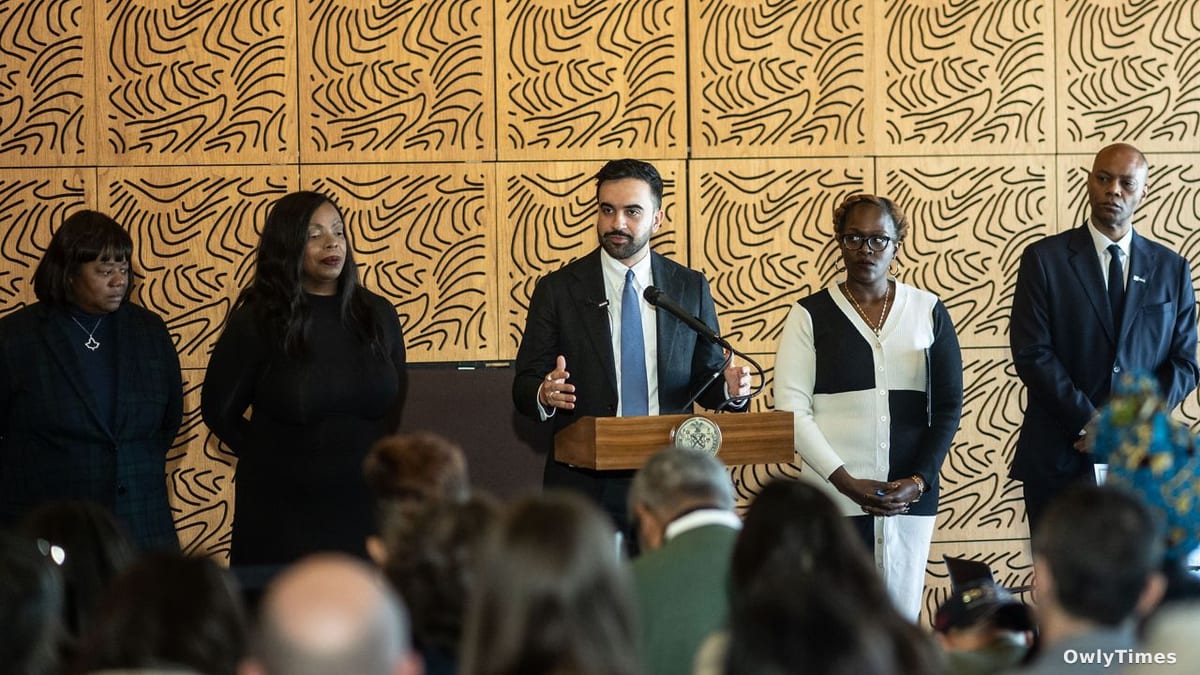
Mayor Zohran Mamdani’s Friday press conference wasn’t about explaining a policy win, but managing a political contradiction. The strategic calculation behind the surprise White House meeting with President Donald Trump isn’t about shared ideology – it’s about demonstrable results for a mayor facing pressure from multiple fronts. The immediate release of Ellie Aghayeva, a Columbia University student detained by ICE, provides that result, but at a cost that reveals a complex power dynamic. This wasn’t a cordial chat; it was a targeted negotiation, leveraging a key Democratic priority – immigration relief – to gain leverage on another: federal support for a massive housing project. The optics are jarring, but the underlying logic is brutally pragmatic.
The narrative being carefully constructed is one of bipartisan problem-solving. Mamdani framed the meeting as a continuation of November discussions, specifically focusing on affordable housing. Presenting Trump with a proposal for 12,000 new homes – “the single largest housing development New York City has seen since 1973” – isn’t simply a policy pitch. It’s a direct appeal to Trump’s core constituency: a promise of economic activity and construction jobs. The timing is crucial. New York City is facing a severe housing crisis, and federal funding is essential to address it. By offering Trump a visible win in a Democratic city, Mamdani attempts to bypass the usual gridlock in Washington. Who benefits? Potentially, New York City residents desperate for affordable housing, and Trump, who can claim credit for a major infrastructure project. Who loses? Those who expect ideological purity from their elected officials, and potentially, any future leverage Democrats might have held over the administration.
This piece references the ny1.com report.
The Aghayeva case serves as the opening bid in this negotiation. The speed of her release – secured “shortly after” the meeting, according to Mamdani – demonstrates Trump’s willingness to engage, and more importantly, to be seen as responsive to a Democratic mayor’s request. This echoes a historical pattern: presidents, even those ideologically opposed to their counterparts, often find it politically advantageous to demonstrate flexibility on individual cases, particularly those involving students or vulnerable populations. President Kennedy’s quiet diplomacy with Soviet Premier Nikita Khrushchev during the Cuban Missile Crisis, utilizing back channels to secure the release of captured U-2 pilot Francis Gary Powers, offers a parallel – a seemingly small concession unlocking a larger, more critical dialogue. However, Mamdani also requested the dropping of immigration cases for four other Columbia students, including Mahmoud Khalil, suggesting a broader attempt to establish a pattern of cooperation.
The press conference wasn’t solely focused on the White House. Questions regarding the Manhattan District Attorney’s decision not to pursue assault charges against the individual arrested for throwing snowballs at police officers in Washington Square Park highlighted another pressure point. Mamdani’s dismissive “it’s a snowball fight” comment, while seemingly lighthearted, directly contradicts the strong stance taken by Police Commissioner Jessica Tisch, who emphatically stated she “will not tolerate any attacks on my cops.” This divergence reveals a tension between the mayor’s desire to project a progressive image and the need to maintain a working relationship with the NYPD. The DA’s decision, and Mamdani’s response, will likely fuel the ongoing debate about policing and public safety in the city. The political risk here is alienating both the progressive base and the law enforcement community.
The next political chess move to watch is Trump’s response to the housing proposal. Will he publicly endorse the project, offering concrete commitments of federal funding? Or will he use it as leverage for further concessions from Mamdani, potentially on issues beyond housing and immigration? The answer will reveal whether this was a genuine attempt at bipartisan collaboration, or simply a calculated gamble by a mayor navigating a treacherous political landscape. The question isn’t whether Mamdani compromised his principles, but whether the compromise yielded tangible benefits for his constituents – and whether Trump will hold up his end of the bargain.