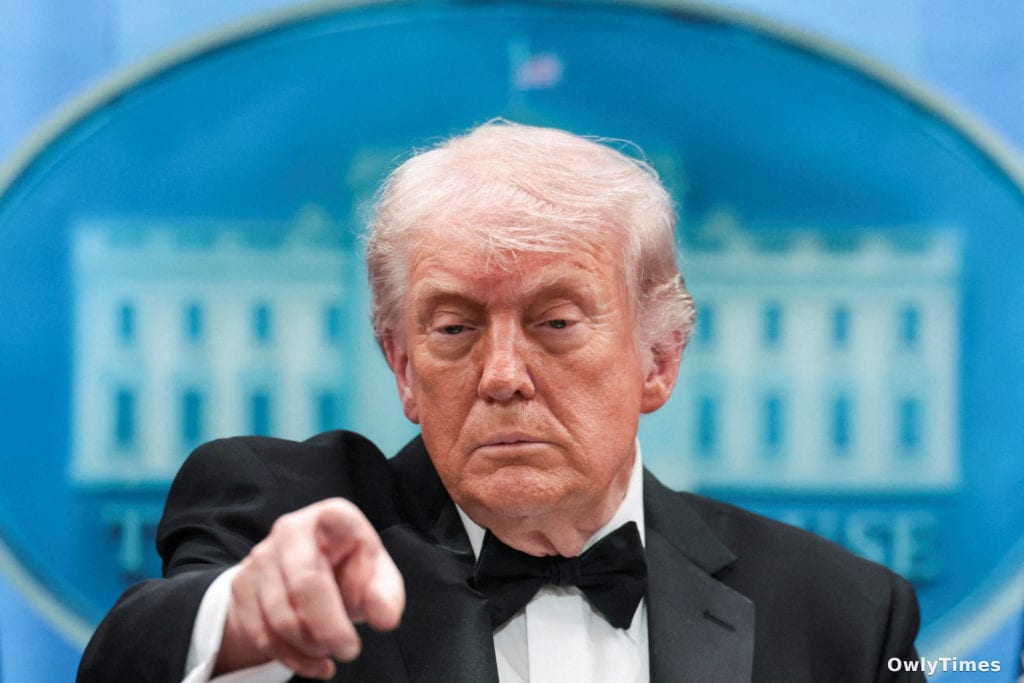

The strategic calculus behind the latest security breach at the White House Correspondents' Association dinner suggests a pivot point in the administration’s narrative architecture. By framing the arrest of Cole Tomas Allen, a 31-year-old from Torrance, California, not merely as a localized security failure but as the "third attempt" on his life in under two years, President Donald Trump is re-centering his political identity around the mantle of the besieged leader. This framing serves a dual purpose: it reinforces his claim to being an "impactful" figure, drawing direct, if heavy-handed, parallels to the assassination of Abraham Lincoln, while simultaneously creating a moral imperative for his opponents to temper their criticisms in the name of national unity.
Who benefits and who loses from this shift? Trump benefits by neutralizing the potential for a hostile environment at a venue traditionally dominated by the media establishment. By telegraphing his intention to deliver a "speech of love" rather than his planned rebuke of the press, he effectively disarmed his critics before they could strike, shifting the optics from a political confrontation to a moment of shared human vulnerability. Conversely, the opposition loses the ability to frame the President as an aggressor in the immediate aftermath of the incident, as the political temperature is suddenly forced toward a cooling period.
The Calculus of Conflict
The tension between Trump’s conciliatory rhetoric and his long-standing operational style remains a defining contradiction of his presidency. While he publicly called for the country to "resolve our differences" following the incident, his private and subsequent public comments—such as branding the suspect a "sick, bad person" and using the event to lobby for the construction of a "Militarily Top Secret Ballroom" at the White House—signal that the tactical shift is likely ephemeral.
Historical precedent suggests that these moments of unity are often short-lived. Following the 2024 shooting in Butler, Pennsylvania, and the September incident in West Palm Beach, Florida, where Secret Service agents fired at an armed man, the President’s call for healing was quickly supplanted by renewed attacks on "radical" Democrats. Much like the post-Butler rally, where the rhetoric shifted from personal survival to contested claims regarding the 2020 election, the current "speech of love" narrative appears to be a temporary atmospheric adjustment rather than a fundamental policy realignment.
Administrative Vulnerability and Security Optics
The involvement of the first lady, Melania Trump, who was present during this latest incident, adds a new layer of domestic urgency to the administration’s security posture. Acting Attorney General Todd Blanche has identified the current climate of "polarizing rhetoric" as a contributing factor to these threats, framing them as uniquely "disgusting" compared to historical patterns of violence against leadership. By positioning the administration as the victim of a societal rot, the White House is attempting to shift the burden of responsibility onto the media and political rivals to police their own speech.
The political chess move to watch next will be the upcoming progress of the "ridiculous ballroom lawsuit." As Trump uses the security incident to justify the demolition of the East Wing for his new, reinforced ballroom, the legal and regulatory hurdles surrounding this construction will provide a measurable signal of his executive reach. Whether the administration can successfully bypass these legal challenges under the guise of "national security" will determine if this security crisis serves as a genuine catalyst for long-term structural changes at the White House.