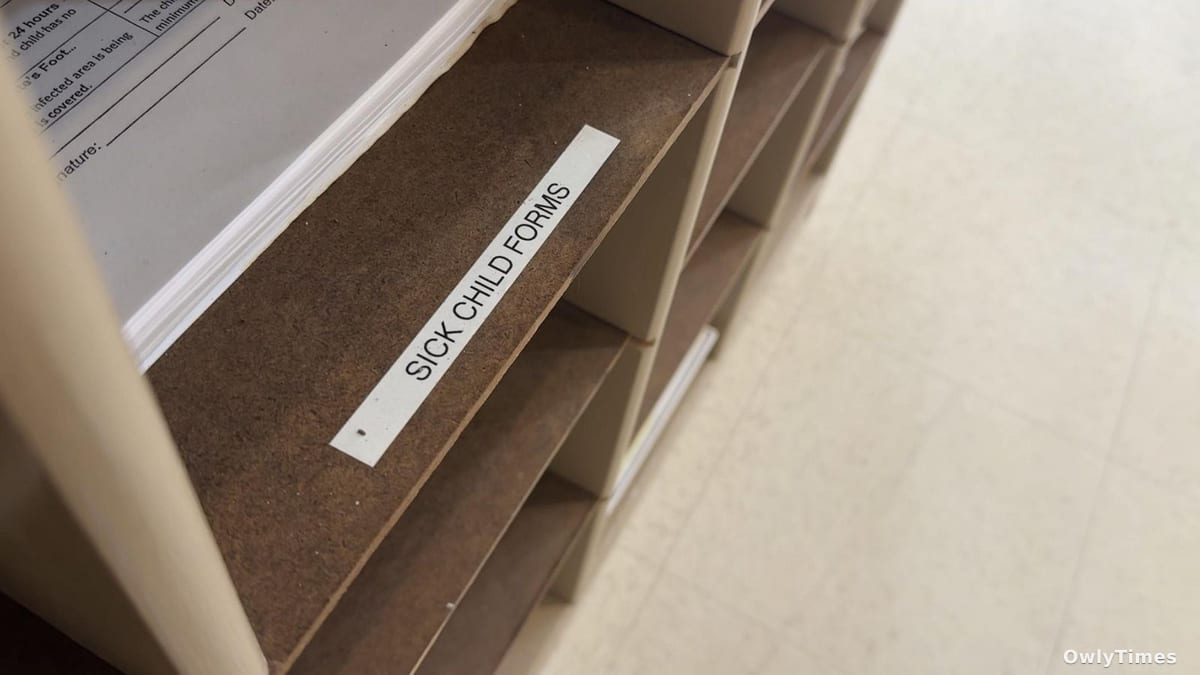

Is a childhood illness making a comeback because we’ve forgotten how easily things can unravel? The headlines about rising measles cases in North Carolina, and the scramble by childcare centers like the Method Child Development Center in Wake County to verify vaccination records, aren’t just a public health story. The real story here isn’t about a virus – it’s about a fraying social contract, and the creeping erosion of trust in institutions designed to protect us from precisely this kind of threat.
Since December, North Carolina has confirmed 24 measles cases, with a disproportionate 19 affecting children 17 and under. Martinique McLaughlin, director of the Method Child Development Center, understandably calls the situation “scary.” She’s not alone. Parents are understandably anxious, and centers are responding by tightening protocols – demanding vaccination records upfront, rather than waiting the 30 days allowed by state law. This isn’t overreaction; it’s a rational response to a predictable risk. But it also highlights a deeper problem: we’re now relying on individual centers to pick up the slack where systemic public health infrastructure is showing cracks.
Drawn from wral.com.
The numbers are stark. The CDC states a single dose of the MMR vaccine is 93% effective, climbing to 97% with two doses. Yet, to achieve herd immunity and prevent outbreaks, we need at least 95% coverage. In Wake County, a concerning 28% of schools fall below that threshold. Rebecca Kaufman, Wake County Public Health Director, points to the obvious: “Most of the cases we've seen across North Carolina were not vaccinated.” This isn’t a mystery. It’s a direct consequence of declining vaccination rates, fueled by misinformation and a growing skepticism towards medical consensus.
What’s particularly unsettling is the speed at which measles can spread. This isn’t like the flu, where a few days of rest might suffice. Measles is a highly contagious respiratory virus that can linger in the air for hours after an infected person has left a room. Symptoms – high fever, cough, runny nose, the telltale rash – appear 7-14 days after exposure, making containment a logistical nightmare. The state mandates MMR vaccination for childcare attendance, with medical and religious exemptions, but enforcement relies heavily on centers like Method proactively verifying records. This places an undue burden on already stretched resources.
The response from centers like Method – increased cleaning, transparent communication with parents, immediate notification of potential exposures – is commendable. McLaughlin’s willingness to be upfront, even with difficult information, builds a crucial layer of trust. But this is damage control, not prevention. The fact that parents are hesitant to send their children to daycare, as McLaughlin notes, speaks volumes about the broader anxiety surrounding public health. It’s a symptom of a system where preventative measures have been allowed to lapse, and individual responsibility is increasingly expected to fill the void.
This isn’t just a local issue. The resurgence of measles is a national trend, mirroring a broader decline in confidence in public health institutions. We’ve become accustomed to thinking of infectious diseases as relics of the past, thanks to decades of successful vaccination programs. But that success bred complacency. Now, we’re seeing the consequences of underfunding public health infrastructure, allowing misinformation to flourish, and prioritizing individual “freedom” over collective well-being. The current scramble to verify vaccination records is a band-aid on a much larger wound.
Looking ahead, expect to see a push for stricter vaccination requirements, not just for childcare, but potentially for school attendance as well. But policy changes alone won’t solve the problem. The real challenge will be rebuilding trust – not just in vaccines, but in the institutions responsible for protecting public health. The question isn’t if another outbreak will occur, but when – and whether we’ll be better prepared to respond, or if we’ll continue to rely on individual childcare centers to hold the line against a preventable disease.





