
The emergence of a shadow scientific body dedicated to autism research isn’t simply a response to controversial appointments; it’s a symptom of a broader erosion of trust in science-driven policy, and a critical question arises: can independent scientific efforts effectively counterbalance politically motivated agendas when it comes to public health? Just weeks after Robert F. Kennedy Jr., as Health and Human Services Secretary, appointed 21 new members to the Interagency Autism Coordinating Committee (IACC), a newly formed Independent Autism Coordinating Committee is convening to offer an alternative, science-based perspective. This isn’t a case of disagreeing on priorities within autism research – it’s a fundamental dispute over the very foundation of how that research is approached and interpreted.
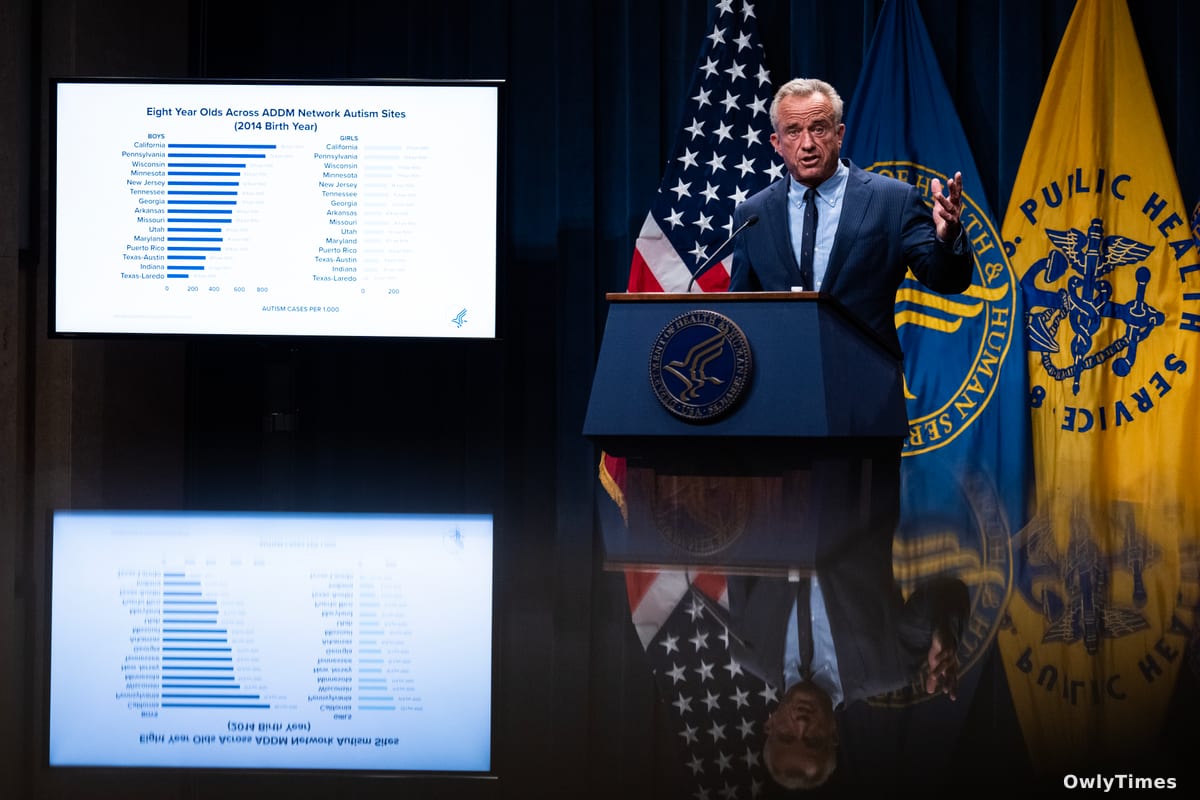
The IACC, a federal entity designed to advise the government on autism research and services, has, according to members of the new independent committee, been fundamentally altered by Kennedy Jr.’s appointments. Many of the new appointees are described as supporters of his “Make America Healthy Again” initiative and, crucially, share his previously debunked belief that vaccines can cause autism. This isn’t a novel position for Kennedy Jr., but its elevation to a position of influence within a federal advisory committee prompted immediate concern within the autism science and advocacy community. Helen Tager-Flusberg, professor emerita at Boston University and director of the Center for Autism Research Excellence, and a member of the independent committee, stated plainly, “We in the autism science and advocacy community were just appalled at the way he went about selecting members.” The concern isn’t simply about disagreement, but about the “hijacking” of the committee by an “ideological agenda” that doesn’t reflect current scientific understanding.
The independent committee, announced on March 3rd, is deliberately constructed as a counterweight. It includes five former members of the IACC, two former directors of the National Institute of Mental Health, prominent scientists, representatives from autism advocacy organizations, and, notably, one autistic individual – Eric Garcia, author of We’re Not Broken: Changing the Autism Conversation. While Garcia acknowledges the committee’s positive steps, he also points to a continuing imbalance: “I wish that there was more representation of autistic people. I feel like they’re being once again shoved to the side.” This highlights a persistent tension within autism research and advocacy – the need to amplify autistic voices, even within efforts designed to protect scientific integrity. Alison Singer, president of the Autism Science Foundation and a driving force behind the independent committee, emphasizes the urgency of the situation, stating that every dollar spent revisiting disproven links between vaccines and autism is a dollar diverted from genuine research into the condition’s causes and effective support strategies.
The formation of this independent committee mirrors a similar response last year to concerns about Kennedy Jr.’s influence on vaccine policy. The Vaccine Integrity Project, established at the University of Minnesota, emerged after changes were made to the CDC’s Advisory Committee on Immunization Practices. Both initiatives demonstrate a growing trend: when scientists perceive a political interference with evidence-based decision-making, they are increasingly willing to create parallel structures to continue their work. The independent autism committee intends to produce reports for Congress and engage with the National Institutes of Health and the Centers for Disease Control and Prevention, mirroring the functions of the IACC. However, its reliance on non-governmental funding introduces a significant limitation. As Garcia points out, “Nothing replaces the official imprimatur of the U.S. federal government, and nobody can spend as much money as the U.S. federal government.”
Reporting from NPR informs this analysis.
Despite this financial constraint, the committee’s focus on privately funded research is strategic. It allows them to direct resources towards areas they deem most promising, potentially bypassing politically motivated restrictions. However, the long-term impact of this independent effort remains uncertain. The original IACC meeting, scheduled to coincide with the independent committee’s launch, was postponed by HHS without explanation – a move seen by many as an attempt to avoid direct confrontation. This postponement underscores the stakes involved. The question now isn’t simply whether the independent committee can produce valuable research, but whether it can effectively influence policy and public understanding in the face of a concerted effort to promote alternative narratives. Will the independent committee’s findings be given equal consideration by policymakers, or will they be relegated to the margins as a dissenting voice? The answer will likely determine the future direction of autism research and support for years to come.