
Beyond Grave Robbing: How Moss Metabolism Rewrote a Cold Case
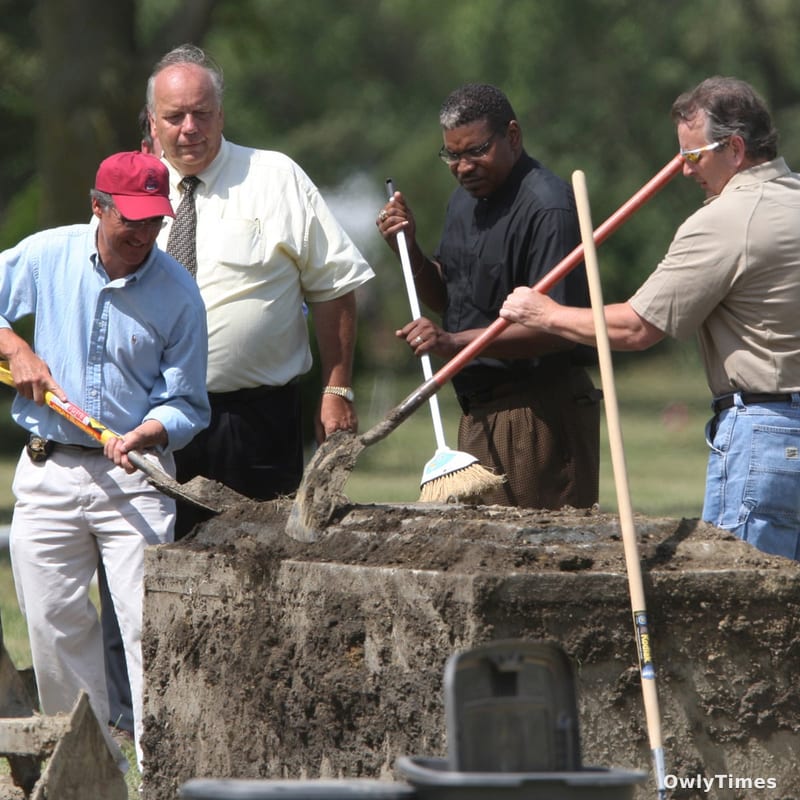
The impulse to profit from grief is tragically not new, but the scale and calculated nature of the crimes at Burr Oak Cemetery in Alsip, Illinois, struck a particularly raw nerve when the scandal broke in 2009. Four cemetery workers weren’t simply desecrating graves; they were systematically exhuming bodies, reburying them haphazardly to make room for resold plots, and exploiting the vulnerability of families mourning their loved ones. While initial investigations uncovered the disturbing physical evidence of displaced remains, it was a seemingly insignificant clump of moss – and a surprising understanding of its biology – that ultimately provided crucial forensic evidence leading to convictions. The case, now detailed in Forensic Sciences Research, isn’t just about justice for those wronged at Burr Oak; it’s a demonstration of how unexpected corners of the natural world can become powerful tools in modern criminal investigation.
See the original The Guardian story for the full account.
The initial shock of the Burr Oak scandal stemmed not only from the act itself, but from who was affected. Emmett Till, the 14-year-old whose brutal murder in 1955 galvanized the civil rights movement, was among those whose remains were disturbed. The cemetery also held the final resting place of blues legend Dinah Washington, making the desecration a profound loss for African American history and cultural heritage. Local police quickly identified the disturbing pattern of reburied remains, but establishing when the crimes occurred proved challenging. The defense mounted by the accused centered on distancing themselves from the timeline, claiming the exhumations predated their employment at the cemetery. This is where the expertise of Dr. Matt von Konrat, head of botanical collections at the Field Museum in Chicago, became indispensable.
In 2009, the FBI contacted Dr. von Konrat, presenting him with a small piece of moss recovered from the disturbed burial sites. The initial question was simple: could he determine the moss’s origin? Through microscopic analysis and comparison with the Field Museum’s extensive collection of dried specimens, Dr. von Konrat identified the moss as Fissidens taxifolius, commonly known as common pocket moss. Crucially, a survey of the cemetery revealed the moss didn’t naturally grow in the areas where the bodies were found, but thrived in a specific, lightly shaded area near trees – the suspected staging ground for the exhumations. This established a direct link between the disturbed remains and the crime scene, but it didn’t pinpoint when the moss, and therefore the bodies, had been moved.
The breakthrough came from understanding that moss isn’t simply “alive” or “dead.” Even when appearing dormant, mosses retain a surprising level of metabolic activity. Dr. von Konrat and his team leveraged this biological quirk, measuring the moss’s photosynthetic efficiency – how much light it absorbed and re-emitted – to gauge its recent activity. By comparing the metabolism of the moss found with the remains to that of fresh samples collected from the cemetery and preserved specimens from the museum, they determined the moss had been buried for less than 12 months. This timeframe directly contradicted the defense’s claim that the crimes occurred years prior, providing critical evidence for the prosecution. Doug Seccombe, a former FBI agent involved in the case and co-author of the study, affirmed that the plant material was “key” to securing the convictions at trial.
It’s important to acknowledge the limitations of this methodology. While the 12-month window was crucial, it’s still a relatively broad estimate. Factors like soil composition, moisture levels, and even subtle variations in light exposure could influence moss metabolism, introducing a degree of uncertainty. Furthermore, the study focused on a single species of moss; the applicability of this technique to other plant life, or even different moss species, requires further investigation. The success of this forensic application also relies heavily on the existence of well-curated natural history collections like those at the Field Museum, highlighting the often-overlooked importance of these institutions.
Looking ahead, Dr. von Konrat hopes this case will encourage wider adoption of “forensic botany” – the use of plant evidence in criminal investigations. He wonders, for example, if similar metabolic analyses could be applied to pollen grains found on clothing or vehicles, potentially linking suspects to specific locations. The question now isn’t simply can plants help solve crimes, but where else have we been overlooking crucial evidence in the natural world? As climate change alters plant distributions and growing seasons, understanding the subtle signals encoded within plant life may become even more critical for unraveling complex forensic puzzles.