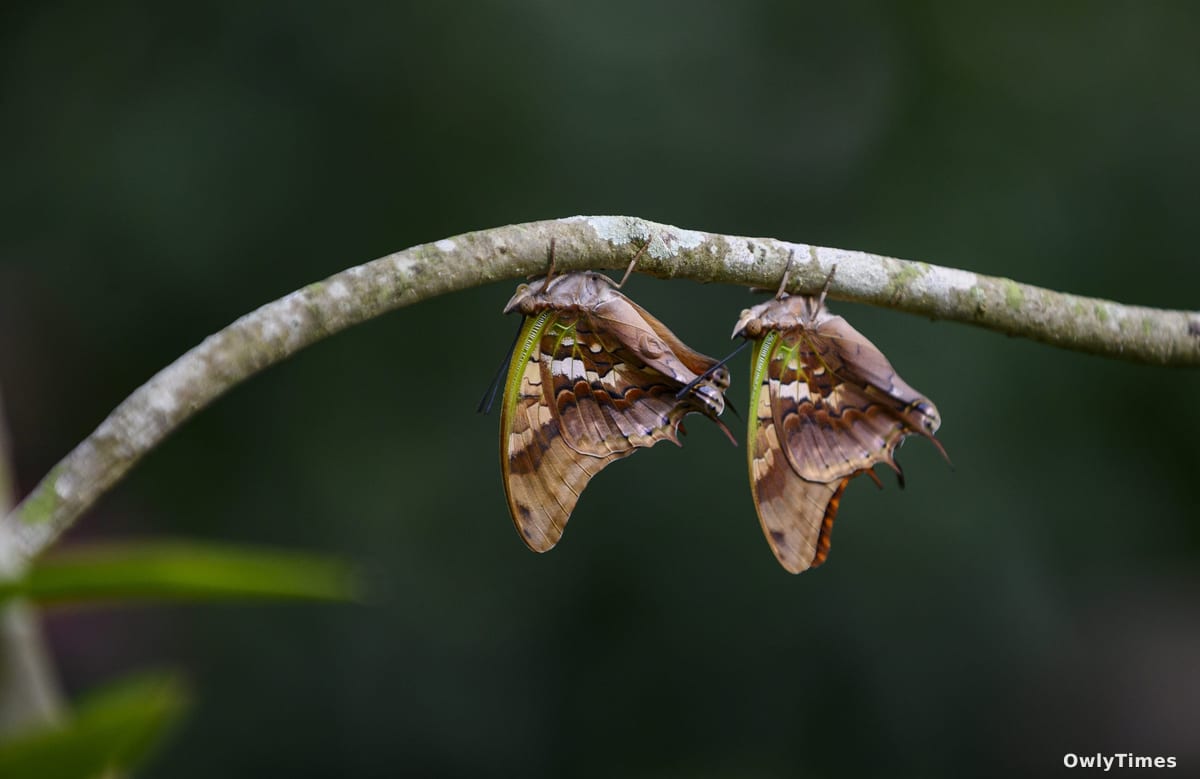

For centuries, the fluttering wings of moths and butterflies have captivated human imagination, appearing in art, literature, and scientific inquiry alike. But beyond their aesthetic appeal lies a world of astonishing biological complexity, one that scientists are only beginning to unravel. A recent review article, published in Nature Reviews Biodiversity by researchers at institutions including the Florida Museum of Natural History and the Wellcome Sanger Institute, doesn’t simply catalog what we know about Lepidoptera – the collective name for moths and butterflies, representing nearly 10% of all animal species – it highlights how much remains a mystery, even within a group so frequently studied. The urgency of this knowledge gap isn’t academic; with insect populations globally in decline, understanding the evolutionary history and ecological needs of these creatures is paramount to their conservation.
The narrative of moth and butterfly evolution isn’t a straightforward climb up a phylogenetic tree. It’s a story punctuated by surprising twists, including instances of genetic borrowing from bacteria and fungi. Around 300 million years ago, the ancestors of moths faced a significant hurdle: consuming land plants, which evolved a formidable arsenal of chemical defenses. Researchers discovered that moths didn’t evolve this ability in isolation. Instead, they acquired a crucial gene from fungi, enabling them to digest tough plant tissues and detoxify harmful compounds. This horizontal gene transfer, the process of genetic material passing between organisms outside of traditional reproduction, was a pivotal moment, laying the foundation for the diversification of moths. It’s a reminder that evolution isn’t always a solitary endeavor, but can be a collaborative, even opportunistic, process.
This piece references the floridamuseum.ufl.edu report.
This initial adaptation, however, didn’t define the entire group. While most Lepidoptera larvae are voracious leaf-eaters – some caterpillars consuming more biomass than all other animals in their environment combined – a small subset, roughly 10% known as non-ditrysians, possess functioning jaws and a remarkably diverse morphology. These “jawed moths” represent a glimpse into the ancestral state of the group, a time when a wider range of feeding strategies existed. The fossil record from this early period is sparse, but the persistence of these archaic moths, like the Agathiphagidae, found only in remote corners of Australia and the Pacific Islands, suggests a once-greater diversity now drastically reduced. Their specialized diets and limited ranges make them particularly vulnerable, underscoring the fragility of evolutionary legacies.
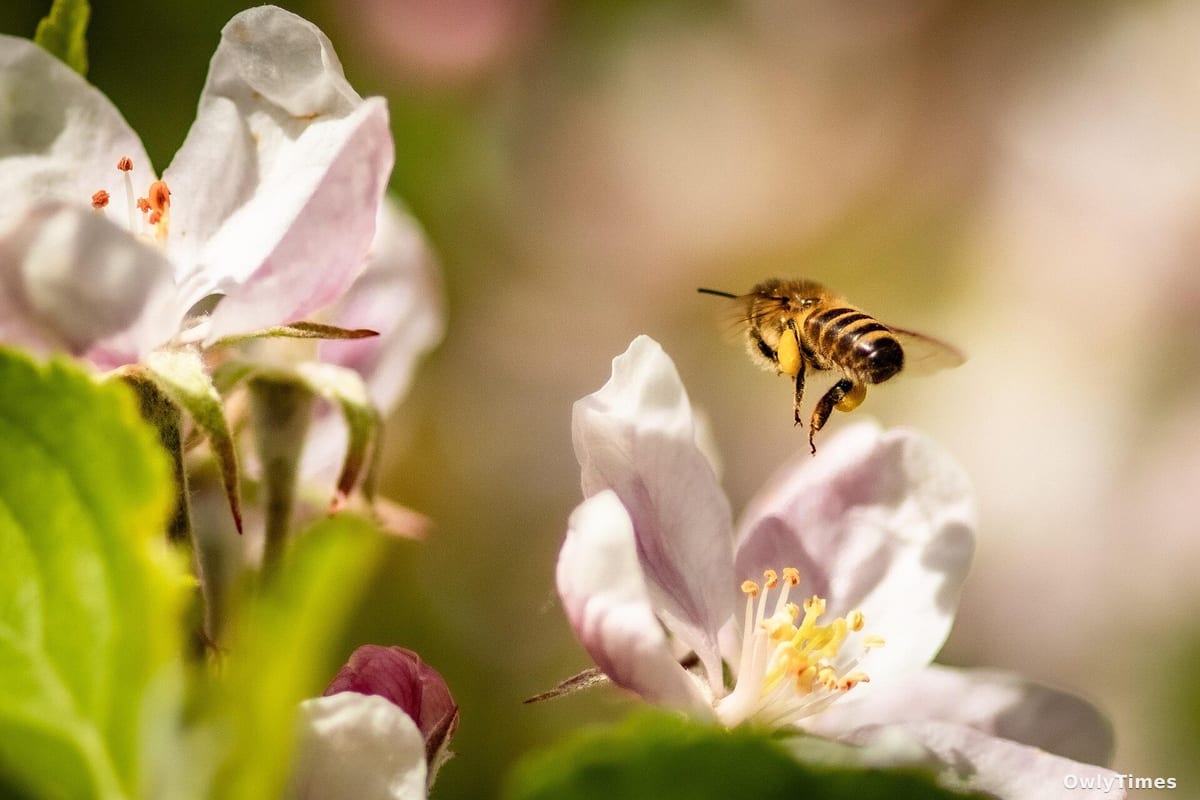
A key innovation in moth and butterfly evolution was the development of the proboscis, the long, straw-like appendage used to sip nectar. This coincided with another instance of horizontal gene transfer, this time from bacteria, granting moths the ability to efficiently process plant sugars. Interestingly, the proboscis evolved before flowers, initially used to access nutrient-rich droplets secreted by gymnosperms – cone-bearing plants – as an attractant for insect pollination. This early co-evolutionary relationship between insects and plants demonstrates a remarkable foresight, a botanical strategy to leverage insect behavior for reproductive success long before the vibrant displays of flowering plants dominated the landscape. The subsequent evolution of flowers, and the diversification of butterflies as day-flying nectar feeders, built upon this foundation.
The emergence of bats around 55 million years ago introduced a new selective pressure. Nocturnal moths responded with a suite of adaptations, including the evolution of sensitive hearing organs tuned to detect bat echolocation and, in some species, the production of ultrasonic clicks to startle or confuse their predators. This ongoing evolutionary arms race highlights the dynamic interplay between predator and prey, driving innovation and diversification on both sides. The complexity of these adaptations, often utilizing repurposed body parts – even genitalia – underscores the ingenuity of natural selection.
Recent advances in genomic sequencing, fueled by large-scale initiatives like Project Psyche (aiming to sequence all European moth and butterfly genomes) and the Earth Biogenome Project (with the ambitious goal of sequencing all 1.8 million eukaryotic species), are revolutionizing our understanding of Lepidoptera evolution. Scientists can now trace the genetic basis of adaptations, like the chromosome fragmentation observed in the Atlas blue butterfly, which boasts the highest known chromosome number of any animal. Furthermore, genomic data from museum specimens, like those of the extinct Xerces blue butterfly, can reveal historical population declines and genetic vulnerabilities, providing crucial insights for modern conservation efforts. However, it’s important to note that genomic data alone doesn’t tell the whole story. Environmental factors, habitat loss, and pesticide use all play significant roles in insect declines, and a holistic approach is necessary for effective conservation.
The study’s authors, led by senior author Akito Kawahara of the Florida Museum, emphasize that despite decades of research, we are still in the early stages of understanding Lepidoptera. “Even though moths and butterflies are a well-studied group, we’re just now beginning to understand some of the most basic facts about their evolution and conservation needs,” Kawahara stated. The current decline in moth and butterfly populations, attributed to factors like pesticide use, habitat destruction, and light pollution, underscores the urgency of this research. These insects aren’t merely beautiful additions to the ecosystem; they are vital pollinators, a crucial link in the food chain, and sensitive indicators of environmental health.
Looking ahead, the next critical step is expanding genomic studies to underrepresented regions, particularly in Africa, South America, and Asia, where Lepidoptera diversity is highest but data is most limited. We need to move beyond simply documenting species presence and absence to accurately assessing population sizes and tracking changes over time. And perhaps most importantly, we need to translate this scientific knowledge into actionable conservation strategies, from reducing pesticide use and protecting habitats to mitigating light pollution and promoting pollinator-friendly gardens. The question isn’t simply can we save these magnificent creatures, but will we prioritize their survival before their silent disappearance signals a broader ecological crisis?