
Why do we still rely on transit infrastructure that belongs in a maritime museum? When a vessel commissioned during the outbreak of World War II ends up at the bottom of the ocean, the real story here isn’t just the tragic mechanical failure—it’s the dangerous gap between our reliance on aging industrial assets and the modern safety standards we assume protect us.
The MV Barima, a 40-meter vessel originally built in 1939, capsized late Saturday night while navigating the route between Guyana’s capital, Georgetown, and Port Kaituma. According to the BBC, the ferry was carrying a total of 116 passengers and crew when it began to sink near Iron Punt. The vessel, which remains a vital link for cargo and transport in the North West District, according to Euronews, issued a distress signal at approximately 23:01 local time.
The Math of Disaster
While the immediate focus is on the human cost, the logistical response highlights the chaos inherent in maritime emergencies. As of Sunday, 53 people have been confirmed rescued, a figure corroborated by both the BBC and Al Jazeera. Guyana’s Prime Minister Mark Phillips has expressed optimism that the number of survivors will rise as the search continues through daylight hours, a sentiment he shared alongside updates on his Facebook page.
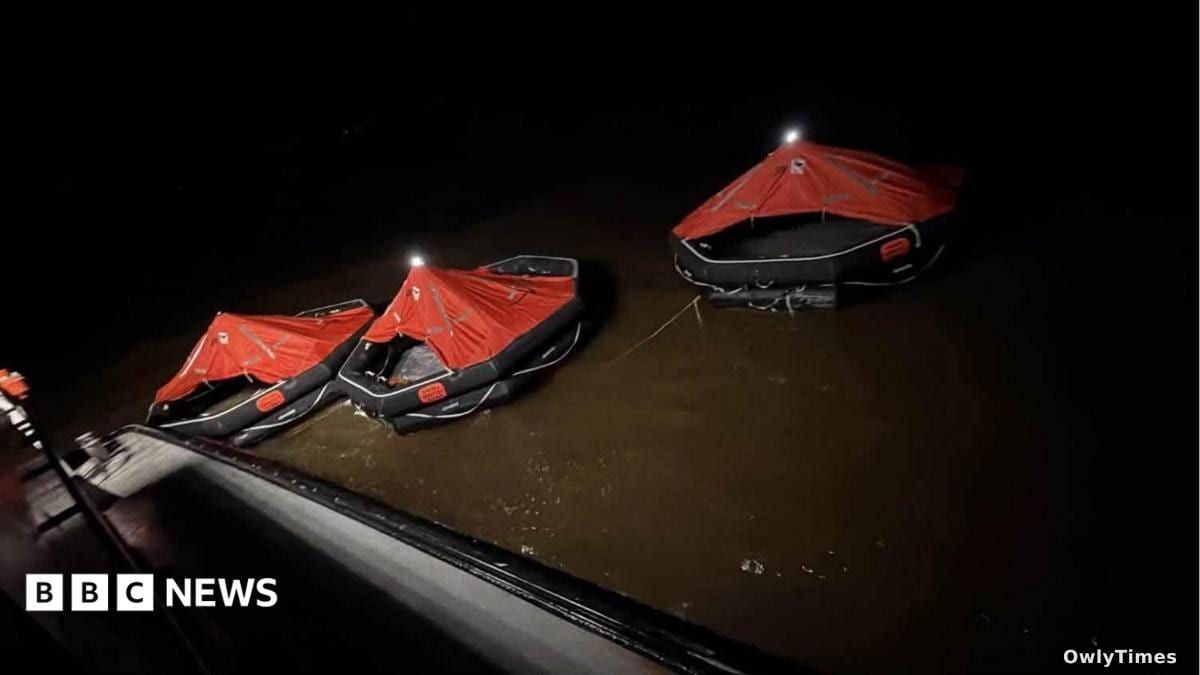
The discrepancy in equipment reporting between sources provides a window into the confusion on the ground. Al Jazeera reports that the ferry was outfitted with eight lifeboats, whereas the BBC and Euronews specify the inventory as two rigid life rafts and six inflatable ones. All three outlets agree on the figure of 250 life jackets, a surplus that feels like a grim irony given the current casualty count.
The Hidden Risks of Legacy Tech
We often treat ships like software; we patch them, update their paint, and expect them to perform indefinitely. But hardware has a shelf life that code does not. The MV Barima has been in service for nearly nine decades, a period during which maritime safety regulations have evolved exponentially. Relying on such an antique for public transit is a reminder that in the physical world, "legacy" isn't a badge of reliability—it’s a liability.
Public Works Minister Juan Edghill confirmed that the search effort is a collaborative scramble involving the Guyana coastguard and various private vessels. Medical teams have been dispatched to the area to provide immediate care for those pulled from the water, as the government has established three specific assistance centers for the families of the missing and the rescued.
What Happens When the Rescue Stops
For the ordinary user in Guyana’s North West District, this isn't a theoretical debate about infrastructure—it is the loss of a primary lifeline. The immediate future will be dictated by the government’s next move regarding the status of those still missing. As the rescue phase transitions into a recovery operation, the focus will inevitably shift toward the maritime authorities who permitted an 87-year-old vessel to continue carrying passengers on such a treacherous route. Watch for the official passenger manifest release, which Prime Minister Phillips has promised once medical checks are finalized; that document will be the first concrete step in determining the true scale of the loss.