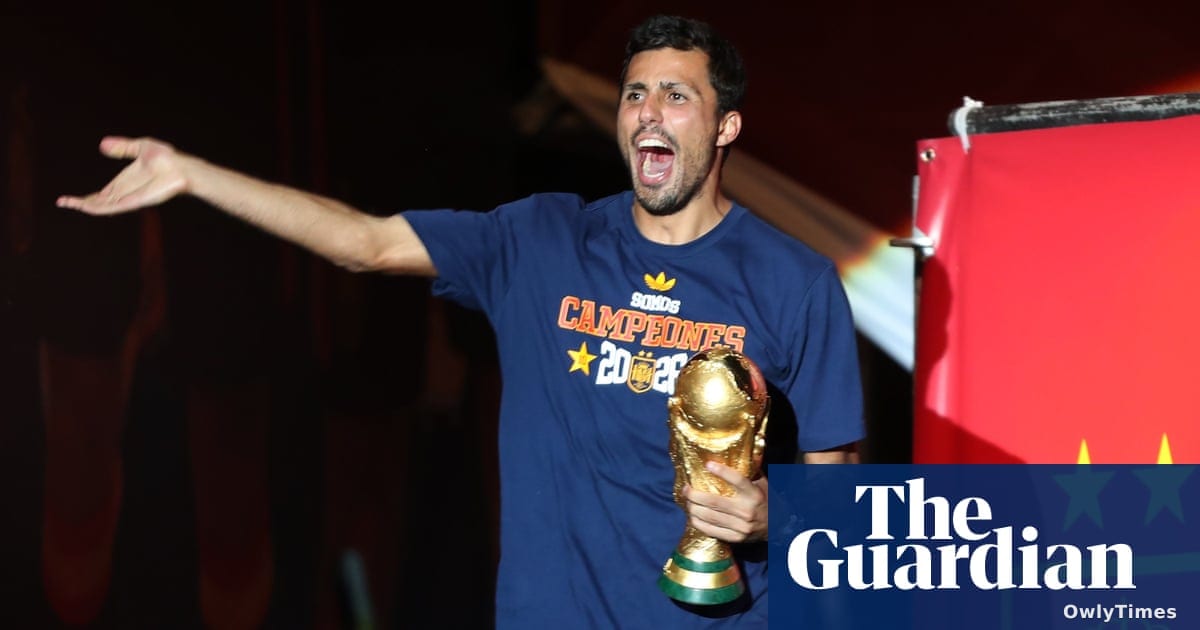

The dust has barely settled on the most expansive FIFA World Cup in history, but for the global football community, the “post-tournament blues” are being met with a sprint toward the new season. After 48 nations battled through 104 matches to produce 308 goals, the focus has shifted from international glory to the high-stakes machinery of club football, according to Al Jazeera. As players return to their club kits, the industry is already grappling with the physical toll of the tournament—most notably at Arsenal, where the club is reportedly seeking defensive reinforcements following an injury to William Saliba during the World Cup, as noted by The Guardian.
The Transfer Market Frenzy
Beyond the headlines of international triumph, the English Premier League is currently defined by a dizzying churn of personnel. Chelsea’s acquisition of Morgan Rogers from Aston Villa for a staggering £117 million stands out as a clear signal of the financial muscle currently dictating the market, per The Guardian. This move has sent ripples through the league, forcing other clubs to scramble; Villa, having lost Rogers, has moved to secure Johan Manzambi from Freiburg for £51 million to plug the gap in their squad.
The human element of these transactions remains a constant source of tension for fans. While Chelsea supporters celebrate the arrival of top-tier talent, the club’s own roster remains in flux, with the potential departure of Enzo Fernández and the hole left by Marc Cucurella’s £52 million move to Real Madrid. The complexity of these moves underscores a broader shift: clubs are no longer just building teams, but managing global assets under the pressure of an increasingly condensed calendar.
A Summer of Rebuilding
The transition from national duty back to club life is rarely seamless. For managers like Mikel Arteta at Arsenal, the focus has moved to bolstering the wings following the departure of Leandro Trossard to Besiktas. The signing of Christos Tzolis for £34 million is a calculated effort to maintain the champions' offensive output, though the club’s defensive vulnerabilities remain a primary concern for the upcoming campaign.
This period of transition is a vital stress test for the industry. As Al Jazeera reports, the Premier League’s new season kicks off in less than a month, with Arsenal set to host Coventry City on August 21. The speed of this turnaround—moving from a global spectacle that captured the world’s attention to the domestic grind—reflects the insatiable nature of the modern sports economy. Whether it is a trivia game hosted by the BBC or the multimillion-pound acquisition of a new midfielder, the industry is working hard to ensure that the excitement of the World Cup does not dissipate, but rather fuels the next nine months of competition.
Looking Toward the Pitch
The upcoming weeks will provide the first real test of how these squad changes hold up under pressure. From the UEFA Super Cup clash between PSG and Aston Villa on August 12 to the Serie A opening weekend on August 22, the calendar is packed with markers that will define the early narrative of the 2026-27 season. For the fans, this is the reality of the modern game: the final whistle of one tournament is merely the starting gun for the next cycle of business and ambition. The true test will be whether these re-tooled squads can survive a season that, for many, begins with an already exhausted core of international stars.