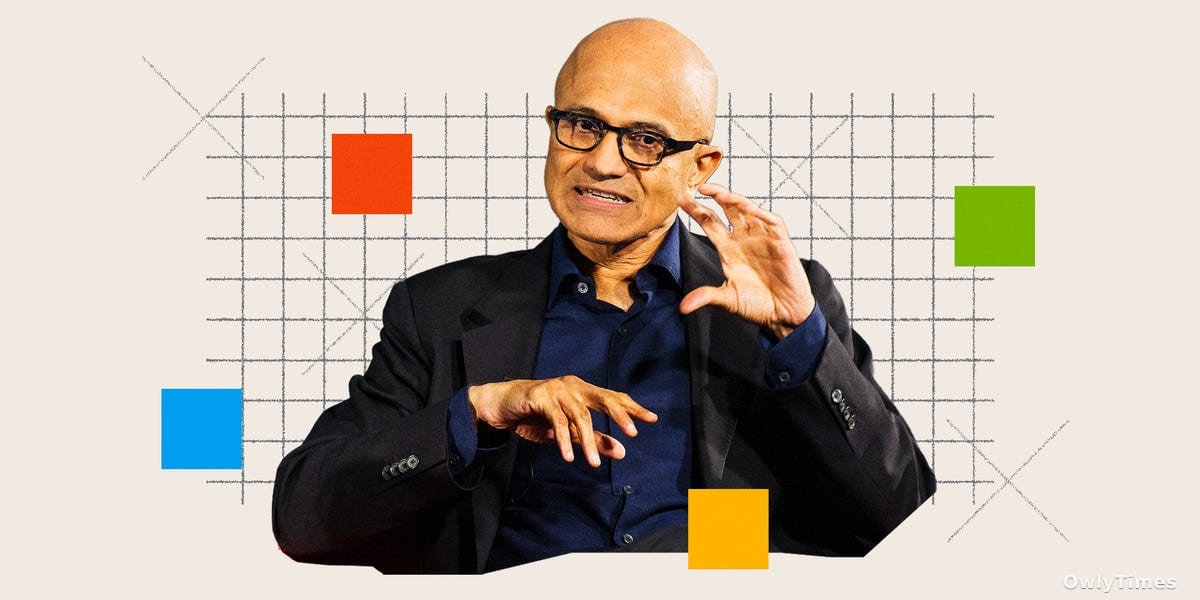

For a 220,000-person organization, the most significant risk is often its own inertia. Microsoft CEO Satya Nadella has reached that conclusion, effectively dismantling the company’s long-standing senior leadership team (SLT) to survive the high-velocity AI race. This structural overhaul is not merely administrative; it is a calculated response to a market environment where the company’s sheer size has become a strategic liability.
Follow the money and the power, and you see a clear shift away from legacy bureaucracy toward a leaner, startup-style operating model. The traditional SLT—once the bedrock of Microsoft’s executive governance—has been quietly retired. In its place, Nadella has instituted a tiered inner circle. A core corporate leadership group, including President Brad Smith, CFO Amy Hood, Chief People Officer Amy Coleman, and Commercial CEO Judson Althoff, now convenes weekly to manage operations. Below this, an engineering leadership group of approximately 35 product and research leaders works in direct coordination, bypassing the traditional managerial layers that historically slowed decision-making.
Engineering Velocity as a Competitive Moat
The urgency of this transition is underscored by recent financial performance. Microsoft’s stock recently endured its worst quarter since the 2008 financial crisis, a signal that investors are losing patience with the capital-intensive nature of the company’s AI investments. To justify the hundreds of billions of dollars poured into AI infrastructure, Nadella is forcing a culture of technical accountability.
He is personally monitoring the progress of these investments, reviewing AI metrics on a weekly basis. This hands-on management style extends to the "Copilot" initiative, where Charles Lamanna, Jacob Andreou, and Ryan Roslansky meet weekly with Nadella to oversee the assistant’s platform, interface, and application strategy. By elevating individuals like Arun Ulag—who was promoted to EVP in April—Nadella is bypassing traditional reporting lines to ensure that critical technical talent has a direct line to the top.
The Cost of Cultural Transformation
This pivot toward agility has exacted a human cost, accelerating the departure of long-tenured executives. The exit of commercial chief marketing officer Yusuf Mehdi and the upcoming retirement of product leader Rajesh Jha mark the end of an era. Even high-profile acquisitions are being recalibrated; Mustafa Suleyman, hired in 2024 to lead a new AI division, now oversees a focused team of roughly 650 employees.
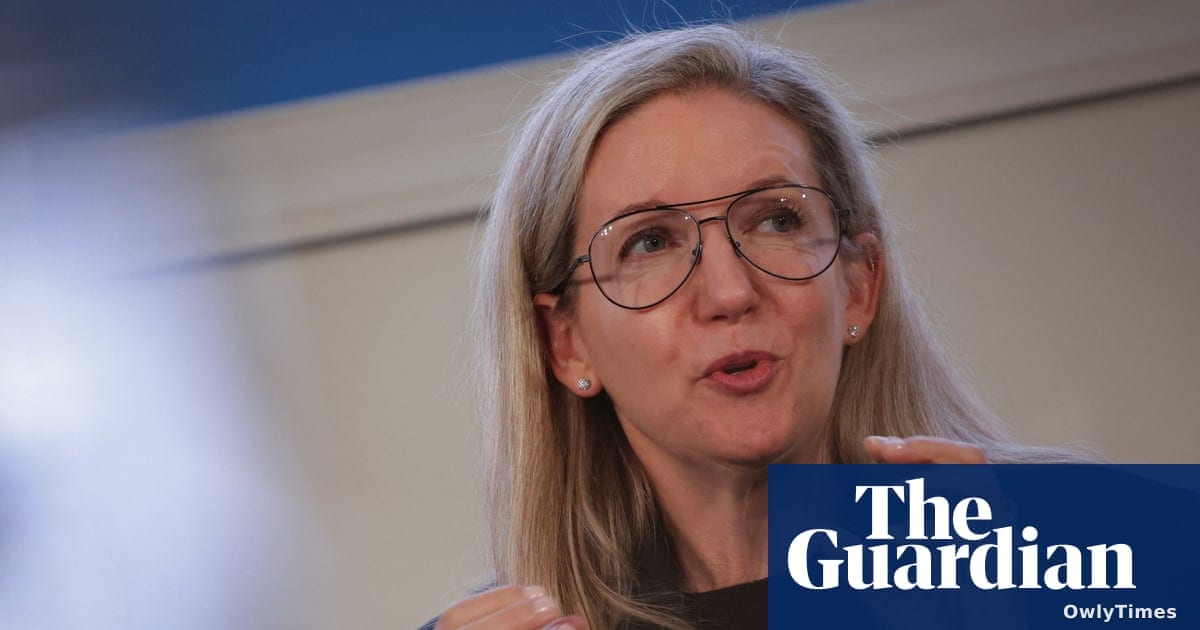
Perhaps most illustrative of Nadella’s "new guard" philosophy is the appointment of Asha Sharma as CEO of Microsoft Gaming in February. Replacing longtime Xbox leader Phil Spencer, Sharma—who joined from Meta and Instacart—represents a break from the "country club" culture Jeff Bezos once famously attributed to Microsoft. By mentoring outsiders and positioning them in high-stakes roles, Nadella is signaling that institutional tenure no longer guarantees influence.
Investor Takeaway: What to Watch
For shareholders and market observers, the transformation is a high-stakes gamble on operational speed. The next reading of the company’s AI-related revenue metrics will serve as the primary indicator of whether this flatter, more aggressive structure is delivering the promised return on investment. With long-term veterans transitioning into advisory roles for six to 12 months to preserve organizational memory, the window for this "reboot" is closing. Investors should monitor the upcoming fiscal year transition on July 1, as that date will mark the first full cycle of the new executive hierarchy in power, providing the first measurable signal of whether Microsoft can truly move at the speed of its smaller, more agile competitors.