
The looming North Carolina Senate race isn’t simply about filling a seat; it’s a calculated maneuver by both parties to exploit a 50-50 Senate and potentially reshape the balance of power in Washington. The anticipated matchup between Roy Cooper and Michael Whatley isn’t a spontaneous outcome, but the result of deliberate recruitment and strategic positioning, reflecting a national trend of focusing resources on a handful of swing states that will determine the next Congress. The stakes are exceptionally high, with control of the chamber potentially hinging on this single contest, scheduled to culminate on November 8, 2026.
The National Democratic Strategy Concentrates on North Carolina
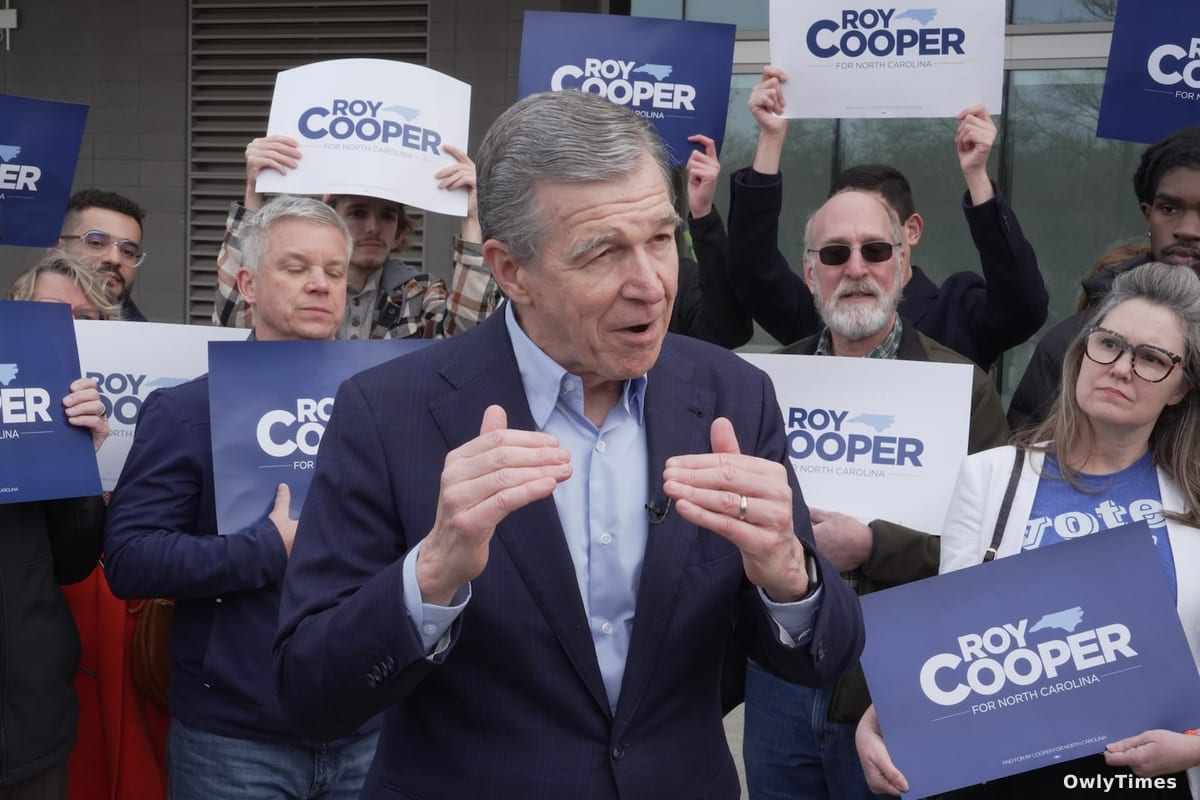
The Democratic Party’s enthusiastic embrace of Roy Cooper as their Senate candidate signals a shift in their approach to winning Senate seats. Traditionally, Democrats might have prioritized defending incumbents or targeting open seats in reliably blue states. However, with the Senate evenly divided, the focus has narrowed to a select few battlegrounds – and North Carolina, with its growing population and shifting demographics, is now firmly at the center. This isn’t a gamble on a charismatic outsider; Cooper brings a proven track record as a two-term governor, offering a degree of statewide recognition and moderate appeal that national Democrats believe can resonate with independent voters. His February 12, 2026, appearance casting his ballot on the first day of early voting was a carefully staged moment, projecting accessibility and engagement.
Whatley’s Ascent Reflects a Trump-Aligned GOP
On the Republican side, the rise of Michael Whatley is equally telling. His previous role as Chairman of the Republican National Committee isn’t merely a credential; it’s a direct endorsement from the Donald Trump wing of the party. This selection isn’t about finding the most electable candidate in the traditional sense, but about solidifying loyalty and ensuring alignment with the former president’s agenda. The Republican strategy appears to be less about broadening appeal and more about maximizing turnout among their base, a tactic that proved successful in several recent elections. Whatley’s background suggests a willingness to embrace culture war issues and challenge established norms, a contrast to Cooper’s more centrist approach. This dynamic sets the stage for a deeply polarized campaign.
Based on the original The Washington Post report.
Historical Echoes of 2002: A Mirror Image?
The current situation bears a striking resemblance to the 2002 Senate race in Minnesota between incumbent Paul Wellstone (Democrat) and Norm Coleman (Republican). Like North Carolina today, Minnesota was a crucial swing state, and the Senate was narrowly divided. Both parties poured resources into the race, and the outcome ultimately hinged on a handful of votes. The parallels extend beyond the political landscape; both races featured candidates with distinct ideological profiles and competing narratives about the future of the country. The tragic death of Wellstone just days before the election dramatically altered the race, but the underlying dynamics of a closely contested battle in a pivotal state remain relevant. The 2002 election demonstrated how a single Senate seat can dramatically shift the balance of power, a lesson not lost on either party in North Carolina.
Who Benefits and Who Loses in This High-Stakes Contest?
The immediate beneficiaries are the political consulting firms and media outlets poised to profit from the influx of campaign spending. Estimates suggest this race could easily exceed $100 million in total expenditures, a figure significantly higher than the $75 million spent in the 2022 Pennsylvania Senate race. Chuck Schumer, as Senate Majority Leader, stands to gain the most from a Democratic victory, solidifying his control over the legislative agenda. Conversely, Mitch McConnell and the Republican leadership would benefit from a Whatley win, potentially blocking President Biden’s nominees and hindering his policy initiatives. North Carolina voters, however, are the ultimate arbiters, and their decision will have far-reaching consequences for the entire nation. The potential losers include moderate voters who may be alienated by the increasingly polarized rhetoric and the focus on national issues at the expense of local concerns.
The Next Chess Move: Third-Party Challenges and Early Ad Spending
The political chess move to watch next isn’t simply about the candidates’ policy positions, but about the potential for a third-party challenge to emerge. A credible independent candidate could siphon votes from both Cooper and Whatley, potentially altering the outcome. More immediately, the level of early ad spending will be a critical indicator of each party’s commitment to winning. Will Democrats and Republicans begin saturating the airwaves in the spring of 2026, or will they hold back resources in anticipation of a more intense phase of the campaign closer to the election? The answer to that question will reveal which party believes they have the stronger hand – and which one is playing to win.