
The impending arrival of the NFL Draft in Pittsburgh isn’t just a boon for local businesses and football fans; it’s a logistical challenge for the city’s healthcare systems, demanding a proactive approach to public health that goes beyond simply staffing emergency rooms. While headlines focus on the economic impact and excitement surrounding the event, a less-discussed but equally critical preparation is underway at Allegheny Health Network (AHN) and University of Pittsburgh Medical Center (UPMC) to manage potential medical needs amidst an anticipated surge in population. This isn’t about anticipating catastrophic events, but rather acknowledging the statistical likelihood of increased minor injuries, exacerbation of chronic conditions, and the simple strain on resources when hundreds of thousands of people converge in a concentrated area.
Preparing for a Predictable Increase in Demand
Both AHN and UPMC are collaborating with the NFL and city officials, a partnership that reflects a growing trend in event planning – integrating healthcare preparedness as a core component, not an afterthought. AHN is extending hours at its Downtown Express Care facility, operating from 11 a.m. to 11 p.m. between April 22nd and 25th, and offering virtual visit options for those with pre-scheduled appointments. This is a strategic move, acknowledging that a significant portion of the increased demand will likely be for routine care that can be efficiently handled outside of hospital emergency departments. More visibly, AHN is deploying a mobile clinic to Market Square and establishing a “medical fort” near Acrisure Stadium – a deliberately approachable term intended to minimize anxiety and maximize accessibility. These aren’t simply first-aid stations; they represent a commitment to meeting people where they are, reducing barriers to care, and preventing minor issues from escalating.
Original reporting: wesa.fm.
Navigating Access Amidst Street Closures
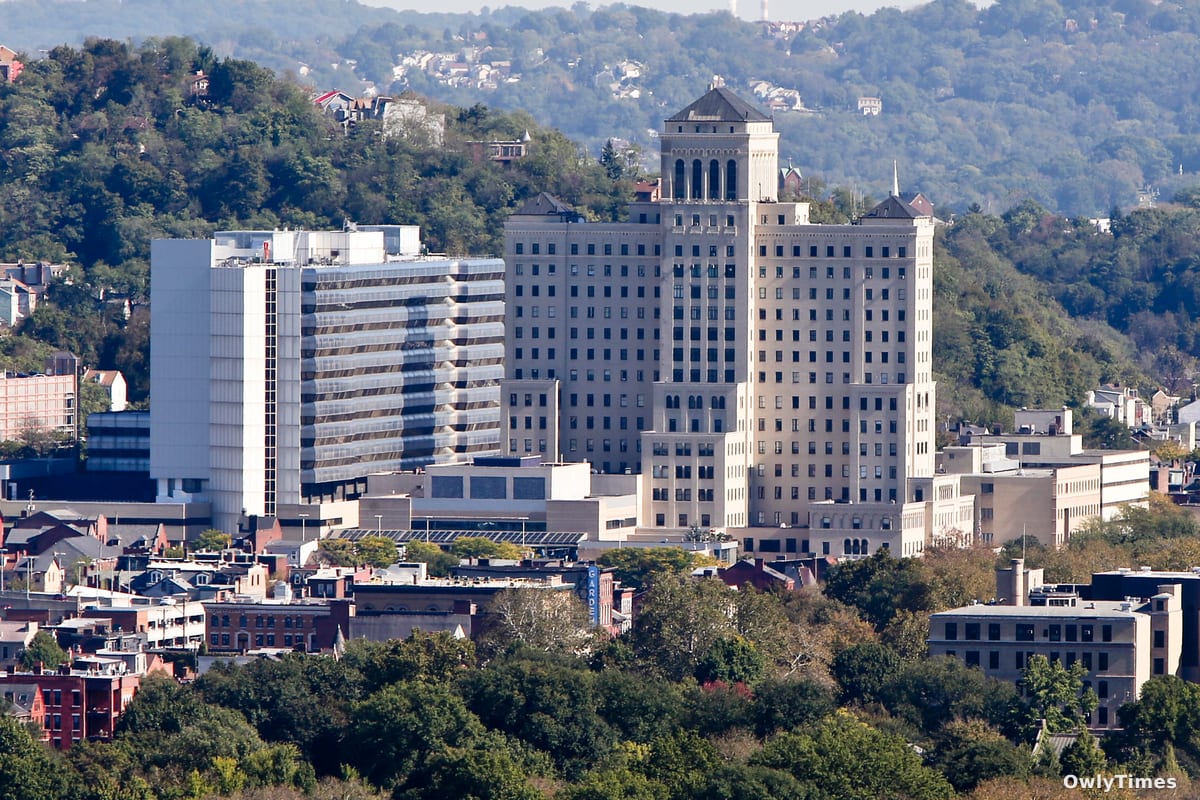
The logistical complexity is heightened by planned street closures within the Draft footprint. Allegheny General Hospital (AGH), situated in the North Side, is actively working with the city to ensure patient access for scheduled appointments isn’t disrupted. This proactive coordination is crucial; a delayed appointment due to traffic congestion isn’t just an inconvenience, it can have serious consequences for patients managing chronic illnesses or requiring time-sensitive treatments. Dr. Brent Rau, medical director of AGH’s emergency department, emphasized the hospital’s experience in handling large-scale events, stating, “AGH has a long history of effectively responding to events that bring high volumes of people to the North Side and patients to our doors.” This isn’t a boast, but a demonstration of established protocols and a confident assessment of their capacity.
Beyond First Aid: A Multi-Tiered Response
UPMC’s approach is similarly comprehensive, focusing on preventative care and rapid response. Dr. Donald Yealy, UPMC Chief Medical Officer, outlined plans to staff four medical aid stations on the North Shore and at The Point with emergency medicine and sports medicine professionals. Crucially, UPMC is also deploying medical personnel on foot patrol alongside paramedics. This mobile component is particularly important, allowing for early intervention and assessment of potential issues before they require ambulance transport or emergency department visits. It’s a shift from a reactive model – waiting for patients to come to them – to a proactive model of identifying and addressing needs in real-time. The emphasis on sports medicine professionals is also noteworthy, anticipating a higher incidence of sprains, strains, and other musculoskeletal injuries associated with the active nature of the event.
Limitations to Consider and Future Research
It’s important to note that these preparations are based on projections and historical data from similar events. While both hospital systems have experience managing large crowds, the scale of the NFL Draft – and the potential for unpredictable weather conditions – introduces a degree of uncertainty. The success of these initiatives will depend heavily on effective communication with the public, clear signage directing people to medical resources, and the willingness of attendees to seek help when needed. Furthermore, the data collected during the Draft – the types of injuries treated, the utilization rates of the various medical stations, and the impact on emergency department volumes – will be invaluable for refining future event planning strategies. A key question moving forward is whether this model of proactive healthcare integration can be scaled and adapted for other large-scale events, or even incorporated into routine public health initiatives in densely populated urban areas. Will we see similar preparations for concerts, festivals, or even large sporting events beyond the NFL? The Pittsburgh NFL Draft may offer a blueprint for a more health-conscious approach to mass gatherings.