
When a community is leveled by a natural disaster, the immediate focus is almost always on the physical architecture of survival: shelter, clean water, and power. Yet, for the thousands of individuals navigating the fragile path of recovery from substance use disorder, the true infrastructure of survival is invisible. It is composed of the daily rituals, the local meetings, and the steady, predictable social networks that prevent the overwhelming weight of trauma from becoming an invitation to relapse.
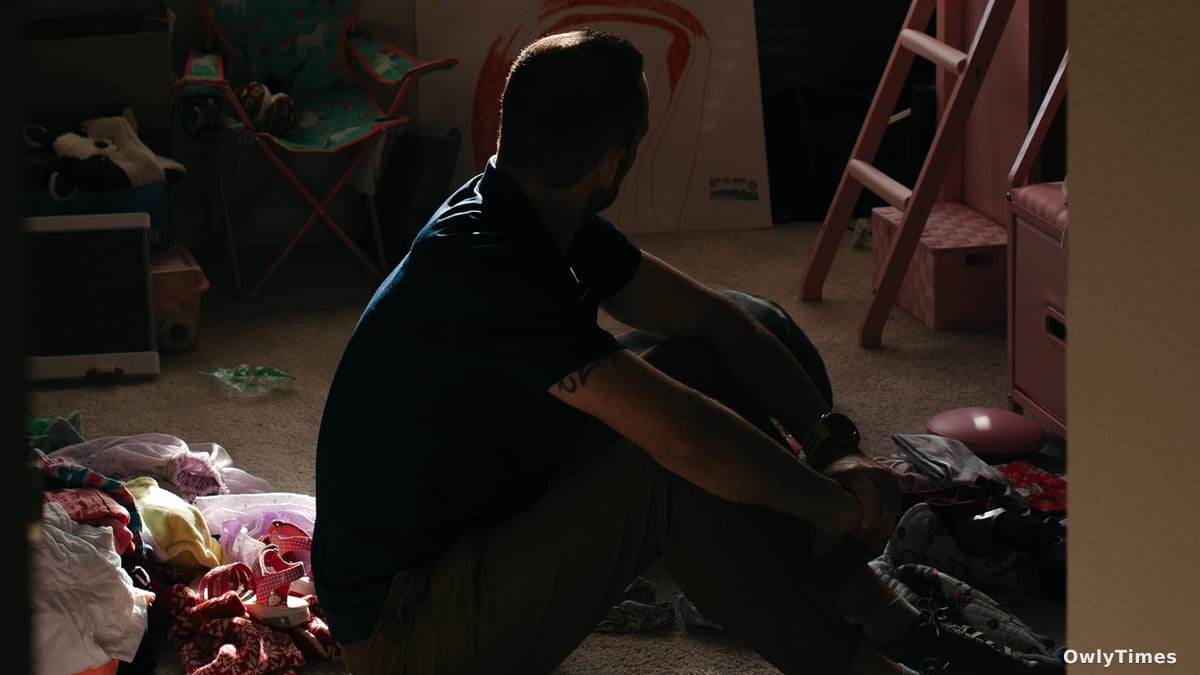
The experience of Devon, an Iraq war veteran living in Asheville, North Carolina, underscores a critical gap in our disaster preparedness models. When Hurricane Helene tore through the Appalachian mountains in September 2024, it did more than destroy homes; it dismantled the scaffolding of sobriety. As 20 pine trees collapsed around his property—five of which crushed his porch and a corner of his home—the noise triggered memories of combat that he had spent years managing through therapy and Narcotics Anonymous. The storm, quite literally, brought the war home.
While headlines often highlight the physical destruction caused by such weather events, the scientific reality is more insidious. Sociologist Kristina Brant of Penn State University has documented that overdose deaths often see a persistent increase for a decade following a flood. The study of this phenomenon reveals a stark contradiction to the "honeymoon phase" often observed in the immediate aftermath of a disaster, where intense social cohesion briefly masks the deepening trauma. As the months pass and the "honeymoon" fades, the compounding losses—financial ruin, displacement, and the closure of community spaces—create a perfect storm for those in recovery.
The limitations of current disaster response are particularly evident in the Appalachian region. According to 2023 data, mortality for those in their prime working years in Appalachia exceeded the national average by 52 percent. In six western North Carolina counties, including Buncombe, overdose mortality stood at more than 36 per 100,000 residents as of 2022. When infrastructure is compromised, these existing vulnerabilities are amplified. Erin Major, a doctoral candidate at Boston University, notes that for many patients, the combination of destroyed roads and fractured communication made accessing essential care, such as buprenorphine, "genuinely impossible."
The human cost of these systemic failures is often measured in lost momentum. For Devon, the post-storm period brought a cascade of stressors: the cost of $20,000 in repairs, the strain on his marriage, and the subsequent loss of his home. His story is not unique. Across the region, the closure of music venues and small businesses—which collectively lost an average of $322,000 per establishment across 23 counties—has stripped away the "third places" where people congregate and check on one another. When these venues shutter, the risk of individuals using substances in isolation increases, removing the safety net provided by harm reduction advocates like John Kennedy of Musicians for Overdose Prevention.
Moving forward, the focus must shift toward integrating substance use disorder support into the foundational language of emergency management. This means ensuring that disaster response includes low-barrier shelters, mobile clinics, and training for volunteers to recognize the signs of both trauma and overdose. As we look toward the next seasonal shift, the primary indicator of the region's resilience will be whether these community-based support networks can stabilize, or if the "excess mortality" observed in previous disasters, such as Hurricane Katrina, will repeat itself. The recovery of the region will not be marked by the completion of building repairs alone, but by the ability of those like Devon to maintain their routines in a landscape that has been irrevocably altered.