
The conversation around New York’s state budget often centers on topline numbers – how much is being spent, and on what. But beneath those figures lies a crucial, and often overlooked, question: how effectively is the state addressing the root causes of health disparities? Governor Kathy Hochul’s proposed budget, currently under consideration, allocates over $1 billion to food security initiatives, a move that signals a growing recognition within the New York State Department of Health that access to nutritious food isn’t simply a social service issue, but a fundamental component of public health. This isn’t about charity; it’s about preventative medicine, and a shift in understanding how economic realities directly impact chronic disease rates.
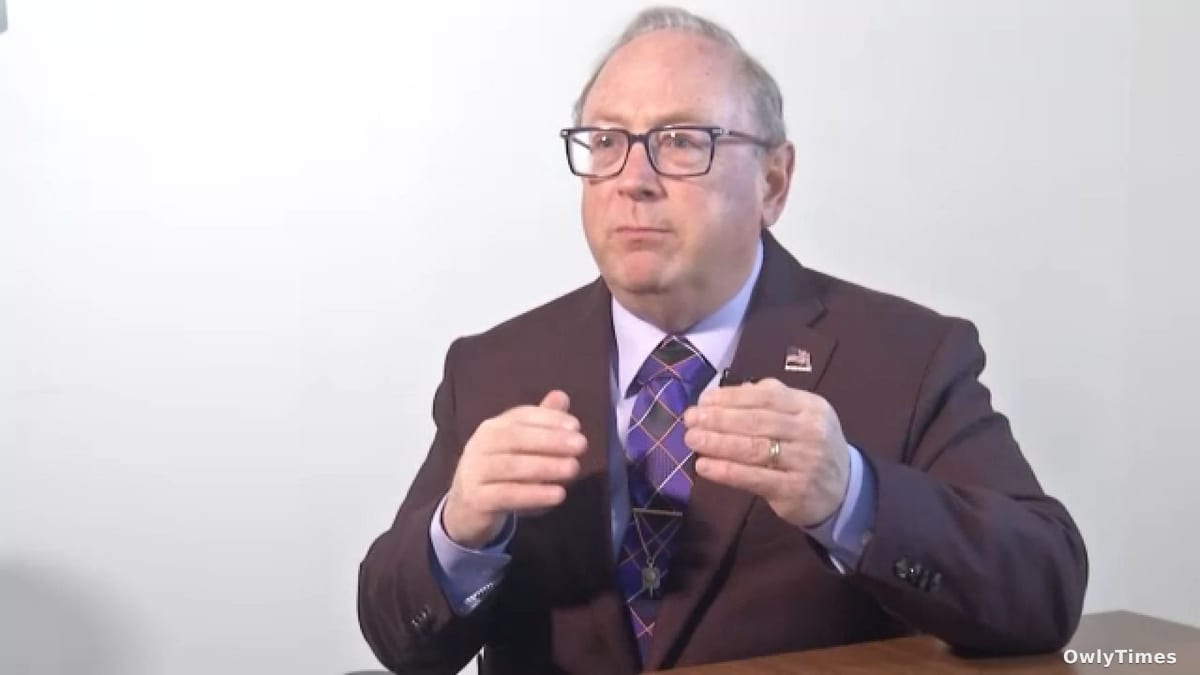
James McDonald, the commissioner of the department, frames the issue with stark clarity. He points to the paradoxical relationship between food insecurity and obesity, explaining that limited access to affordable, healthy options often leads individuals to rely on calorie-dense, processed foods. “What we would like people to eat is real foods, fruits, vegetables, lean meat,” he stated, contrasting this with the nutritional void of readily available, cheaper alternatives. This isn’t a novel observation – the link between diet and health has been established for decades – but the scale of investment proposed in the budget suggests a renewed commitment to tackling the problem systemically. The $1 billion will support existing programs like SNAP, WIC, and child care meal programs, alongside initiatives like Nourish New York, aiming to bolster food banks and improve access at the grocery store.
Source material: Spectrum News.
However, it’s crucial to understand what this budget doesn’t say. Headlines proclaiming a “billion-dollar investment in food security” can be misleading. The funds aren’t a sudden windfall; they represent a continuation and, in some cases, a modest increase to existing programs. More importantly, the budget is being drafted against a backdrop of potential federal cuts, particularly to Medicaid. McDonald acknowledges that these cuts could leave approximately 450,000 New Yorkers without affordable healthcare, effectively creating a new barrier to accessing preventative care and managing diet-related illnesses, even with increased food security funding. The gains made in one area could be offset by losses in another, highlighting the interconnectedness of health policy.
The recent history of SNAP benefit disruptions further underscores this vulnerability. The longest federal government shutdown in U.S. history, lasting over 40 days in October, resulted in paused SNAP benefits for many New Yorkers, forcing families into immediate crisis. This experience served as a stark reminder of the fragility of these safety nets and the potential for external political forces to undermine even well-intentioned state-level initiatives. The budget’s emphasis on food security, therefore, isn’t simply about providing access to food today, but about building resilience against future disruptions and advocating for stable federal support.
Beyond food security, the budget also addresses the critical issue of healthcare access in rural communities. McDonald identifies a severe shortage of healthcare workers as the primary obstacle, noting that while rural areas often have functioning hospitals and federally qualified health centers, they struggle to attract and retain qualified personnel. The proposed “Rural Health Transformation Program” and initiatives to recruit nurses to rural nursing homes represent a targeted effort to address this imbalance. A particularly interesting proposal involves expanding the scope of practice for physician assistants (PAs), potentially allowing them to practice independently, thereby increasing access to care in underserved areas. This move, however, is contingent on establishing clear criteria to ensure patient safety and quality of care.
The budget also navigates the complex landscape of vaccination policy, responding to changes in federal guidance. New York State is shifting its reliance for vaccine recommendations from the CDC’s Advisory Committee on Immunization Practices to a combination of the American Academy of Pediatrics, the American Academy of Family Physicians, the American College of Obstetricians and Gynecologists, and the New York State Department of Health itself. This move, McDonald explains, is about asserting state authority and relying on credible, independent sources of expertise, rather than being subject to political influence.
Looking ahead, the success of these initiatives will hinge on more than just funding allocations. The state’s Department of Health is exploring innovative ways to utilize existing healthcare workers, and investing in programs to attract high school students to the healthcare field. But a critical question remains: will these efforts be enough to counteract the looming threat of Medicaid cuts and the ongoing challenges of workforce shortages? The state budget is constitutionally mandated to be passed by April 1, but the real test will come in the months and years that follow, as New Yorkers watch to see whether these investments translate into tangible improvements in health outcomes, particularly for those most vulnerable. Will we see a measurable decrease in diet-related chronic diseases in communities with increased food security access, and will rural hospitals be able to maintain essential services with a bolstered workforce? These are the metrics that will ultimately determine the true impact of this budget.