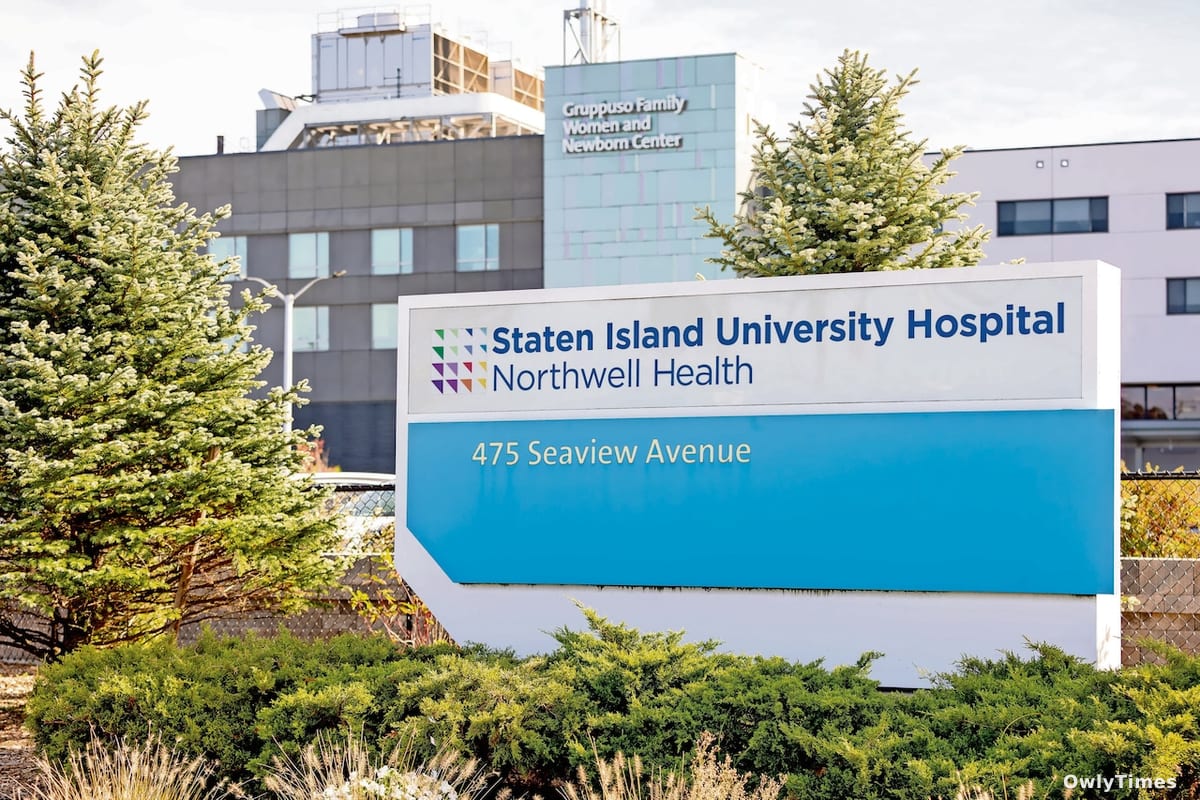

The persistent, and often preventable, disparities in maternal health outcomes aren’t simply a national crisis; they are intensely local problems demanding localized solutions. While national statistics on maternal mortality—which currently stand at 32.9 deaths per 100,000 live births, a figure tragically higher for women of color—grab headlines, the real work of prevention happens at the community level. That’s the driving force behind Staten Island University Hospital’s (SIUH) annual Healthcare Summit, rebranded this year from the North Shore Summit and focused explicitly on maternal health, taking place February 24th at the St. George Theatre. This isn’t merely a conference; it’s a deliberate attempt to translate broad concerns into actionable strategies for a single borough, and the shift in focus warrants closer examination.
From North Shore to Maternal Focus: A Strategic Repositioning
For years, the summit operated with a wider scope, addressing general health concerns within the North Shore community. The change to prioritize maternal health isn’t arbitrary. SIUH’s announcement highlights “current trends, programs and challenges” in this area, signaling a recognition that maternal health is a particularly acute need. While specific data for Staten Island wasn’t released with the announcement, New York State as a whole has seen a concerning rise in maternal mortality rates in recent years, jumping from 20.1 deaths per 100,000 live births in 2019 to 29.2 in 2021, before a slight decrease in 2022. This statewide trend likely informs the hospital’s decision to concentrate its efforts. The summit, running from 1 p.m. to 5 p.m., aims to bring together a diverse coalition—local partners, community organizations, elected officials, and Northwell Health leaders—suggesting a comprehensive approach is envisioned. The inclusion of elected officials is particularly crucial, as policy changes and funding allocations are often the most impactful levers for improving maternal health access.
Source material: silive.com.
Beyond Awareness: The Importance of Stakeholder Alignment
Many healthcare summits fall into the trap of simply raising awareness. The value of this event, however, appears to lie in its emphasis on “innovative strategies.” This isn’t about presenting well-known problems; it’s about fostering collaboration to implement solutions. The St. George Theatre location, at 35 Hyatt St, is also strategically significant. It’s not a clinical setting, but a community hub, deliberately chosen to offer attendees opportunities to connect with local organizations already working on maternal health initiatives. This suggests a move away from a top-down, hospital-centric approach towards a more integrated, community-led model. The summit’s format—guest speakers and panel discussions—is standard for these events, but the success will hinge on whether these discussions translate into concrete action plans with clearly defined responsibilities.
What Headlines Miss: The Nuance of "Maternal Health"
It’s important to clarify what “maternal health” encompasses. Headlines often focus on postpartum complications and maternal mortality, but the spectrum is far broader. It includes access to prenatal care, addressing chronic health conditions that impact pregnancy, mental health support during and after pregnancy, and addressing systemic inequities that disproportionately affect women of color. The summit’s announcement doesn’t specify which aspects of maternal health will be prioritized, leaving room for both broad discussion and potentially diluted focus. A truly impactful summit would delve into the specific challenges faced by different populations within Staten Island, acknowledging that maternal health needs vary significantly based on socioeconomic status, race, and access to resources.
Limitations to Consider: Data Transparency and Long-Term Impact
While the intention behind the summit is laudable, several limitations should be considered. The announcement lacks specific details about the data that informed the decision to focus on maternal health. Without knowing the specific maternal health indicators for Staten Island—rates of preterm birth, cesarean sections, maternal mental health diagnoses—it’s difficult to assess the urgency and appropriateness of this focus. Furthermore, the summit is a single event. Its long-term impact will depend on sustained commitment from SIUH and its partners. Will there be follow-up meetings, dedicated funding for pilot programs, and ongoing data collection to track progress? The involvement of Advance Local, which utilizes AI tools in content creation, also raises questions about the depth of reporting and potential biases in coverage. While staff review and editing are mentioned, the role of AI in shaping the narrative warrants transparency.
Looking ahead, the key question isn’t simply whether this summit will be a success, but whether it will serve as a catalyst for lasting change. Specifically, Staten Island residents should watch for the emergence of new community-based maternal health programs in the coming months, and critically assess whether these programs are equitably distributed and address the specific needs of the borough’s most vulnerable populations. The summit’s true measure of success won’t be the number of attendees, but the demonstrable improvement in maternal health outcomes for all Staten Island women.