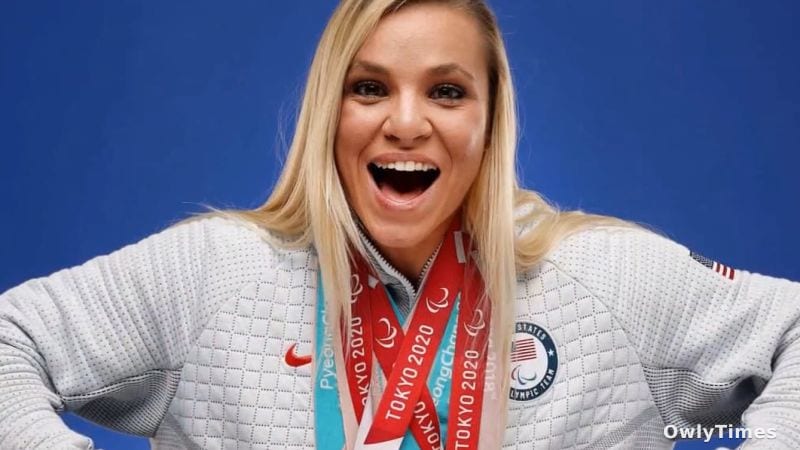

The biting wind whipped across the Nordic ski trails of Lillehammer, Norway, last winter, stinging the cheeks of athletes and spectators alike. But for Oksana Masters, the cold was almost…welcome. It was a familiar sensation, a reminder of the harsh Ukrainian winter of her birth, a landscape etched into her memory and, perhaps, fueling her relentless drive. Now, as she prepares for the 2026 Paralympic Games, the 19-time Paralympic medalist isn’t chasing medals – she’s chasing perfection, a concept that feels both audacious and profoundly personal for an athlete whose life has been defined by overcoming impossible odds. This isn’t just about athletic achievement; it’s about rewriting the narrative of what’s possible when the world tells you what you can’t do.
A Legacy Forged in Resilience
Oksana Masters’ story isn’t one of natural athletic progression. Born with tibial hemimelia, a condition resulting in missing lower leg bones, she spent her earliest years in a Ukrainian orphanage, facing systemic neglect and limited opportunities. Adopted by an American family at age seven, she found not only a loving home but also access to the adaptive sports world. This transition, while life-altering, wasn’t seamless. The physical and emotional scars of her early life run deep, and it’s this history that infuses her pursuit of athletic excellence with a rawness rarely seen in elite sports. In a recent conversation with Coy Wire of CNN Sport, Masters spoke of the internal pressure she places on herself, a pressure born not from external expectations, but from a desire to honor the resilience she’s cultivated over decades. The fact that she’s amassed 19 Paralympic medals across multiple sports – rowing, cross-country skiing, biathlon, and track and field – is statistically remarkable; only a handful of athletes in Paralympic history have achieved comparable success. But the numbers only tell a fraction of the story.
This article draws on reporting from CNN.
Beyond the Medals: The Shifting Landscape of Paralympic Visibility
The increased attention on athletes like Oksana Masters isn’t accidental. Paralympic viewership has steadily climbed in recent years, particularly during and immediately following the Games. The 2022 Winter Paralympics in Beijing, for example, saw a 118% increase in U.S. viewership compared to the 2018 Games in Pyeongchang, according to NBCUniversal. This surge isn’t solely due to increased marketing efforts, though those have certainly played a role. It’s a reflection of a broader cultural shift towards greater inclusivity and a growing appetite for stories of human triumph over adversity. However, this increased visibility comes with its own set of challenges. The “inspiration porn” trope – the tendency to portray disabled individuals solely as objects of inspiration – remains a persistent issue. Masters herself has spoken out against this reductive framing, emphasizing the importance of recognizing athletes for their skill and dedication, not just their ability to overcome obstacles. The conversation is evolving, but the industry needs to be vigilant against perpetuating harmful stereotypes.
The Pursuit of the “Perfect Race” and its Cultural Resonance
What does a “perfect race” even mean for an athlete who has already achieved so much? For Oksana Masters, it’s not about shaving milliseconds off her time or securing another gold medal. It’s about achieving a state of flow, a complete synchronization of mind and body, where every movement feels effortless and intentional. It’s about silencing the internal critic that whispers doubts and insecurities, a voice she admits is often loudest during competition. This pursuit of perfection resonates deeply with a culture obsessed with self-optimization and the relentless pursuit of goals. We see it in the rise of mindfulness practices, the popularity of productivity hacks, and the constant pressure to “level up” in all aspects of life. But Masters’ journey offers a crucial counterpoint to this narrative. Her perfection isn’t about flawlessness; it’s about embracing vulnerability, acknowledging limitations, and finding strength in imperfection.
What’s Next for Adaptive Sports and Representation?
The growing profile of athletes like Oksana Masters is forcing a reckoning within the sports industry. Sponsorship opportunities for Paralympic athletes remain significantly lower than those available to their able-bodied counterparts, despite comparable levels of dedication and achievement. According to a 2023 report by the International Paralympic Committee, Paralympic athletes receive, on average, 68% less sponsorship income than their Olympic peers. This disparity isn’t simply a matter of market forces; it’s a reflection of ingrained biases and a lack of investment in adaptive sports. As we look ahead to the 2026 Games in Milan and Cortina d'Ampezzo, the question isn’t just whether Oksana Masters can achieve her “perfect race,” but whether the industry will finally step up and provide the resources and recognition that Paralympic athletes deserve. Will brands move beyond token gestures of inclusivity and commit to long-term partnerships? Will media outlets prioritize Paralympic coverage not just during the Games, but year-round? The answers to these questions will determine whether the momentum gained in recent years translates into lasting change, or fades into another cycle of fleeting attention.

