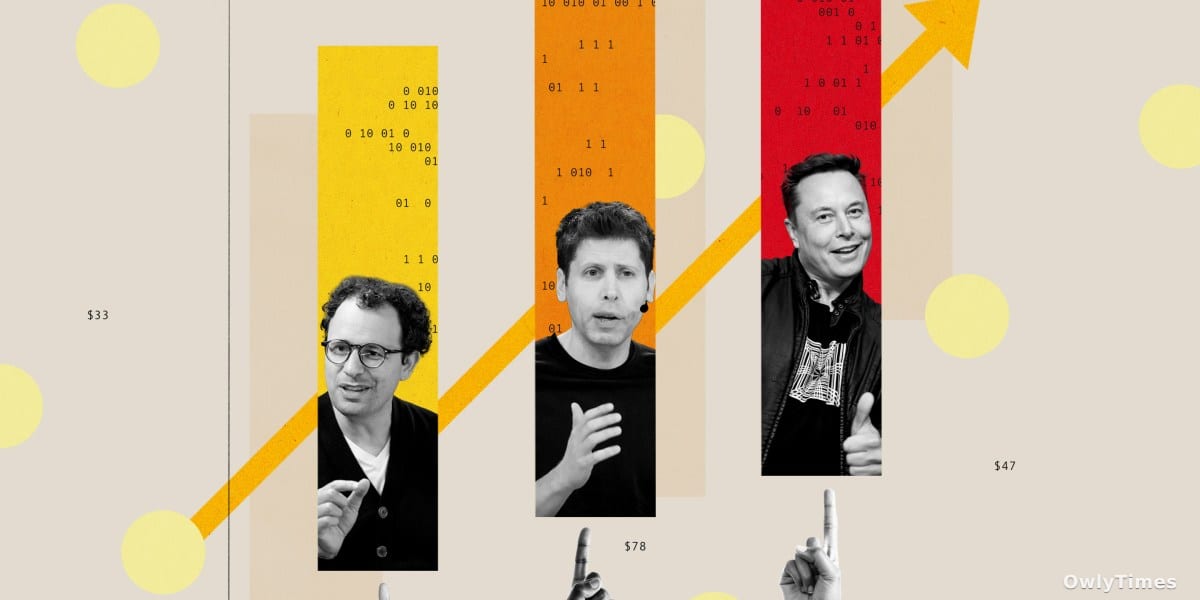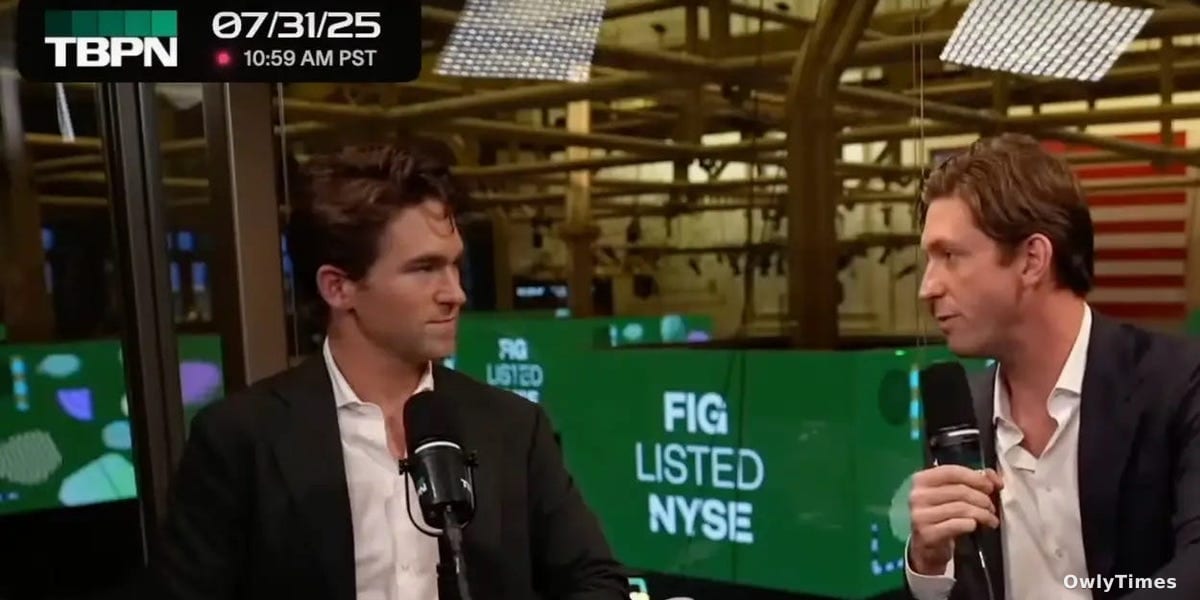

The studio lights hummed, casting a warm glow on Jordi Hays and John Coogan as they delivered the news – not a tech review, not a market analysis, but a full-stop acquisition. “April Fools was yesterday,” Coogan announced to their surprisingly sizable live audience on April 2nd, 2026, confirming that their tech/business talk show, TBPN, had been bought by OpenAI, the $850 billion AI behemoth. The reaction, as Kafka notes, was widespread disbelief. But beyond the initial shock, the deal exposes a quiet power shift in how tech narratives are shaped, and a fascinating admission from Sam Altman’s company about the challenges of simply building the future versus selling it.
TBPN isn’t a household name, but within media and tech circles, it’s a force. The show’s strength isn’t breaking news, but rather a curated, largely optimistic take on the tech landscape. They’ve built access, landing interviews with figures like Palantir CEO Alex Karp and Mark Zuckerberg, even securing a broadcast set on Meta’s campus. This isn’t accidental. TBPN functions as a high-profile echo chamber for the tech elite, a place to deliver messages to other tech executives and investors, largely unburdened by critical questioning. The acquisition isn’t about acquiring a news organization; it’s about acquiring a highly effective, pre-built communications channel. This is particularly striking given OpenAI’s recent paring down of ambitious side projects like Sora, the video app, and plans for adult-oriented AI chats – a clear signal of prioritizing risk mitigation.
The financial details, reported as “low hundreds of millions” by the Financial Times, are almost irrelevant to OpenAI. The company recently raised $122 billion and projects $280 billion in revenue by 2030. For context, TBPN’s projected $30 million in annual ad revenue wouldn’t even register as a rounding error on that scale. Coogan and Hays reportedly sold not because they couldn’t build a successful ad-supported business – they were on track to do so – but because building that business is hard. Selling to OpenAI offers a guaranteed revenue stream and, crucially, removes the complexities of navigating a volatile advertising market. This speaks to a broader trend: the increasing appeal of being acquired by companies with deep pockets, even at an earlier stage than founders might have previously considered. The pressure to achieve profitability, especially in a climate of fluctuating venture capital funding, is pushing more startups towards this exit strategy.
The move also highlights a growing realization within the AI industry: technological innovation alone isn’t enough. Public perception, regulatory scrutiny, and investor confidence are equally critical. OpenAI’s acquisition of TBPN isn’t about the content itself, but about controlling the narrative surrounding its technology. Fidji Simo, an OpenAI executive, explicitly praised Coogan and Hays’ “amazing comms and marketing instincts,” and their new reporting structure – to Chris Lehane, the company’s policy and strategy chief – underscores this point. This isn’t an “acquihire” in the traditional sense; TBPN will continue producing its three-hour daily show. But it’s a clear signal that OpenAI wants a consistent, positive voice amplifying its message, potentially softening the ground with regulators and advertisers. The fact that a company built on disrupting industries is now investing in a platform that largely supports the status quo is a fascinating contradiction.
Drawn from Business Insider.
TBPN’s success also validates the power of live-streaming as a media format. While the live audience may not be massive, the format allows for content to be repurposed and distributed across multiple platforms, maximizing reach and engagement. This “big content, small bites” strategy is hardly new, but it’s gaining renewed traction as media companies grapple with fragmented audiences and evolving consumption habits. But the real question isn’t whether this strategy works, but whether OpenAI can maintain TBPN’s carefully cultivated brand identity – a space where tech leaders can freely promote their visions – while simultaneously ensuring it serves OpenAI’s broader strategic goals. Will TBPN become a genuinely independent voice within the OpenAI ecosystem, or will it subtly shift to become a sophisticated, yet ultimately controlled, marketing arm? The tech world, and the media that covers it, will be watching closely to see if the flywheel keeps spinning, or if OpenAI’s acquisition ultimately disrupts the very dynamic that made TBPN so valuable in the first place.