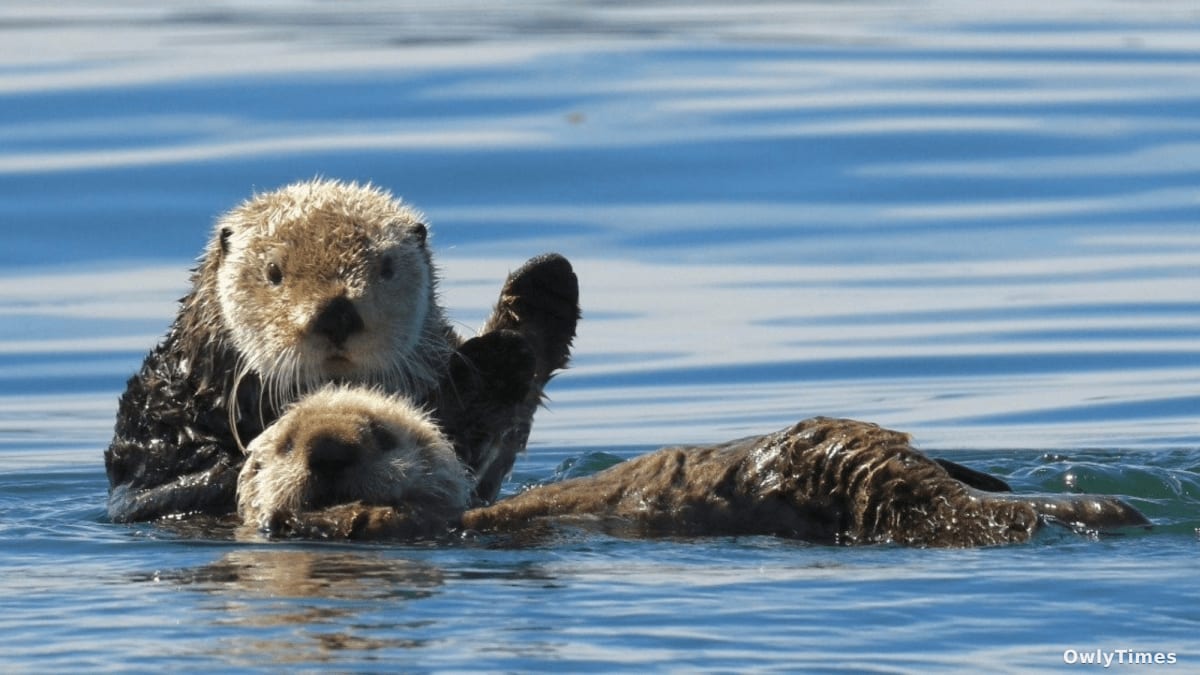

When we observe an otter sliding down a snowy embankment or juggling a stone, we are witnessing a phenomenon that sits at the intersection of biological necessity and pure, unadulterated joy. Yet, as Heide Island, PhD, explores in her upcoming book ROMP!: A Journey Through the Natural History of Otters and Why They Matter, published by Avery on 4/28/26, the scientific community has long struggled to define exactly what constitutes "play" in the animal kingdom. While the image of a frolicking otter is a fixture of nature documentaries, these behaviors are far more than simple entertainment; they are critical metrics for gauging animal health, social intelligence, and cognitive development.
Beyond the "Marshmallow Science"
For years, ethologists—scientists who study animal behavior—often dismissed play as "marshmallow science," a frivolous pursuit unworthy of rigorous academic inquiry. This perspective began to shift with pioneers like Robert Fagan, whose work on brown bears suggested that play is a vital predictor of longevity and physical health. Similarly, neuroscientist Jaak Panksepp characterized play as "aerobics for the brain," identifying it as a primary driver for the development of social competency. By the time Hans Kruuk published his seminal text, Otters: Ecology, Behaviour, and Conservation, in the early 2000s, the scientific consensus remained sparse; even then, there were fewer than twenty peer-reviewed articles dedicated to the subject.
The challenge for researchers lies in avoiding the trap of anthropomorphism—projecting human emotions onto non-human species. Because otters possess neotenous, or baby-like, features, our instinct is to view their actions through a human lens. However, as Island demonstrates, we must evaluate these behaviors using the five criteria established by ethologist Gordon Burghardt. According to this framework, play must be voluntary, spontaneous, and—crucially—performed when the animal is healthy, well-fed, and free from the stress of predators or harsh climates. When a group of "Lost Boys"—bachelor river otters—engage in a wrestling match or a "scat dance," they are not just having fun; they are practicing complex social skills that will influence their survival as they mature.
The Reality of Captive Wellness
The study of play becomes even more vital when considering otters in human-care facilities. Without the daily pressures of hunting or avoiding predators, captive animals can face under-stimulation, which leads to abnormal repetitive behaviors (ARBs). In a longitudinal study beginning in 2016, Island and her colleagues compared behavioral wellness indicators across three different sea otter populations: a mixed-sex group at the Oregon Zoo, an all-female group at the Monterey Bay Aquarium, and a bachelor raft at the Oregon Coast Aquarium.
The findings revealed that the bachelor raft at the Oregon Coast Aquarium exhibited virtually no ARBs and engaged in the highest levels of play. This supports the hypothesis that play is a flexible behavior, heavily dependent on the social context and the "activity budget" of the individuals involved. Even in the case of Eddie, an elderly sea otter at the Oregon Zoo who became famous for "shooting hoops" to treat his arthritis, the interaction served a functional purpose. While training an otter to sink a ball into a Portland Trail Blazers-branded hoop might seem like a circus trick, it provided a necessary outlet for physical therapy and cognitive engagement that mimics the natural behaviors of a wild otter.
Limitations to Consider
Despite the excitement surrounding these observations, it remains difficult to draw universal conclusions. As Island notes, there is no definitive way to prove an animal's internal emotional state. For example, research into "rock juggling" in Asian small-clawed otters and smooth-coated otters at zoos in the United Kingdom yielded counterintuitive results: adults juggled more than juveniles, and females juggled more than males. These findings suggest that play is highly malleable and may be influenced by factors as specific as the anticipation of a meal rather than a simple desire for amusement.
The next steps for this research involve continuing to monitor these behavioral metrics across diverse environments. By refining our understanding of how play supports brain health and social cohesion, scientists hope to move away from anecdotal observations toward a more predictive model of animal welfare. Whether through the observation of bachelor rafts on the Olympic Peninsula or the tracking of captive otters, the ongoing study of these "romps" will determine how we can better support their health in an increasingly changing environment.