
The air in Hollywood felt thick with disbelief last week, not over that a deal for Warner Bros. Discovery was happening, but how. As news broke that Paramount-Skydance had outbid Netflix for the media giant, a collective jaw drop echoed from the Sunset Strip to Wall Street. It wasn’t the usual celebratory champagne popping; it was a stunned silence punctuated by cynical laughter. Because beyond the billions and boardroom battles, this wasn’t just a corporate takeover – it was a stark illustration of power, influence, and the increasingly precarious state of independent storytelling in the streaming age. The deal, which saw Netflix walking away with a $2.8 billion breakup fee while Paramount-Skydance secured the prize, feels less like a business transaction and more like a high-stakes poker game where the rules are constantly changing.
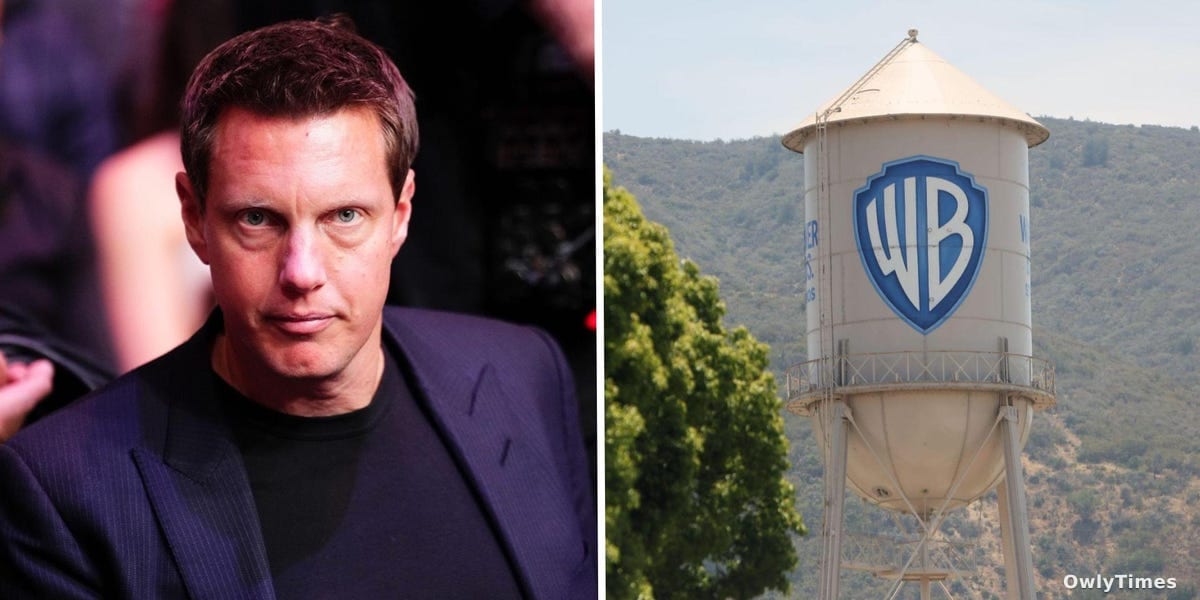
The initial reaction, captured perfectly by wealth manager Ross Gerber’s sardonic “Welcome to Hollywood kid” post on X, directed at Warner Bros. Discovery CEO David Zaslav, wasn’t about the financial mechanics – it was about the optics. “Haha. They paid $110 billion. Netflix gets $2.8 billion. Zaslov laughing to the bank,” Gerber wrote, succinctly capturing the sentiment that this deal felt…off. It’s a sentiment echoed by many, who see Zaslav emerging as a victor in a game rigged by political connections and sheer tenacity. The fact that Netflix, a streaming behemoth valued at over $150 billion, was willing to walk away from a deal, even with a substantial breakup fee, speaks volumes about the perceived risks and the shifting dynamics at play. As Paul Nary of the Wharton School pointed out, Netflix’s swift exit wasn’t a sign of weakness, but of “discipline.” They recognized, perhaps before others, that the price wasn’t worth the potential complications.
This article draws on reporting from Business Insider.
But the complications run far deeper than just the balance sheet. Former presidential hopeful John Delaney framed Netflix’s retreat as a “strong signal,” a demonstration of their willingness to prioritize long-term strategy over short-term gains. This isn’t simply about avoiding a bad investment; it’s about sending a message to the industry – and to Washington – that they won’t be bullied into a deal that doesn’t align with their vision. That vision, increasingly, seems to be one of cautious expansion and a focus on profitability, a stark contrast to the aggressive growth-at-all-costs model that defined the early years of the streaming wars. The timing of Netflix co-CEO’s meeting with White House officials just before withdrawing from the bid, as highlighted by MSNBC’s Chris Hayes, only adds fuel to the fire, suggesting a level of regulatory pressure that shouldn’t be ignored.
The most vocal opposition, however, comes from those concerned about the concentration of media power. Senator Elizabeth Warren didn’t mince words, calling the potential Paramount-Skydance merger an “antitrust disaster” and raising concerns about the influence of “Trump-aligned billionaires” seeking to control what Americans watch. Her concerns are echoed by California Attorney General Rob Bonta, who has launched an investigation into the deal, and Seth Stern of the Freedom of the Press Foundation, who fears that David Ellison will compromise journalistic integrity to appease the Trump administration. This isn’t just about higher prices and fewer choices, as Warren argues; it’s about the potential erosion of independent voices and the chilling effect on investigative journalism. Matt Stoller, director of research at the American Economic Liberties Project, paints a grim picture of the post-merger landscape, warning that unwinding the deal once assets are integrated would be “like unscrambling eggs.”
The stakes are incredibly high, and the implications extend far beyond the entertainment industry. This deal represents a pivotal moment in the ongoing consolidation of media ownership, a trend that has been decades in the making. The question now isn’t just whether this merger will be approved, but what safeguards will be put in place to prevent further concentration of power. Will state attorneys general mount a serious challenge, or will they succumb to the pressure of powerful lobbyists and political influence? And, perhaps more importantly, will consumers and creators alike recognize the long-term consequences of allowing a handful of companies to control the stories we tell and the information we receive? The future of storytelling, and perhaps even the future of a well-informed democracy, may depend on the answer.