
The urgency to decarbonize home heating, spurred by international agreements like the 2015 Paris Agreement aiming to limit global temperature rise to 2°C, has fueled a proliferation of alternative heating technologies. But beyond marketing claims and initial cost estimates, a clear, comparative understanding of which systems truly minimize environmental impact – and at what economic cost – has remained elusive. Recent research from the Technical University of Munich doesn’t simply offer another ranking of heating systems; it reveals a critical nuance often overlooked in the “green” technology debate: the source of the power driving these systems matters profoundly, potentially overshadowing the technology itself. The study, published this month, challenges the assumption that simply switching from fossil fuels is enough, and highlights the importance of a holistic lifecycle assessment.
Beyond Fuel Switching: The Lifecycle Impact of Home Heating
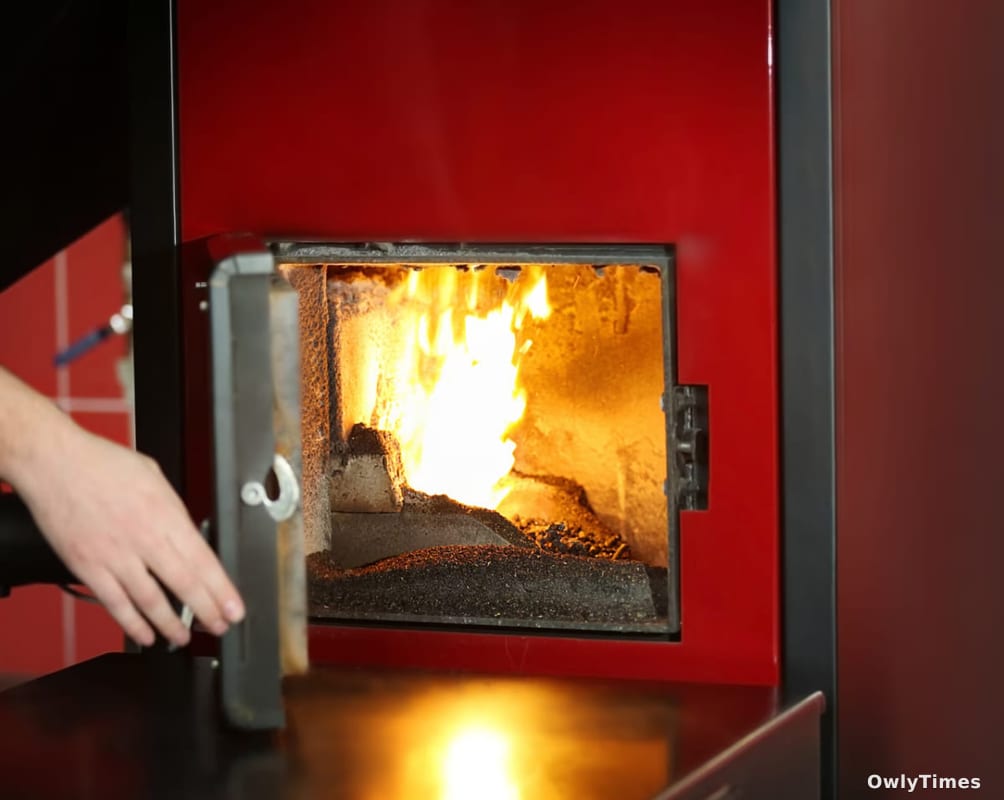
The research team, led by scientists at the Technical University of Munich, undertook a comprehensive analysis of 13 distinct heating systems commonly available in Germany. This wasn’t a theoretical modeling exercise; the team evaluated systems ranging from conventional gas boilers and pellet stoves to advanced geothermal heat pumps, all benchmarked against the energy demands of a typical two-story German home. Crucially, the evaluation wasn’t limited to operational CO2 emissions. Researchers meticulously accounted for installation costs, ongoing maintenance fees, and the embedded carbon footprint associated with manufacturing and eventual disposal of each system component. This “cradle-to-grave” approach is essential, as focusing solely on emissions during use can paint a misleadingly optimistic picture. For example, while biomass systems – like wood gasification boilers – often boast low operational emissions, the sourcing and processing of the biomass fuel itself can contribute significantly to their overall environmental impact.
Reporting from futura-sciences.com informs this analysis.
Air-to-Water Heat Pumps Rise to the Top – With a Critical Caveat
The headline result – that a combination of air-to-water heat pumps paired with photovoltaic (PV) panels emerged as the most environmentally friendly option – is likely to surprise many. Often, biomass systems are touted as the gold standard for renewable heating. However, the Technical University of Munich team found that the environmental burden of heat pumps is overwhelmingly tied to their electricity source. As researcher’s stated, “electricity supply accounts for over 90% of the environmental impact” of heat pumps during their operation. This means that running a heat pump on a grid powered by coal or natural gas significantly diminishes its environmental benefits. Conversely, pairing the heat pump with on-site solar generation via PV panels dramatically reduces its carbon footprint, effectively creating a near-zero emission heating solution. This finding isn’t a condemnation of heat pumps themselves, but a powerful illustration of the interconnectedness of energy systems. It underscores that decarbonizing the electricity grid is as vital, if not more so, than simply switching to renewable heating technologies.
Economic Realities and the Biomass Alternative
While the air-to-water heat pump/PV combination excelled in environmental performance, the study also addressed economic considerations. Installation costs remain a significant barrier for many homeowners. Gas boilers, despite their high environmental impact, continue to be the least expensive to install. Biomass heating systems, specifically wood gasification boilers, presented a compelling alternative, achieving a relatively low environmental impact at a moderate cost. However, the study acknowledges the logistical challenges associated with biomass, including fuel sourcing, storage, and the potential for localized air pollution if not managed properly. The economic advantage of gas boilers is shrinking, however, as energy prices fluctuate and governments increasingly implement carbon pricing mechanisms. In Germany, for example, the cost of natural gas has risen sharply in recent years, making renewable alternatives increasingly competitive.
Limitations to Consider and Future Research Directions
It’s important to acknowledge the limitations of this study. The analysis was based on a “typical” German home, and energy demands will vary significantly depending on building size, insulation levels, and climate. Furthermore, the study focused solely on environmental and economic factors, neglecting potential social considerations such as energy security and job creation. The data used to assess the environmental impact of electricity generation relied on the current German energy mix, which is undergoing rapid transformation. As the grid becomes increasingly reliant on renewable sources, the environmental benefits of heat pumps will continue to grow. Future research should focus on modeling the performance of these heating systems under different climate scenarios and grid compositions. Perhaps most importantly, studies need to investigate consumer behavior and the willingness to adopt these technologies, as even the most efficient system is ineffective if it remains uninstalled. The next critical question is not simply which heating system is best, but how can we incentivize and facilitate a widespread transition to sustainable heating solutions, ensuring equitable access and maximizing environmental benefits for all?