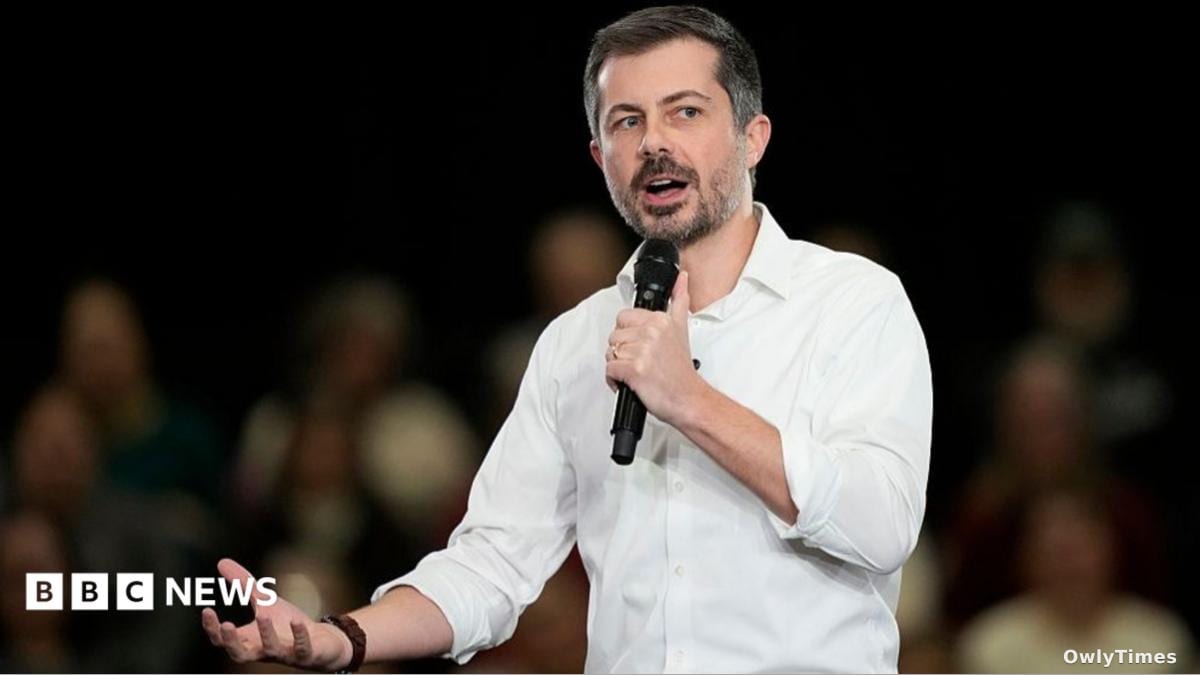

Is our digital age simply a more efficient delivery system for medieval-style witch hunts? We like to think of technology as a tool for connection, but the latest ordeal involving former Transportation Secretary Pete Buttigieg suggests that the same architecture we use to share family photos can be weaponized to dismantle the security of a private home.
The real story here isn't just that a high-profile politician was targeted; it’s that the "swatting" phenomenon has evolved into a more insidious, bureaucratic form of harassment. As reported by the BBC, The Guardian, and NPR, Buttigieg and his husband, Chasten, were forced to separate from their four-year-old twins, Joseph August and Penelope Rose, after an anonymous caller filed a false report with Child Protective Services (CPS).
The weaponization of bureaucracy
The mechanics of this attack reveal a chilling shift in political intimidation. According to Buttigieg’s account on Substack, an anonymous caller claimed to have spoken with a woman at a conference in Alabama who alleged that the former secretary had confessed to "unspeakable violent crimes." Buttigieg stated he had never even visited the location mentioned in the hoax. While swatting typically involves dispatching armed police to a residence, The Guardian notes that this "CPS-equivalent" version effectively weaponized state social services, forcing the family into a 24-hour separation while forensic interviews were conducted.
Both the BBC and NPR confirm that the Michigan State Police responded to the home in Traverse City and ultimately determined the report was false. Shanon Banner, a spokesperson for the department, emphasized that such hoaxes are "dangerous" because they divert resources from genuine emergencies. While the police officer on the scene reportedly expressed a belief that the act was politically motivated, NPR points out that authorities have not yet shared any additional information regarding a potential motive or the identity of the caller.
A predictable toll on the digital public square
For the average user, this incident highlights a grim reality: the barrier to entry for harassment has effectively hit zero. Buttigieg noted that the attack followed his social media posts for Father’s Day, a reminder that the hyper-visibility required of modern public figures—and increasingly, everyday social media users—creates a permanent surface area for bad actors. NPR reports that the incident drew bipartisan condemnation, including from Rep. Derrick Van Orden, who noted he had experienced similar targeting, though NPR could not independently verify his claims.
The emotional fallout is palpable. Buttigieg described the experience as "among the darkest hours of my life," and he has signaled his intent to pursue legal avenues if possible. The broader impact, however, is a warning to those who live their lives online: when your personal data is public, your family can be pulled into a political theater of the absurd.
We are likely to see a tightening of protocols for how CPS and local law enforcement verify anonymous tips involving high-profile targets. Expect a legislative push to categorize this specific brand of "CPS-swatting" as a distinct criminal offense, as the current legal framework is struggling to keep pace with the creativity of those looking to weaponize state agencies against their ideological opponents.