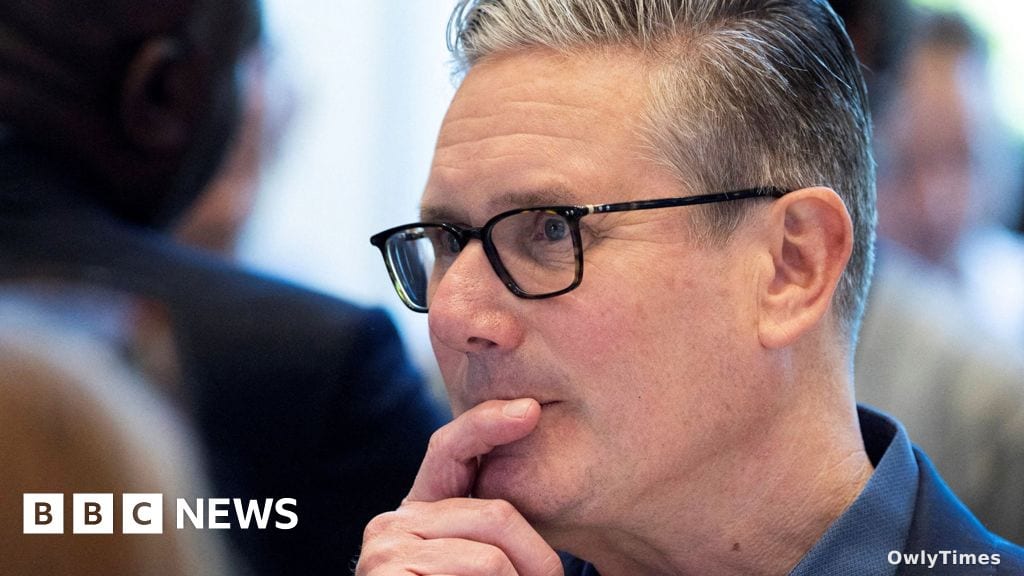

The strategic calculus behind Keir Starmer’s resignation is a calculated gamble to prevent a total electoral collapse by clearing the path for Andy Burnham. By stepping down less than two years into his term, Starmer is attempting to preempt the slow-motion erosion of Labour’s support base, trading his own political survival for a "King of the North" who promises a different, more localized brand of appeal. This move transforms the premiership into a vehicle for damage control, prioritizing the preservation of the party’s majority over the continuity of the current administration’s technocratic mandate.
The Calculus of the "King of the North"
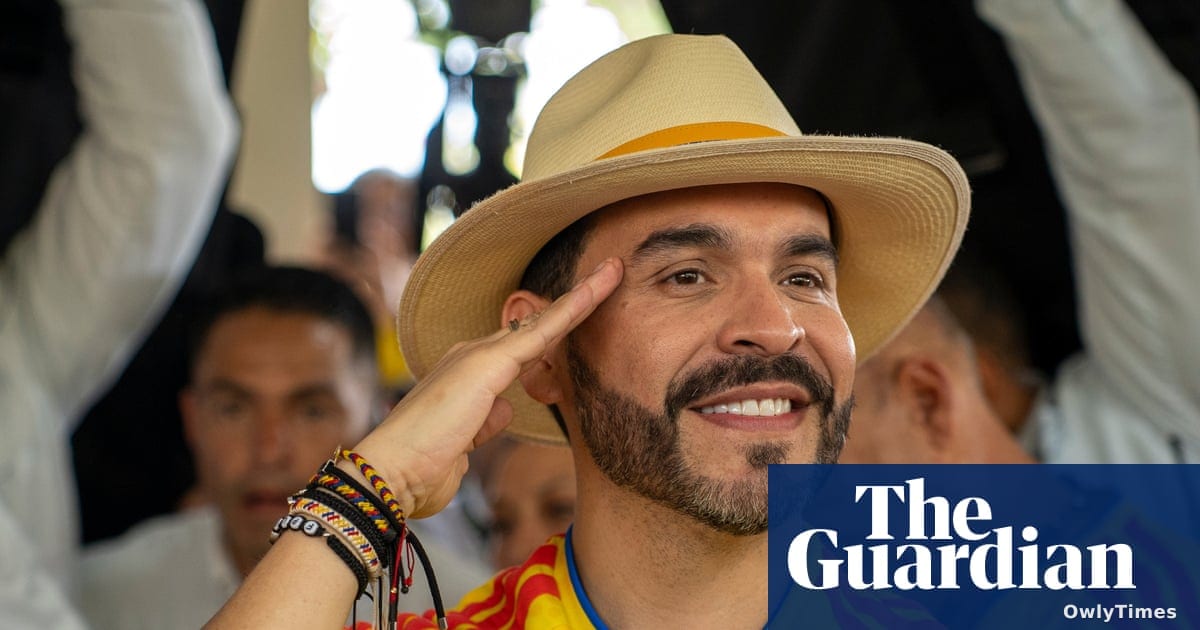
The power dynamics within the Labour Party have shifted decisively toward the former Mayor of Manchester. With Wes Streeting—previously seen as a formidable contender—abandoning his own bid and throwing his weight behind Burnham, the momentum has become nearly impossible to challenge. For Labour, the goal is simple: avoid the internal "naval gazing" that characterized the Jeremy Corbyn years. By coalescing around Burnham, the party aims to bypass a drawn-out summer leadership contest, which supporters like Jo White warn would only serve as a "pointless charade" while the country faces ongoing economic volatility.
Who benefits and who loses in this transition is clear. Burnham stands to gain the ultimate political prize, leveraging his decisive victory in the Makerfield by-election—where he defeated Reform UK by more than 9,000 votes—to argue he is the only candidate capable of holding the "Red Wall." Conversely, the party’s left wing, represented by voices like Nadia Whittome, loses the opportunity to debate policy alternatives. For them, the coronation of a new leader without a formal contest is a retreat from the democratic accountability they believe is necessary to fix the party’s trajectory.
Historical Parallels and the Crisis of Mandate
This transition echoes the frequent, electionless leadership changes that have defined British politics over the last decade. If Burnham ascends to Number 10, he will be the seventh person to hold the office in just ten years. Much like the turnover seen during the height of the 2008 financial crisis or the management of the COVID-19 pandemic, the current shift is driven by a desperate need for stability. However, Burnham faces a unique contradiction: he must govern based on Starmer’s 2024 general election mandate while simultaneously signaling a departure from the very policies that the public has grown dissatisfied with.
Burnham’s rise is being marketed as a rejection of the "rigidness and technocratic approach" that defined the Starmer years. Yet, critics, including the Conservative Party, are already framing him as "Keir Starmer with a Northern accent." The tension is palpable; while Burnham has historically championed regional devolution and civic pride—dubbed "Manchesterism"—his recent shifts on immigration and his distancing from rejoining the European Union suggest he is moving toward the political center to secure his position.
The Immediate Political Chess Move
The immediate hurdle for the Labour Party is the threshold for a formal leadership contest. To force a ballot, candidates like Darren Jones or Al Carns would need to secure 81 backers from the Parliamentary Labour Party. As of now, the "head of steam" behind Burnham suggests that such a tally is unlikely. The political chess move to watch next is the July 16 nomination deadline. If Burnham reaches this date without a viable challenger, the party will move to finalize the transition, effectively insulating the new leader from the scrutiny of a full-scale membership debate and setting the stage for his first policy signals ahead of the next national election, which must be called by 2027.