
Is the future of your phone less about what it can do and more about who it can talk to? That’s the question simmering beneath the surface of Google’s surprisingly persistent AirDrop compatibility for its Pixel 9 and Pixel 10 phones. Everyone fixated on whether Apple would swat it down like a digital fly, and while that threat hasn’t entirely vanished, the real story here isn’t a potential tech war – it’s a quiet admission that the walled garden approach to mobile operating systems is crumbling, and the inconvenience it creates for everyday users is finally outweighing the perceived security benefits.
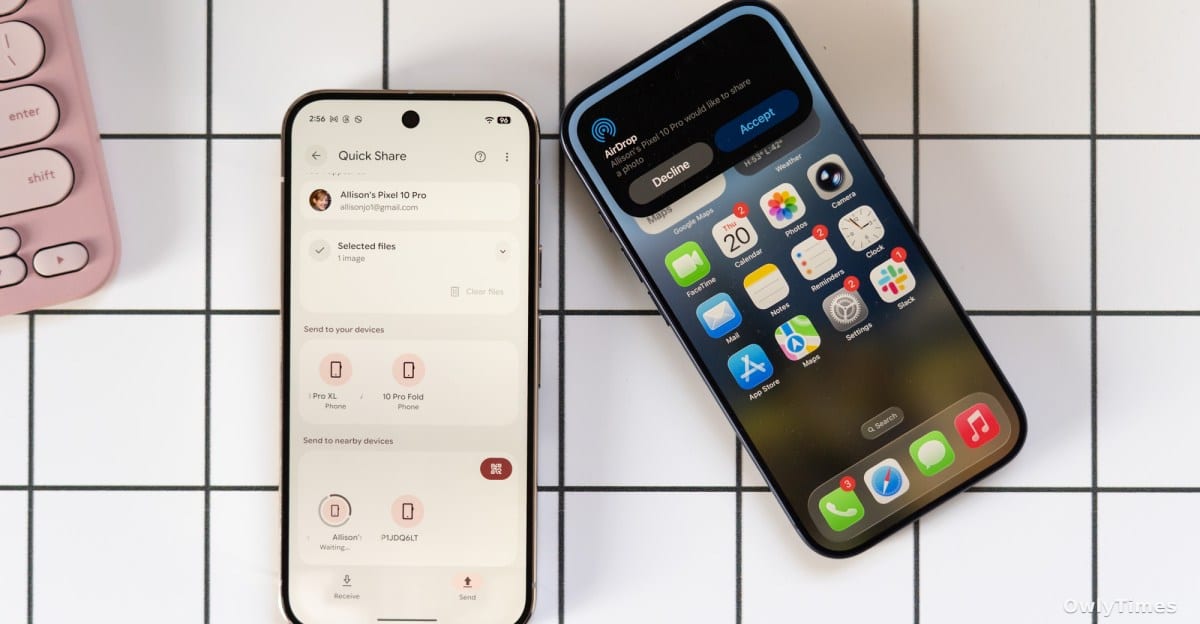
For years, sharing a file between an iPhone and an Android phone felt like navigating a Cold War-era spy exchange. Emailing it to yourself, cloud services, clunky third-party apps – all slow, awkward workarounds. Google’s solution, leveraging the ubiquity of Apple’s AirDrop, is elegantly simple: Pixel phones now present themselves as AirDrop devices to nearby iPhones, iPads, and Macs. The transfer happens seamlessly, appearing as a standard AirDrop request. Allison Johnson at The Verge notes the process requires both devices to be discoverable, with a ten-minute window for connection, but the user experience is dramatically improved. This isn’t about features; it’s about friction. And reducing friction is the key to getting people to actually use the technology they own.
Source material: The Verge.
The fact that this is still working, months after launch, is genuinely surprising. The initial expectation, fueled by years of tech antagonism, was that Apple would deploy a software update to block the workaround. They haven’t. This suggests a calculated risk on Apple’s part. Perhaps they’ve determined the potential PR backlash from actively breaking interoperability outweighs the benefits of maintaining absolute control. Or maybe, just maybe, they’re starting to realize that a more open ecosystem isn’t necessarily a threat. Consider that in 2025, cross-platform device usage grew by 18% according to Statista, indicating a clear consumer demand for seamless connectivity regardless of brand loyalty.
However, there’s a catch, and it highlights the inherent contradictions in Google’s strategy. The AirDrop compatibility is conspicuously absent from the Pixel 9A, the budget-friendly model in the Pixel 9 lineup. Google communications manager Alex Moriconi offered a non-committal “looking forward to improving the experience and expanding it to more Android devices over time” when pressed for an explanation. This isn’t a technical limitation; it’s a deliberate segmentation. Google is effectively saying that convenience is a premium feature, reserved for those willing to pay more. This is a familiar tactic, but it feels particularly tone-deaf in a moment where the narrative is shifting towards user empowerment and open standards. It reinforces the idea that even as companies talk about interoperability, they’re still prioritizing profit margins.
The implications extend beyond Google and Apple. This move puts pressure on other Android manufacturers to find ways to bridge the gap with Apple’s ecosystem. Samsung, Xiaomi, and others will need to respond, either by adopting similar workarounds or by pushing for more standardized cross-platform protocols. The current situation is unsustainable. Consumers shouldn’t have to choose a phone based on the devices their friends and family own. The future isn’t about choosing a side; it’s about seamless connection, regardless of operating system.
Here’s what to watch for: by the end of 2026, I predict we’ll see a significant increase in the number of Android phones offering some form of AirDrop compatibility, even if it’s through third-party apps or custom implementations. But the real test won’t be if they can connect, but how easily. If the experience remains clunky and unreliable, users will simply revert to the old workarounds, and the promise of a truly open mobile ecosystem will remain just that – a promise.