
The Unexpected Role of Optimism in Shaping Public Perception of Science
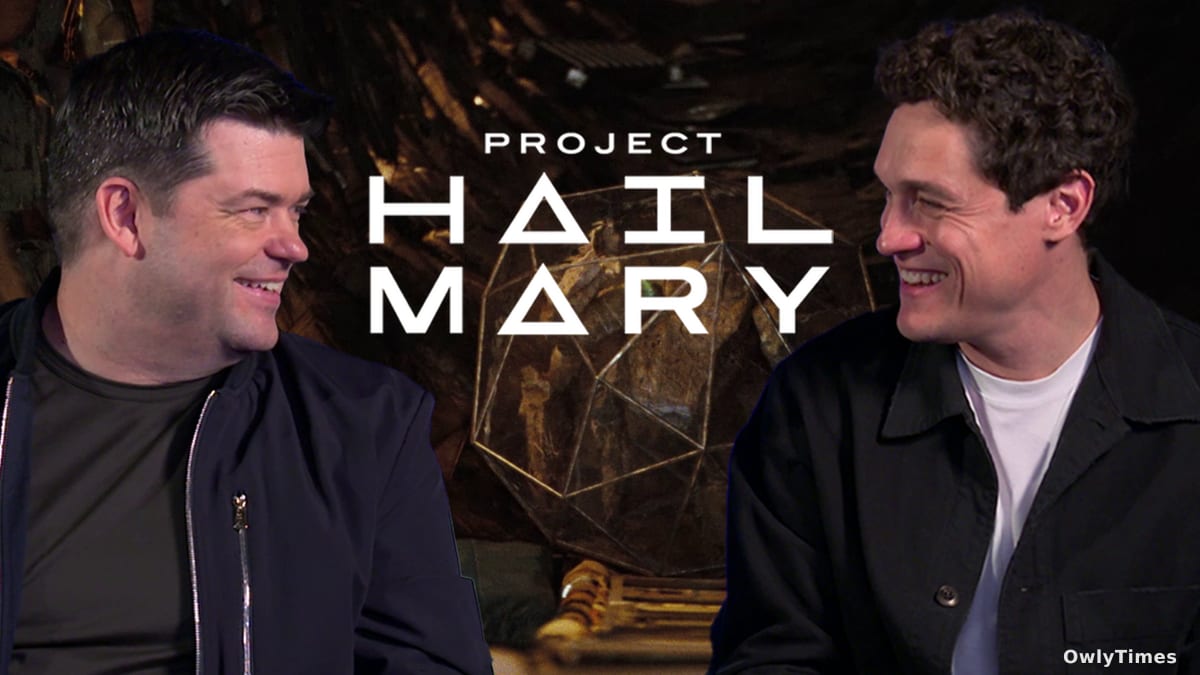
The upcoming film Project Hail Mary, directed by Christopher Miller and Phil Lord, isn’t just another science fiction adaptation; it represents a deliberate counter-current in how science is portrayed to the public. While blockbuster films often lean into dystopian scenarios and cautionary tales about scientific hubris, Project Hail Mary, based on the novel by Andy Weir, actively chooses optimism. This isn’t a simple aesthetic preference for the filmmakers, but a conscious effort to reframe the narrative around scientific endeavor, and it arrives at a particularly crucial moment for science communication. The film, slated for release on March 20, 2026, is being discussed not just for its plot – details of which remain largely under wraps – but for its underlying philosophy.
Reporting from scientificamerican.com informs this analysis.
The choice to focus on “the optimistic side of science,” as Miller articulated to Scientific American’s Brianne Kane during a visit to NASA’s Jet Propulsion Laboratory, is noteworthy. For decades, science fiction has thrived on exploring the potential downsides of technological advancement – think of the anxieties surrounding artificial intelligence or genetic engineering. These narratives, while often compelling, can inadvertently contribute to public skepticism and distrust. The current climate, where scientific consensus on issues like climate change and vaccine efficacy is routinely challenged, underscores the need for stories that highlight science as a solution rather than a problem. This isn’t about ignoring potential risks, but about balancing them with a demonstration of science’s capacity for positive change.
This emphasis on hope is particularly relevant given the current state of science funding and public support in the United States. Scientific American, a publication with a 180-year history of advocating for science, is actively appealing to its readership for support, citing a “critical moment” for the field. The call for subscriptions isn’t merely about maintaining journalistic integrity; it’s about ensuring the resources exist to accurately report on scientific discoveries and to defend the value of scientific inquiry itself. The magazine’s editor implicitly acknowledges a growing need to actively demonstrate why science “matters,” suggesting a public perception gap that needs bridging. The timing of this appeal, coinciding with the buzz around Project Hail Mary, feels less coincidental and more like a strategic alignment.
However, it’s important to avoid equating optimistic portrayal with uncritical acceptance. The film’s success won’t automatically translate into increased public understanding of complex scientific concepts. A hopeful narrative can be engaging, but it must still be grounded in scientific accuracy. The danger lies in oversimplification or the creation of unrealistic expectations. The “handsome scientist” trope, alluded to in the original article, is a prime example – perpetuating stereotypes can inadvertently discourage participation from individuals who don’t fit that mold. The film’s impact will depend on its ability to inspire without sacrificing intellectual honesty.
Looking ahead, the true test of Project Hail Mary’s influence will be whether it sparks a broader conversation about how we communicate science. Will other filmmakers and storytellers follow suit, actively choosing to highlight the potential benefits of scientific research? More importantly, will this shift in narrative translate into increased public engagement with science, both through supporting institutions like Scientific American and by encouraging the next generation to pursue careers in STEM fields? The release date in 2026 provides a clear benchmark: watch for trends in science enrollment numbers and public opinion polls following the film’s premiere to gauge whether a dose of optimism can indeed shift the narrative.





