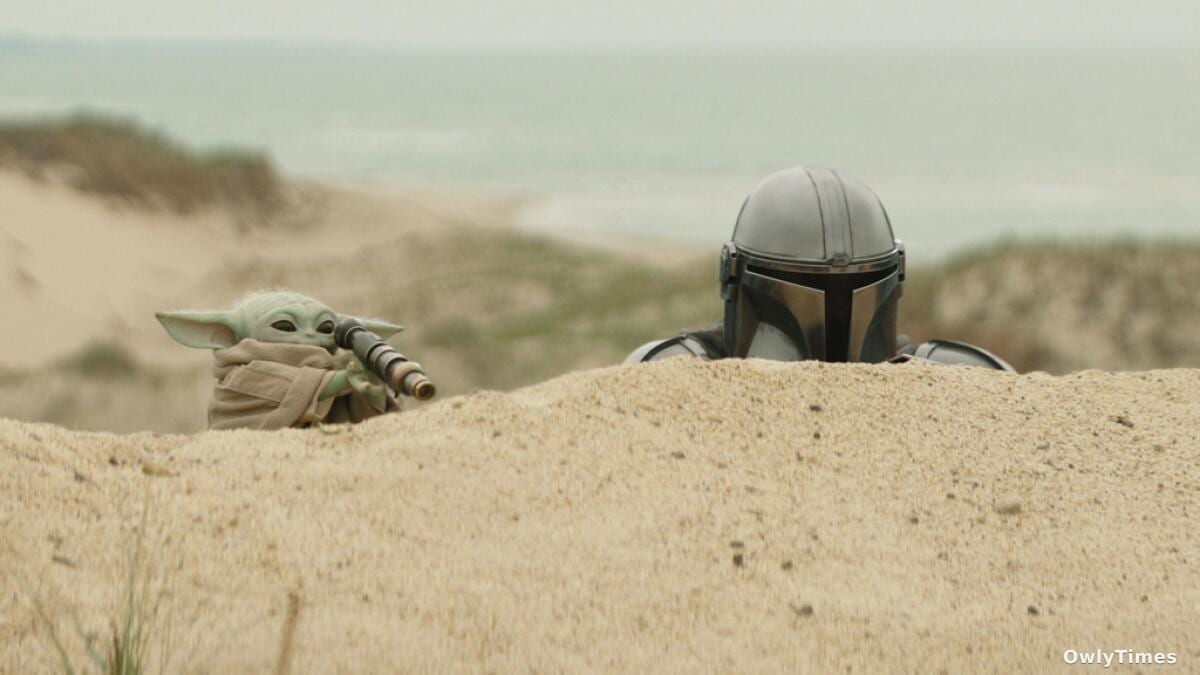

The chipped Formica of the diner booth felt cold under my elbows as I scrolled through the early “Solo: A Star Wars Story” reviews back in 2018. A collective shrug, mostly. A missed opportunity. It wasn’t just the lukewarm reception that stung, though; it was the whispers about why it had fallen so flat. Phil Lord and Christopher Miller, the duo behind “The Lego Movie” and “22 Jump Street,” had been unceremoniously fired mid-production, replaced by Ron Howard. The official line was “creative differences,” but the subtext screamed of a studio unwilling to gamble on a comedic sensibility within the rigid confines of the Star Wars universe. Now, nearly a decade later, Lord and Miller aren’t just back in the director’s chair – they’ve landed a resounding triumph with “Project Hail Mary,” a film that isn’t just good sci-fi, but a pointed reminder of what gets lost when risk-averse thinking dominates Hollywood.
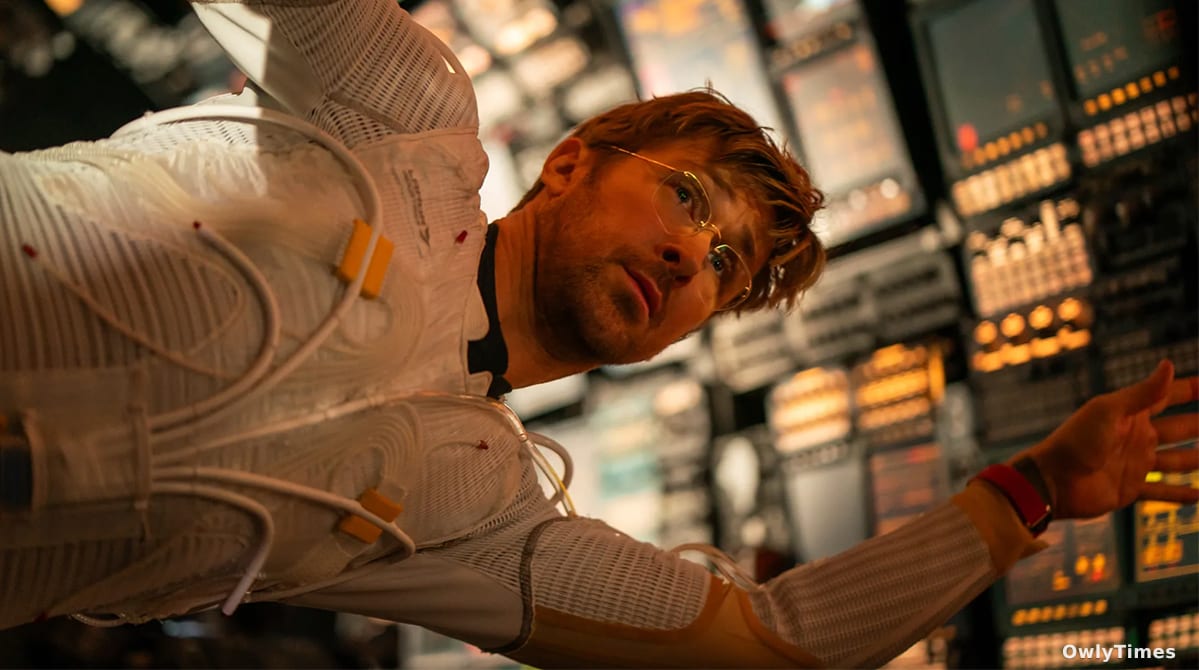
The story itself is classic Weir – the author of “The Martian” again delivers a plausible, high-stakes scenario. Ryan Gosling shines as Ryland Grace, a disgraced molecular biologist thrust into a desperate mission to save Earth from a sun-devouring phenomenon. But the plot, while compelling, isn’t the revelation. What elevates “Project Hail Mary” is the sheer joy of its execution, a playful energy that’s been conspicuously absent from big-budget sci-fi in recent years. The film’s $60 million budget, a relatively modest sum for a space epic, feels strategically deployed, prioritizing practical effects and character development over endless CGI spectacle. Compare that to the $275 million spent on “Solo,” a film that felt strangely…sterile, despite its iconic setting. The difference isn’t just financial; it’s a matter of vision.
“Project Hail Mary” isn’t simply a return to form for Lord and Miller; it’s a case study in the cost of stifled creativity. The “creative differences” with Lucasfilm Ltd. surrounding “Solo” became a cautionary tale, a whispered warning against challenging established formulas. The final cut of “Solo,” which grossed $393.2 million worldwide – a respectable number, but significantly underperforming expectations for a Star Wars film – felt like proof that the studio had played it safe and lost something vital in the process. Lord and Miller’s absence was palpable, a lack of spark that even a director of Ron Howard’s caliber couldn’t fully compensate for. This isn’t about blaming Howard; it’s about recognizing that certain voices are uniquely suited to certain stories, and silencing those voices can have devastating consequences.
The film’s emotional core hinges on an unlikely friendship between Grace and Rocky, an alien engineer from the planet 40 Eridani. This isn’t a story of humans saving the world; it’s a story of two species, facing extinction, finding common ground through science and mutual respect. Lord and Miller’s decision to build Rocky as a practical puppet, rather than relying on CGI, is a masterstroke. The tangible presence of the puppet, operated by a visible puppeteer, fosters a genuine connection between Gosling and his alien counterpart, a warmth that would be impossible to achieve with digital effects. It’s a deliberate rejection of the increasingly isolating aesthetic of modern blockbusters, a reminder that sometimes, the most compelling stories are told through human (and alien) connection.
Source material: mountaintimes.info.
Beyond the thrilling plot and the heartwarming friendship, “Project Hail Mary” offers a quietly optimistic message about collaboration. In a world fractured by political division and scientific skepticism, the film champions the power of shared knowledge and collective action. Sandra Hüller delivers a compelling performance as Eva Stratt, the pragmatic head of Project Hail Mary, a character who embodies the difficult choices required to confront existential threats. Her willingness to prioritize the survival of humanity, even at a moral cost, adds a layer of complexity to the narrative. The film doesn’t shy away from the hard questions, but it ultimately argues that even in the face of overwhelming odds, hope lies in our ability to work together.
“Project Hail Mary” isn’t just a great movie; it’s a cultural moment. It’s a signal to studios that audiences are hungry for originality, for stories that take risks, and for filmmakers who aren’t afraid to challenge the status quo. Will this success embolden studios to give more visionary directors the freedom they need to create truly groundbreaking work? Or will the lessons of “Solo” – and the triumph of “Project Hail Mary” – be conveniently forgotten in the pursuit of guaranteed profits? That’s the question Hollywood needs to answer, and the future of blockbuster filmmaking may depend on it.