
The air still smells faintly of burnt rubber and high-octane fuel as the NASCAR Cup Series rolls into Hampton, Georgia, for Sunday’s Autotrader 400 at EchoPark Speedway. But this isn’t the Atlanta most veterans remember. It’s a track reborn, a testament to NASCAR’s willingness to gamble on radical change – and a potential bellwether for the sport’s future. While Tyler Reddick’s dramatic last-lap victory at the Daytona 500 grabbed headlines, the real story unfolding this season might be how this dramatically altered track, and a return to a more traditional championship format, reshapes the competitive landscape.
Atlanta’s Transformation: More Than Just a Repave
EchoPark Speedway, formerly Atlanta Motor Speedway and before that Atlanta International Raceway, isn’t just a different surface; it’s a fundamentally different racing experience. The 2021 overhaul – steeper banking, a narrower racing surface – was designed to inject chaos and excitement, to move away from the predictable, tire-saving strategies that had begun to define intermediate track racing. And it’s worked, perhaps too well. Last February’s race was a wreck-filled spectacle, a microcosm of the razor-thin margin for error the new configuration demands. Kyle Larson’s aggressive move, squeezing Austin Cindric into the wall, wasn’t an isolated incident; it was a symptom of a track where every lane is contested and every move carries immense risk. This isn’t about driver error as much as it is about a track that actively creates opportunities for contact, forcing drivers to make split-second decisions with potentially devastating consequences. The question isn’t whether there will be wrecks, but when and who will be caught in them.
See the original unionleader.com story for the full account.
The Bellwether Victory and a Format Shift
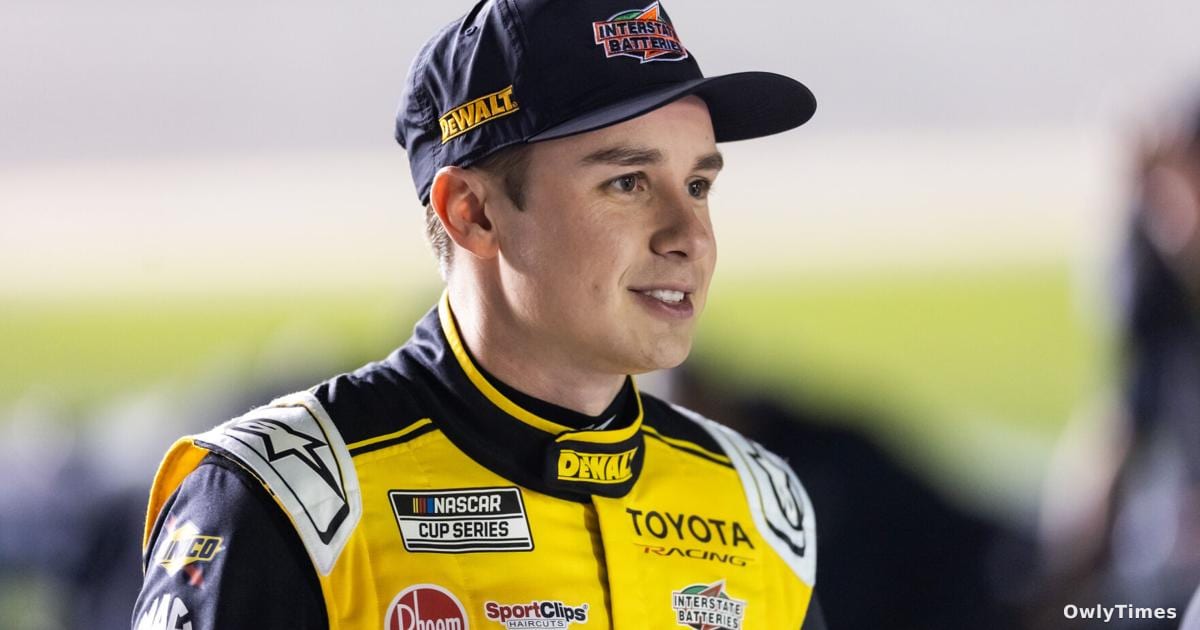
The chaos at Atlanta isn’t just about the track itself. It’s also about the stakes. Christopher Bell’s win at Atlanta last year wasn’t just a victory; it was a catalyst. He followed it up with wins at Circuit of the Americas and Phoenix, demonstrating a momentum that’s rare in NASCAR. This year, however, the context is different. Bell, a 13-time winner, is openly optimistic about the return to a championship format that weighs all races more equally. The previous system, with its emphasis on a single, winner-take-all finale, often felt like a lottery, rewarding a hot streak at the right time rather than consistent performance throughout the season. Bell’s team consistently finished in the top five in points from 2022-2025, a testament to their reliability, but that consistency didn’t always translate into championship success.
“It’s been a love/hate relationship with the way the seasons have turned out,” Bell admitted at Daytona 500 Media Day. “Hopefully, the new format changes will suit our team a little bit better.” He’s not alone in this sentiment. Many drivers and team owners believe the new system rewards sustained excellence, making it harder for a single lucky win to carry a driver all the way to the championship. The fact that Bell won three of the first four races in 2025, only to stumble later in the season, highlights the limitations of the previous format.
Beyond the Headlines: A Search for Stability
The shift in championship format isn’t just about fairness; it’s about addressing a growing concern within the sport: the perception of unpredictability bordering on randomness. NASCAR needs to cultivate a narrative of skill and consistency, to demonstrate that the best drivers and teams are consistently rewarded. The new format is an attempt to do just that, to create a championship story that feels earned, not simply lucky. But it’s a gamble. Will it truly reward consistent performance, or will it simply shift the focus to a different set of variables? Will it make the championship more compelling for fans, or will it dilute the drama of a single, high-stakes race?
The Daytona 500 offered a stark reminder of the inherent volatility of the sport. Bell’s early exit after a wreck with Denny Hamlin underscored the fact that even the most talented drivers can be undone by circumstance. This is the tension at the heart of NASCAR: the delicate balance between skill, strategy, and sheer luck. The new format attempts to mitigate the impact of luck, but it can’t eliminate it entirely.
What’s Next for NASCAR’s New Era?
As the series heads to Atlanta, keep a close eye on how drivers adapt to the track’s unique challenges and how the new championship format influences their strategies. Will drivers be more willing to take risks early in the season, knowing that every race now carries significant weight? Will teams prioritize consistency over outright wins? And perhaps most importantly, will the new format truly reward the teams that demonstrate sustained excellence, or will we see another season of unexpected twists and turns? The Autotrader 400 isn’t just a race; it’s a test case for NASCAR’s future, a crucial data point in the ongoing experiment to build a more compelling and sustainable championship. The industry will be watching closely to see if Atlanta, in its transformed state, can deliver on its promise of thrilling racing and a more equitable championship battle.