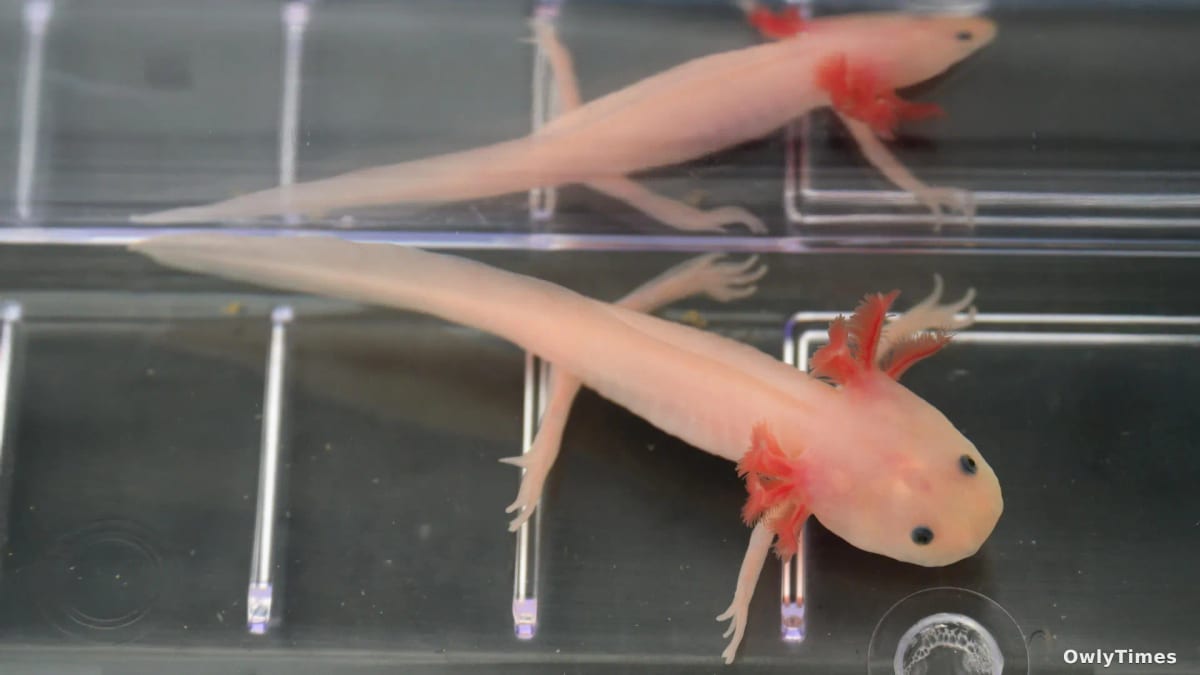

The dream of biological restoration—replacing a missing limb not with cold metal or synthetic polymers, but with one’s own living tissue—has long occupied the space between medical science and science fiction. At the heart of this challenge is a fundamental biological question: Why do certain species possess the innate ability to perfectly reconstruct complex appendages, while humans are relegated to the formation of scar tissue? A recent collaborative effort involving researchers studying axolotls, zebrafish, and mice has moved us closer to an answer by isolating a specific genetic architecture common to these regenerative masters.
Unlocking the SP Gene Network
The research centers on a newly identified cohort of genetic markers dubbed SP genes. These genes act as a regulatory blueprint, orchestrating the cellular choreography required to rebuild bone, muscle, and nerve pathways after an injury. To test the necessity of these markers, the research team employed CRISPR-based interference to disable the SP genes in both salamanders and mice. The result was a stark, uniform failure in tissue development; when these genes were silenced, the animals lost the ability to manage proper bone regrowth. This observation confirms that the SP genes are not merely bystanders in the regenerative process but are essential conductors of the biological recovery sequence.
While headlines may suggest that we are on the verge of human limb regrowth, it is crucial to temper this excitement with a clear understanding of the study’s methodology. The researchers did not regrow a limb in a mammal; rather, they used a gene therapy technique inspired by the biology of zebrafish to stimulate a partial regenerative response in mouse models. This is a significant leap in molecular signaling, but it is a far cry from the complex, multi-tissue integration required for a fully functional human arm or leg. The difference between stimulating bone density and orchestrating the growth of a coordinated, vascularized limb remains a profound scientific chasm.
Limitations of Current Regenerative Models
Scientific progress is often slowed by the sheer complexity of mammalian biology compared to that of amphibians. Limitations to consider include the immune system’s aggressive response to injury in humans, which typically prioritizes rapid wound sealing over the slow, energy-intensive process of regeneration. The study demonstrates that while the genetic "hardware" for regeneration may be present in mice, the regulatory "software" that triggers and sustains this growth is either dormant or suppressed. Even in the successful mouse trials, the restoration was partial, meaning the tissue generated lacked the full structural complexity of the original limb.
Bridging the Gap to Clinical Application
The next phase of this research will focus on the precise temporal activation of these SP genes. Understanding exactly when and how these genes are "switched on" during the early stages of wound healing in zebrafish could provide the roadmap needed to coax human cells into a similar state of development. Scientists are now looking to map the downstream protein interactions that occur immediately after the SP genes are activated. The next reading of these gene expression profiles will reveal whether it is possible to sustain the regenerative signal long enough to rebuild larger, more complex structures without triggering runaway cell growth, which carries the risk of oncogenic mutation.
This work represents a departure from traditional prosthetic-focused medicine, shifting the focus toward internal biological repair. By moving from observational biology to active genetic manipulation, the team has established a proof-of-concept that identifies the SP gene network as the primary target for future therapeutic intervention. Should subsequent studies successfully demonstrate that these genes can be safely activated in larger mammalian models, the potential to move beyond current prosthetic limitations toward bio-regenerative therapy could become a tangible, albeit distant, clinical reality.