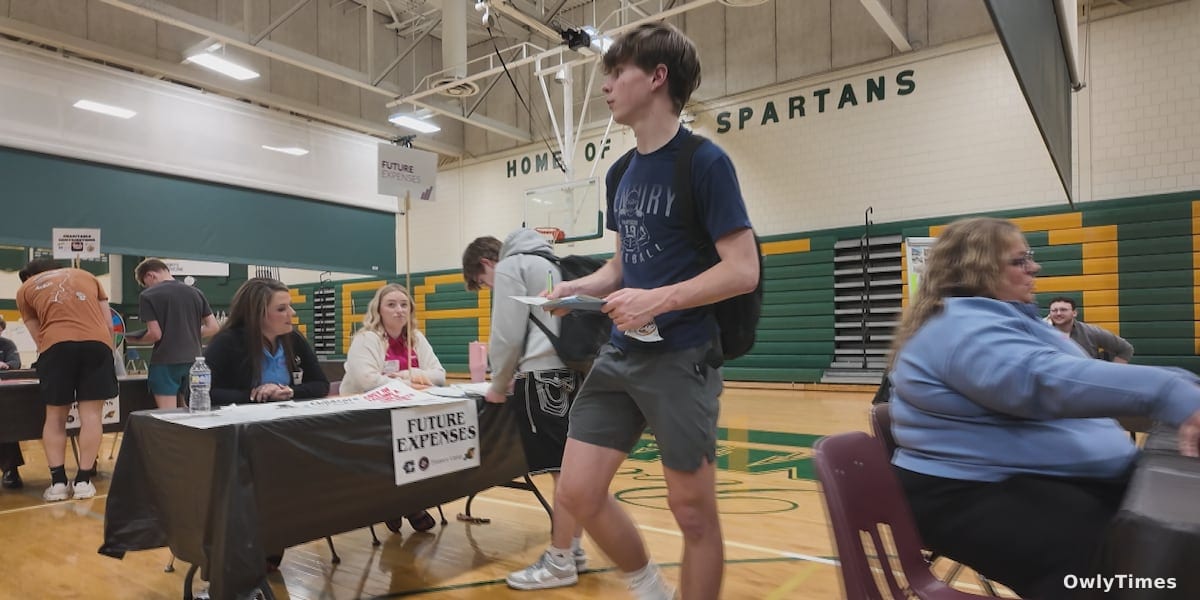

$0 is the starting balance that most students participating in the Rochester Public Schools biannual Finance Camp found themselves staring at after their simulated monthly expenses were tallied. While the exercise is designed as a pedagogical tool, the results highlight a recurring friction between entry-level compensation and the escalating cost of essential living. By forcing students from Century, John Marshall, and Mayo High Schools to reconcile career-path salaries with the current market rates for housing, transportation, and nutrition, the district is quantifying the gap between expectations and economic reality.
The Reality Gap in Entry-Level Forecasting
The mechanics of the program involve students selecting specific career paths to determine their starting salary, which is then immediately tested against a mandatory ledger of life costs. According to Mayo High School teacher James McCormick, the recurring outcome is that students frequently land in "negative money territory." This fiscal deficit is not merely a hypothetical scenario for these students; it serves as a raw indicator of the margin of error available to young professionals entering the workforce in the current economic climate.
Follow the money: when the cost of housing, food, and education outpaces the entry-level salary floor, the secondary consequence is a reliance on labor market expansion—specifically, the necessity of securing a second job. This is the primary corrective mechanism taught during the camp. Rather than adjusting lifestyle expectations, students are forced to confront the structural requirement of increasing their income streams to achieve solvency.
Institutional Support and Community Integration
Executing a simulation of this scale requires significant logistical and financial backing. The event, held at Mayo High School on Wednesday, was sponsored by Think Bank. Beyond the capital contribution, the bank provided dozens of volunteers to facilitate the program, ensuring the students could navigate the complexities of financial decision-making with guidance.
This partnership is essential for bridging the gap between theoretical classroom finance and applied personal economics. By utilizing volunteers from the financial sector, the district provides a bridge for students like John Marshall senior Andre Thrower, who noted that the process serves to "open your eyes" regarding the requirements of independent living. For the students, the takeaway is a clear lesson in the constraints of modern household budgeting.
Navigating the Deficit
The shift from a student budget to an independent financial plan represents one of the most volatile transitions in a young person's economic life. The data derived from these exercises—specifically the frequency with which students end up in a negative net position—provides a measurable signal regarding the sustainability of current entry-level compensation packages.
When participants are forced to pivot toward taking a second job to balance their accounts, it highlights a fundamental tension in the labor market: the disconnect between baseline wage growth and the rising cost of living. The next reading of student feedback and performance in these biannual sessions will show whether the shift toward supplemental income becomes an increasingly accepted standard for the next generation of workers or if it prompts a recalibration of how they view career selection and financial preparedness. As students prepare to graduate, the primary indicator of their future financial health will be their ability to reconcile these simulated deficits with actual market conditions.