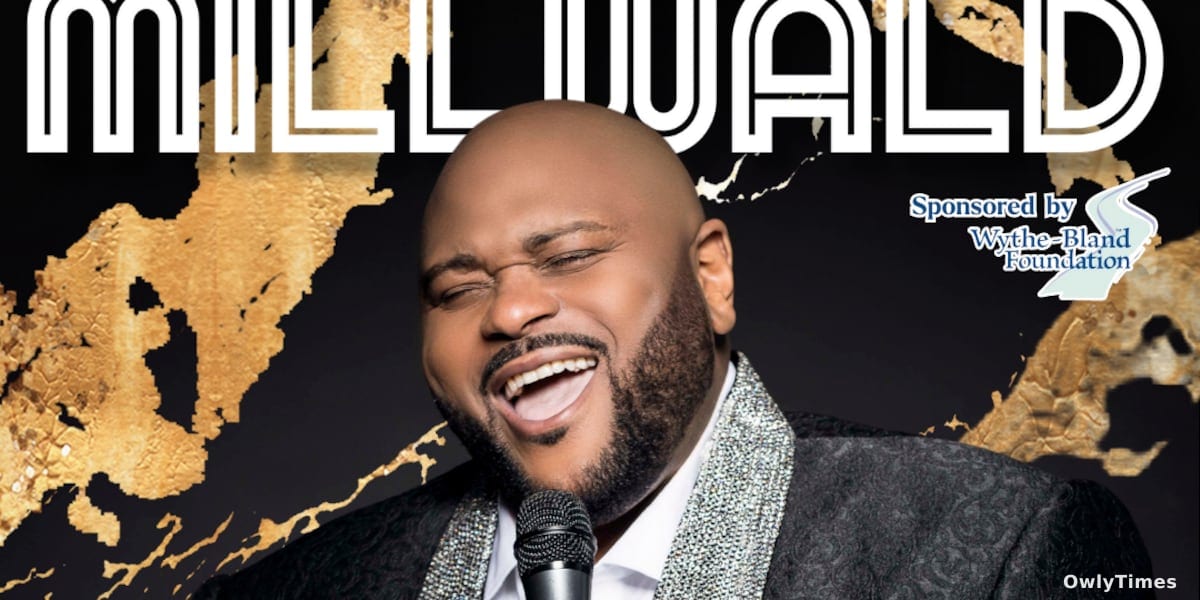

The scent of vinyl hung heavy in the air, even before Ruben Studdard stepped onto the stage at the Millwald Theatre in Wytheville, Virginia. It wasn’t a literal scent, perhaps, but a palpable feeling – a collective remembering of a time when music wasn’t streamed, but experienced, held in your hands, and shared with those around you. For Studdard, the 2003 “American Idol” champion, that feeling isn’t just nostalgia; it’s the core of his continued connection with an audience two decades removed from his initial burst of fame. But his presence in a smaller venue like the Millwald, and his continued focus on community work, speaks to a shift in how we understand success in the post-reality TV landscape, and what it means to build a lasting career beyond the fifteen minutes promised by a singing competition.
From Television Stage to Community Roots
“American Idol” in 2003 was a cultural earthquake. With 38.3 million viewers tuning in for the finale – a number that dwarfs the viewership of most current reality TV shows – Ruben Studdard’s victory wasn’t just a win for the “Velvet Teddy Bear,” it was a moment of mainstream validation for a genre, and a type of performer, often relegated to the margins. He represented a return to classic vocal performance, a counterpoint to the manufactured pop dominating the charts. Yet, the show’s format inherently positioned its stars for a fleeting moment in the sun. Many “Idol” alumni faded quickly, casualties of industry pressures and the relentless churn of new talent. Studdard’s longevity, however, isn’t about chasing chart-topping hits, but about cultivating a relationship with his audience built on shared memory and genuine connection. “I love singing the songs that remind people of nostalgic moments,” he told WDBJ, echoing the sentiment of countless artists who’ve found enduring appeal by leaning into their established catalog.
Reporting from wdbj7.com informs this analysis.
The Unexpected Endurance of Reality TV Friendships
The entertainment industry is notorious for its transactional relationships, but Studdard’s enduring friendship with fellow “Idol” contestant Clay Aiken is a striking anomaly. Their collaborations – a 10th anniversary tour, a Broadway show, and a 20th anniversary tour – aren’t simply career moves; they represent a rare instance of genuine camaraderie surviving the pressures of competition and the demands of the industry. “It’s just been a blessing to have a friend like him,” Studdard said. “Not many people can say they have industry friends that have lasted this long.” This bond is particularly noteworthy given the often-manufactured rivalries promoted by reality television. The narrative of “Idol” often pitted contestants against each other, but Studdard and Aiken’s continued partnership suggests a deeper understanding of the shared experience and the value of mutual support. It’s a quiet rebellion against the industry’s tendency to prioritize conflict over collaboration.
Beyond the Performance: A Legacy of Giving Back
While the spotlight often focuses on the performance, Ruben Studdard’s commitment to the Boys and Girls Club of America reveals a crucial dimension of his post-"Idol" life. He isn’t simply performing for an audience; he’s actively investing in the next generation. As a “club kid” himself, he understands the transformative power of these organizations, and his work with the Ruben Studdard Foundation, offering scholarships for aspiring music majors, demonstrates a dedication to providing opportunities for others. This pivot towards philanthropy isn’t surprising. The initial wave of reality TV stars were often criticized for a perceived lack of substance, but many, like Studdard, are now using their platforms to address social issues and give back to their communities. This shift reflects a growing expectation that public figures will leverage their influence for positive change.
The Future of the "Idol" Model
Ruben Studdard’s career trajectory isn’t a blueprint for overnight success, but a case study in sustainable artistry. He’s navigated the treacherous waters of the entertainment industry not by chasing trends, but by staying true to his roots and prioritizing genuine connection. As “American Idol” prepares for its next chapter, and as new reality TV formats emerge, the question isn’t just who will win the next competition, but who will build a lasting legacy after the cameras stop rolling. Will future stars prioritize community engagement and authentic relationships, or will they succumb to the pressures of fleeting fame? The answer, and the future of the “Idol” model, may well depend on whether they follow the path forged by the “Velvet Teddy Bear” – a path that leads not just to the stage, but back to the community that nurtured him.