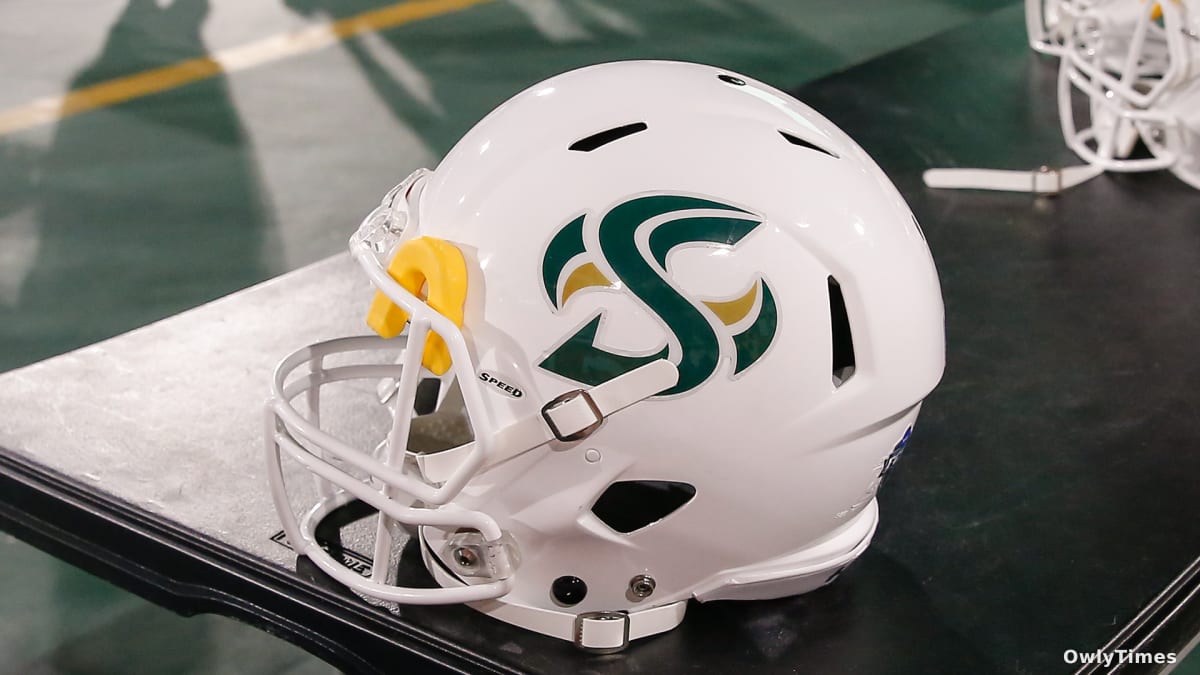

The air in Sacramento crackled with a manufactured excitement last month, a carefully curated optimism radiating from California State University, Sacramento. President J Luke Wood’s social media feed exploded with projections: a $975 million economic impact over five years, a $675 million surge in national broadcast valuation, $46 million in game day revenue. The announcement of the Hornets’ move to the Mid-American Conference felt less like a strategic realignment and more like a lottery win declared before anyone checked the numbers. But beneath the celebratory pronouncements, a quiet dissonance was growing, a sense that the promised windfall might be built on a foundation of optimistic accounting and, frankly, wishful thinking. This isn’t just a story about a university joining a new conference; it’s a case study in how institutions can oversell ambition, and the potential consequences when the reality doesn’t match the hype.
The rush to FBS football, and the MAC in particular, wasn’t born of a sudden surge in athletic prowess. It was, according to sources, a matter of opportunity seizing a moment of desperation. Sac State had been rebuffed in its pursuit of Conference USA and found itself facing a 2026 season as an FCS independent, a precarious position for a program aiming for bigger things. The MAC offered a lifeline, but the speed of the transition – and the accompanying economic projections – raised immediate red flags. The core issue isn’t whether the move could be beneficial, but whether the numbers being presented to the public accurately reflect the likely outcome. It speaks to a broader trend in college athletics: the pressure to demonstrate growth, even when the path to that growth is murky and reliant on increasingly shaky assumptions.
The discrepancies began to surface almost immediately. Russell Wright, CEO of Collegiate Consulting, the firm Sac State hired to assess the economic impact, publicly questioned the school’s extrapolation of his data. He was unaware his initial report, focused on the current economic impact of FCS football, had been stretched into a five-year projection of nearly a billion dollars. “I don’t think that’s right,” Wright told CBS Sports. “That’s not anywhere in our report, so I 100% question that.” The $675 million broadcast valuation figure was even more baffling, with Wright stating it simply wasn’t included in his analysis. This isn’t a minor disagreement over methodology; it’s a fundamental disconnect between the data provided and the narrative being sold. The school’s initial economic impact averaged $62 million per year, a far cry from the $194.4 million projected for FBS play, a jump fueled by a 1,312% increase in broadcast exposure – a figure now under intense scrutiny.
This article draws on reporting from CBS Sports.
The problem isn’t just inflated numbers; it’s the lack of transparency surrounding their origins. The university’s athletic director, Mark Orr, initially engaged with CBS Sports but became unavailable when pressed for clarification on the discrepancies. Dr. Wood didn’t respond to multiple requests for comment. This silence speaks volumes, suggesting a reluctance to defend the projections or acknowledge the potential for overestimation. The study itself, obtained by CBS Sports, relies heavily on assumptions, particularly regarding television ratings. It extrapolates from the viewership of games involving Toledo, Central Michigan, and Western Michigan, applying those figures to Sacramento State with little consideration for regional differences, team performance, or the evolving media landscape. A revised analysis by Collegiate Consulting, after CBS Sports presented its findings, lowered the broadcast exposure impact to a range of $81 million to $108.1 million – still a significant sum, but a far cry from the original $120 million, and a world away from the $675 million initially touted.
Beyond the headline numbers, a more sobering reality is taking shape. Sac State will forgo revenue distribution from the MAC for five years and shoulder the burden of opponent travel costs, estimated at around $800,000 annually. The move will require a significant financial investment, including a $5 million NCAA fee and $18 million paid to the MAC. While administrators claim these costs will be covered by private donations and external funds, the long-term financial sustainability of the program remains uncertain. The timing of the announcement, following a shift of other Sac State sports to the Big West and a failed attempt to secure a waiver for independent FBS play, adds another layer of complexity. The university appears to have been scrambling for a conference affiliation, and the MAC, while offering a path forward, may not be the golden ticket it was initially portrayed to be. The question now isn’t just whether Sac State can succeed in the MAC, but whether the university accurately accounted for the costs and benefits of this ambitious leap.
This situation isn’t unique to Sacramento State. It’s a symptom of a larger crisis in college athletics, where institutions are increasingly desperate to demonstrate growth and relevance in a rapidly changing landscape. The pressure to climb the ranks, fueled by television revenue and donor expectations, often leads to unrealistic projections and questionable financial decisions. The Sac State case serves as a cautionary tale, a reminder that ambition must be tempered with realism and transparency. As other universities consider similar moves, they should heed this lesson: a compelling narrative is no substitute for sound financial planning and a clear understanding of the risks involved. Will Sacramento State’s gamble pay off? Or will it become a case study in the perils of overpromising and underdelivering, leaving the Hornets grounded before they even take flight? That’s the question everyone in college athletics will be watching closely.

