
If a sandwich chain feels the need to mention "artificial intelligence" 22 times in its IPO filing, is the tech bubble finally bursting or just losing its grip on reality? We’ve reached a point where even a company selling cold cuts and shredded lettuce feels compelled to sprinkle "AI dust" on its prospectus to satisfy investor appetites. The real story here isn't the mechanics of a hoagie shop going public—it’s the desperate, performative theater that companies now feel required to play to secure a valuation in a market obsessed with silicon over sustenance.
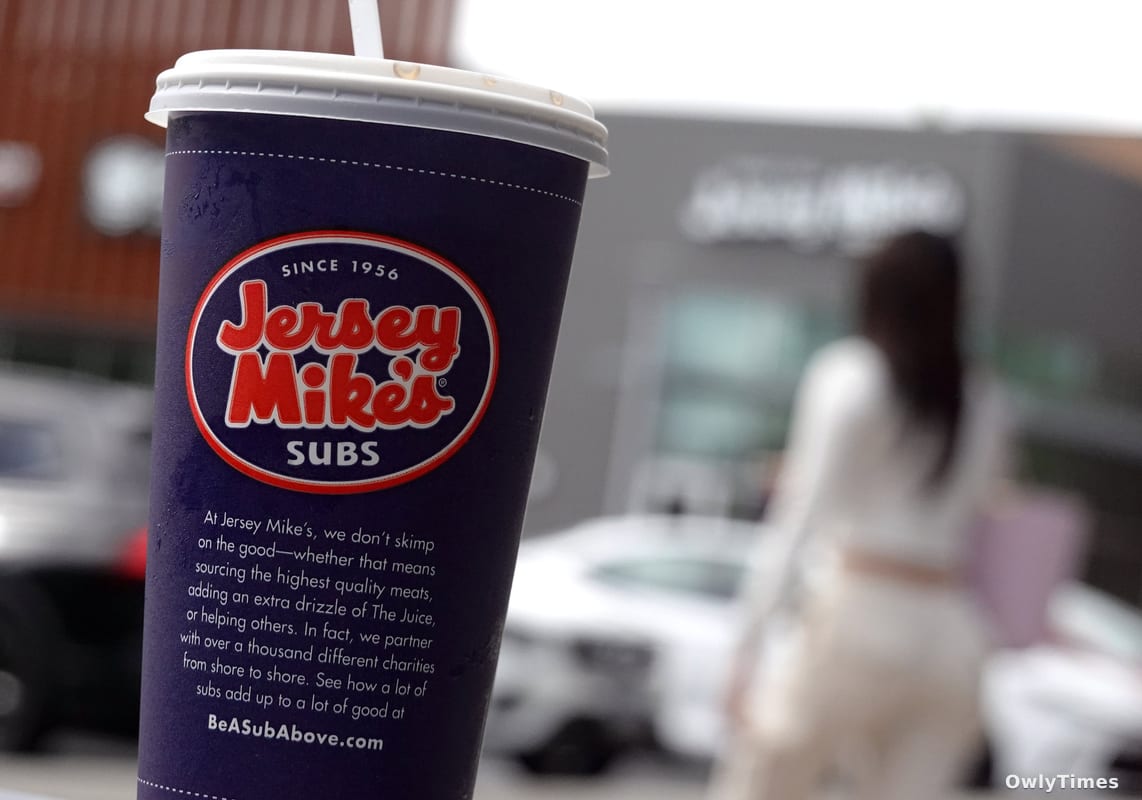
Jersey Mike’s officially filed for an initial public offering on Thursday, intending to trade on the New York Stock Exchange under the ticker JMKE, according to CNBC. The chain, which has grown to nearly 3,300 locations, reported net income of $55 million on $724 million in revenue for last year. While the filing highlights a cumulative 50% increase in same-store sales between 2020 and 2025, the company is entering a market that remains skeptical of the broader restaurant sector, where consumer spending has been tightening for two years.
The valuation expectations for this move vary significantly depending on who you ask. While CNBC notes that Blackstone acquired a majority stake in the company in a deal that valued the chain at roughly $8 billion, MarketWatch reports that the company is now seeking a minimum $12 billion valuation. This discrepancy is a reminder that in the current IPO environment—which is still shaking off the post-SpaceX excitement—the difference between a legacy business and a "growth" play often comes down to how much investor enthusiasm a company can manufacture.
This is where the AI narrative becomes particularly absurd. As TechCrunch points out, Jersey Mike’s included boilerplate risk warnings about its use of AI technologies in its S-1 filing, despite being a company that primarily manages franchise royalties and advertising fees. It is a classic case of corporate "security theater"; just as an office building might install a fake security camera to deter shoplifters, companies are now adding "AI" to their risk factors to deter investors from thinking they are technologically obsolete. It is a hollow gesture, especially when the company mentions "data" 112 times and "software" 52 times—the actual engines of their logistics—while AI remains a vague, undefined risk.
For the ordinary user, this shift is more than just a funny footnote in a financial document. It signals a shift in how we value physical services. When a company that relies on the hard labor of slicing meat and cheese has to pretend it is a software entity, it suggests that the traditional metrics of profit and customer satisfaction are no longer enough to win the hearts of Wall Street. We are effectively being asked to believe that a sandwich is more valuable if it is perceived as an "AI-adjacent" asset.
If the recent, messy history of the restaurant industry is any guide, this strategy might be short-lived. TechCrunch rightly highlights the failure of Starbucks’ recent AI inventory tools, which were scrapped after failing to perform basic counting tasks. I predict that we will see a sharp reversal in these filings within the next two quarters; as soon as a major, non-tech firm faces a regulatory inquiry for "AI-washing" its S-1, the buzzwords will vanish from the prospectus of every company that doesn't actually employ a single machine-learning engineer.